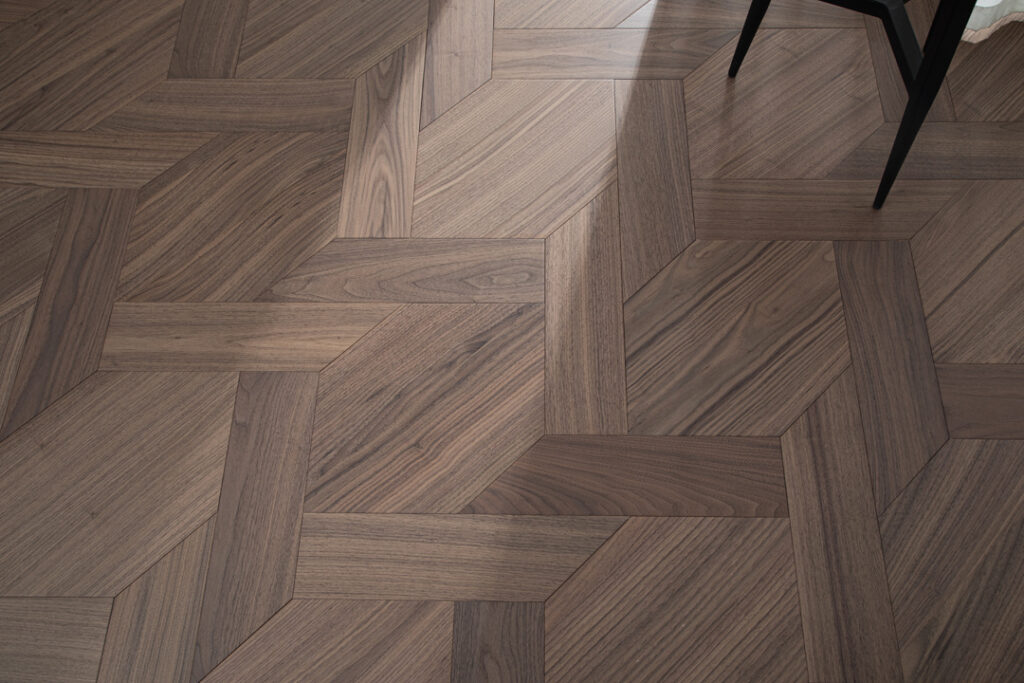
Custom parquet flooring offers unparalleled design potential for commercial and residential projects. For global B2B buyers, understanding the Minimum Order Quantity (MOQ) requirements from Chinese manufacturers is a crucial step in the sourcing process. Navigating these requirements effectively can open the door to cost-effective, high-quality custom flooring solutions.
This article will demystify MOQ for custom parquet from China, providing you with the knowledge to plan your procurement strategy efficiently. We will explore negotiation tactics, the relationship between quantity and cost, and how logistics influence your order decisions.
Understanding the nuances of MOQ can transform it from a barrier into a strategic tool for optimizing your flooring project’s value and uniqueness.
Table of Contents
1.What is the typical MOQ for custom parquet from China?
2.Can I negotiate lower MOQs for custom pattern parquet sample orders?
3.How does MOQ affect pricing per square meter for Chinese parquet?
4.Do factories offer mixed pattern designs within a single MOQ?
5.What’s the typical container load capacity for custom parquet flooring?
What is the typical MOQ for custom parquet from China?
The typical MOQ for custom parquet flooring from Chinese manufacturers generally ranges from 200 to 500 square meters. This baseline exists because setting up production for a unique design requires specific machine calibrations, material preparation, and skilled labor, which manufacturers must offset against the total order value.
Several key factors influence where a specific factory sets its MOQ. Remett Floor, as an industry partner, identifies the following variables:
Design Complexity: Intricate patterns like herringbone or chevron often command a higher MOQ than simpler designs due to more labor-intensive installation and manufacturing.
Material Selection: Exotic wood species or engineered compositions with special treatments may have higher minimums.
Factory Capability and Scale: Larger manufacturers might have higher baseline MOQs, while smaller, specialized workshops could offer more flexibility for niche projects.
For B2B clients, the key is to view MOQ not just as a number, but as a reflection of the production process’s complexity. A clear and detailed project brief helps suppliers provide the most accurate and feasible MOQ.
Can I negotiate lower MOQs for custom pattern parquet sample orders?
Yes, negotiating lower MOQs for sample orders is often possible with a strategic approach. Factories are typically more flexible for initial sample runs, especially when they see potential for a long-term partnership or a substantial future order.
Successful negotiation hinges on clear communication and demonstrating professionalism. Here are effective strategies for B2B buyers:
Express Long-Term Intent: Clearly communicate your project pipeline and potential for repeat business.
Be Flexible on Pricing: Understand and be willing to pay a premium per square meter for a small sample order that falls below the standard MOQ.
Provide Detailed Specifications: Submitting comprehensive technical files, including detailed CAD drawings and material specifications, reduces uncertainty for the manufacturer.
Share Development Costs: For highly unique designs requiring new molds or tooling, offering to share a portion of the setup cost can significantly lower the MOQ hurdle.
Remett Floor often facilitates such discussions, helping partners establish mutually beneficial terms. A successful sample order builds trust and serves as the foundation for a strong supplier relationship, often leading to more favorable conditions for bulk orders.
How does MOQ affect pricing per square meter for Chinese parquet?
MOQ has a direct and inverse relationship with the pricing per square meter for custom parquet. Essentially, a higher order quantity allows the manufacturer to distribute fixed costs (like setup, tooling, and labor) over more units, thereby reducing the cost per unit.
While specific price lists are dynamic, the underlying principle is universal: volume brings efficiency. The price reduction is not always linear; there are often tiered pricing brackets. For instance, the most significant price drop might occur between the 500-1,000 sqm bracket, with smaller reductions at higher volumes.
For B2B procurement planning, it’s crucial to analyze your total project budget and volume requirements. Consider consolidating orders for multiple projects or exploring if a slightly higher quantity aligns with a more advantageous pricing tier, ultimately offering better overall value. Remett Floor assists clients in performing this cost-benefit analysis to find the optimal balance between quantity and price.
Do factories offer mixed pattern designs within a single MOQ?
Many Chinese factories do offer the flexibility of mixing different pattern designs within a single MOQ, a significant advantage for projects requiring varied aesthetics. This is often part of their ODM/OEM services.
However, this flexibility usually comes with specific conditions to maintain production efficiency. Key considerations include:
Maintaining Total MOQ: The combined square meterage of all different patterns must still meet the factory’s overall MOQ requirement.
Minimum Run per Design: Each unique pattern within the mixed order may have its own mini-MOQ (e.g., 50-100 sqm) to make the production run viable.
Potential Price Adjustment: Managing multiple designs in one batch can add complexity to production scheduling and material handling, which might marginally affect the final price.
For buyers looking to achieve design variety without committing to a full MOQ for each pattern, this mixed-design approach is an excellent solution. Remett Floor helps clients navigate these factory requirements to create customized, multi-pattern orders efficiently.
What’s the typical container load capacity for custom parquet flooring?
Understanding container load capacity is vital for international B2B buyers as it directly impacts shipping costs and order logistics. Optimizing your order quantity to fit container dimensions can lead to substantial logistical savings.
The two most common container types and their approximate capacities for parquet flooring are:
20-Foot Container (20GP): Has a usable volume of about 28-30 cubic meters and can typically hold approximately 70-80 cubic meters of packaged parquet flooring (due to stacking and palletization).
40-Foot High-Cube Container (40HQ): With a usable volume of about 76-78 cubic meters, it can typically hold around 140-150 cubic meters of packaged flooring.
The exact quantity in square meters depends on the packaging specifications—box dimensions, pallet configuration, and the thickness of the flooring itself. Remett Floor provides detailed packing lists to help clients calculate the exact fit. A strategic procurement plan often involves adjusting the MOQ to achieve a full container load (FCL), which minimizes shipping costs per square meter and simplifies logistics.
Conclusion
Navigating the MOQ for custom parquet flooring from China is a fundamental aspect of successful B2B procurement. By understanding the industry standards, employing smart negotiation tactics for samples, leveraging the link between quantity and cost, and aligning your order with logistical optimizations like container loads, you can effectively manage your project’s requirements.
MOQ should be seen not as a restriction, but as a parameter around which to build a efficient and high-value sourcing strategy. Partnering with a reliable supplier like Remett Floor ensures you have the expertise to make informed decisions, from the initial sample to the final container load.
Are you ready to discuss your specific custom parquet project and find an MOQ solution that fits your business needs?