
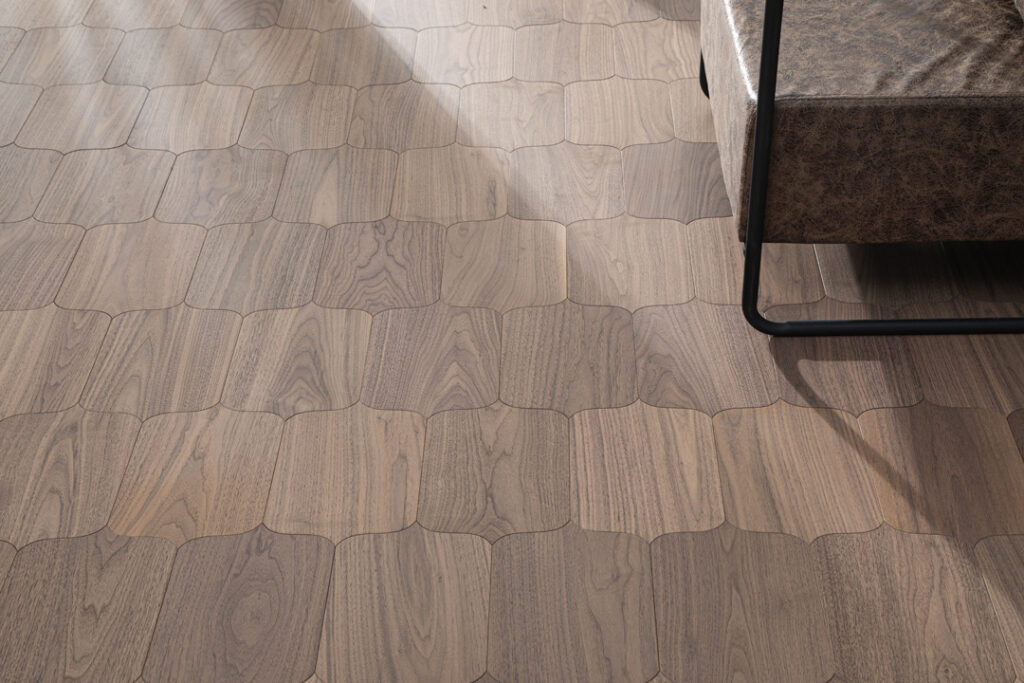
Selecting the right surface treatment enhances both aesthetics and performance, ensuring your parquet flooring maintains its beauty while withstanding specific environmental challenges.
The surface treatment applied to parquet flooring serves as both protective barrier and aesthetic enhancer, significantly influencing durability, maintenance requirements, and visual characteristics. Chinese manufacturers offer diverse finishing technologies that cater to different market preferences and performance requirements across global markets. For B2B buyers, understanding these options enables specification decisions that align with end-user expectations regarding appearance, feel underfoot, and long-term performance in various residential and commercial environments.
Modern surface treatment technologies have evolved beyond basic protection to offer specialized properties including enhanced scratch resistance, simplified maintenance, and specific visual effects. By examining available treatment options within the context of technical performance and market preferences, importers can select finishes that deliver optimal value for their specific application scenarios and target customer segments.
Table of Contents
1.Which finishes (oil/lacquer/wax) are most durable for European use?
2.Can suppliers match a specific color from my parquet sample?
3.Is there extra cost for UV-resistant parquet surface treatments?
4.How do I verify surface treatment quality before production?
1. Which finishes (oil/lacquer/wax) are most durable for European use?
Selecting the most durable surface finish for European applications requires understanding how different treatments perform under specific usage conditions and maintenance practices prevalent in the region.
Finish Performance Comparison
European markets demonstrate distinct preferences for surface treatments, with each type offering particular advantages for different usage scenarios. UV-cured lacquers provide the highest resistance to wear, stains, and moisture, making them ideal for commercial applications and high-traffic residential areas. Modern formulations achieve natural-looking results while maintaining robust protection, with typical durability spanning 8-12 years before recoating becomes necessary. Hardwax oil finishes penetrate deeper into the wood, creating a warm, natural feel while offering good repairability for localized damage. While slightly less resistant to standing moisture than lacquers, they typically withstand 5-7 years of residential use before requiring refreshment. Natural oil finishes deliver the most authentic wood tactile experience and simplest spot repairs, though they demand more frequent maintenance (typically every 1-2 years) to maintain protection. Hybrid formulations combining oil and polyurethane elements have gained popularity, balancing natural appearance with enhanced durability.
Technical Considerations for European Conditions
Several region-specific factors influence finish selection for European markets. Underfloor heating compatibility requires finishes with sufficient elasticity to withstand temperature fluctuations without cracking. Climate adaptation needs consideration, with northern European conditions favoring enhanced moisture resistance while Mediterranean regions may prioritize UV resistance. Maintenance culture varies across markets, with some regions preferring low-maintenance lacquers while others value the repairability of oil systems. Environmental regulations increasingly influence finish selection, with low-VOC and natural formulations gaining preference in sustainability-focused markets. Remett Floor guides clients toward optimal finish selection based on their specific target markets and usage scenarios, ensuring balanced performance across aesthetic, functional, and maintenance considerations.
2. Can suppliers match a specific color from my parquet sample?
Color matching represents a specialized capability within parquet manufacturing, with technical feasibility depending on both the desired color characteristics and the production processes involved.
Color Matching Technical Process
Successful color reproduction involves multiple technical stages requiring specialized expertise and equipment. Sample analysis begins with examination under standardized lighting conditions to determine base color characteristics and undertones. Formulation development creates custom stain recipes that account for the specific wood species’ absorption characteristics and natural color variations. Production testing applies proposed formulations to identical wood substrates, with iterative adjustments until color matching achieves acceptable tolerances. Batch consistency controls ensure color uniformity across full production runs, accounting for natural wood variation through careful material selection and application controls. The most accurate color matching typically achieves ΔE values below 2.0 in standardized color measurement systems, representing a color difference virtually imperceptible to the human eye under normal viewing conditions.
Practical Implementation Considerations
Several practical factors influence color matching feasibility and outcomes in production environments. Wood species characteristics significantly impact results, with open-grained woods like oak offering different staining results than close-grained species like maple. Production method limitations vary between manual wiping techniques and automated spray systems, each offering different color effect possibilities. Minimum order requirements typically apply for custom color development, as the process involves specialized labor and material dedication. Natural wood variation means perfect uniformity remains impossible, with professional matching focusing on achieving consistent overall appearance rather than absolute perfection across every plank. Remett Floor maintains advanced color matching capabilities with dedicated technicians and standardized processes, achieving consistent color reproduction while managing client expectations regarding natural material characteristics.
3. Is there extra cost for UV-resistant parquet surface treatments?
UV-resistant treatments typically involve additional costs compared to standard finishes, though the premium varies according to the specific technology employed and performance level required.
Cost Structure Analysis
The pricing differential for UV-resistant treatments reflects several technical and material factors. Raw material costs for specialized UV inhibitors and stabilizers typically exceed those for standard finish components, adding 5-15% to material costs depending on formulation requirements. Production process requirements may involve additional application stages or specialized curing equipment, increasing manufacturing overhead allocation. Quality validation expenses include accelerated weathering tests and colorfastness measurements not routinely conducted for standard finishes. Certification costs may apply when independent verification of UV resistance claims is required for specific market positioning. For most production scenarios, UV-resistant treatments command a premium of 8-20% over equivalent standard finishes, with the specific percentage influenced by order volume, wood species characteristics, and performance requirements.
Value Proposition Evaluation
The cost-benefit analysis of UV-resistant treatments depends on specific application requirements and market expectations. Color retention enhancement significantly reduces fading from sunlight exposure, particularly valuable for areas with large windows or specific architectural features. Surface integrity protection helps maintain finish flexibility and adhesion despite UV degradation, extending recoating intervals. Market positioning value supports premium positioning in regions with high sunlight exposure or discerning consumer expectations regarding longevity. Warranty considerations often feature enhanced terms for UV-resistant treatments, providing additional value through reduced long-term maintenance liabilities. Remett Floor provides transparent costing for UV-resistant options while helping clients evaluate the return on investment based on their specific application environments and product positioning strategies.
4. How do I verify surface treatment quality before production?
Implementing robust quality verification protocols for surface treatments ensures consistent results that meet performance expectations and compliance requirements.
Verification Methodology
Effective surface treatment assessment employs multiple complementary approaches throughout the production process. Pre-production testing evaluates finish formulations on representative wood samples, conducting adhesion tests, hardness measurements, and chemical resistance assessments according to international standards. Production process auditing examines application equipment calibration, environmental controls, and curing parameter maintenance to ensure consistent treatment implementation. Finished product validation employs both destructive and non-destructive testing methods, including cross-cut adhesion tests, scratch resistance measurements, and moisture barrier effectiveness verification. Accelerated aging simulations subject samples to concentrated UV exposure, thermal cycling, and wear simulation to predict long-term performance under actual use conditions.
Practical Quality Assurance Implementation
Implementing feasible quality verification requires balancing thoroughness with practical production constraints. Reference sample approval before full production ensures all parties agree on expected results, providing a physical benchmark for quality assessment. Production batch testing should verify critical parameters including film thickness, hardness, and complete curing. Third-party certification from recognized testing laboratories provides objective validation of performance claims, particularly valuable for technical specifications. Factory audit programs assess the consistency of application processes and quality control systems behind surface treatment implementation. Remett Floor maintains comprehensive quality verification protocols for surface treatments, with documented testing procedures and regular third-party validation ensuring consistent performance across production batches and compliance with international standards.
Conclusion
Selecting appropriate surface treatments for parquet flooring involves balancing aesthetic preferences, performance requirements, and economic considerations to arrive at optimal solutions for specific market applications. The most successful treatment decisions acknowledge both immediate visual impact and long-term performance characteristics, recognizing that surface finish significantly influences customer satisfaction throughout the product lifecycle. Understanding the technical capabilities and limitations of different treatment options enables more nuanced specification decisions aligned with specific usage scenarios and market expectations.
Remett Floor’s expertise in surface treatment technologies supports clients in navigating finish selection, providing data-driven recommendations that balance aesthetic goals with performance requirements and budget parameters. Our comprehensive quality assurance protocols ensure consistent treatment application that delivers expected performance across diverse environmental conditions and usage patterns.
Are you seeking a parquet partner with the technical expertise to guide your surface treatment selection while ensuring consistent quality implementation?