
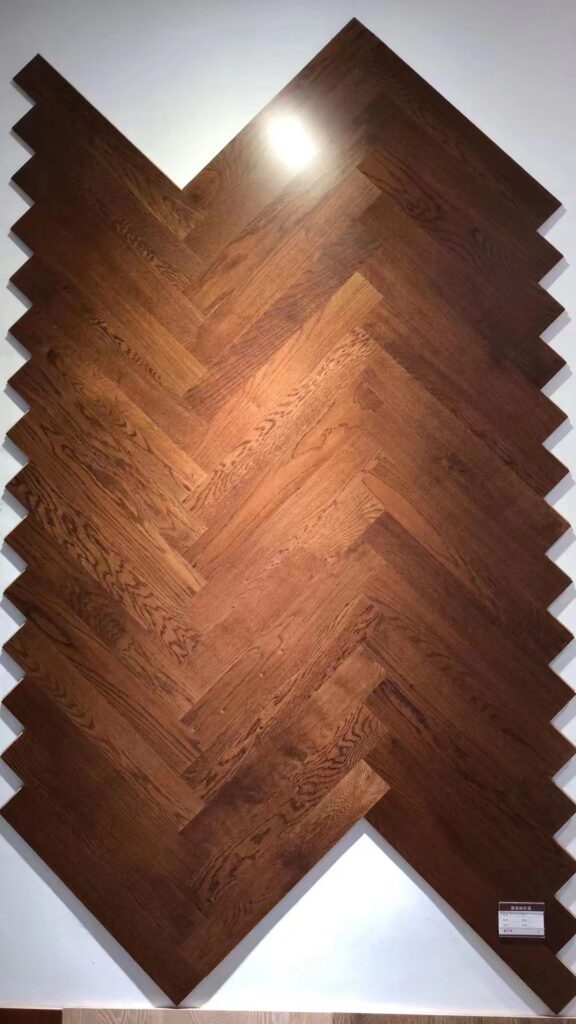
Selecting the right payment terms for your parquet flooring imports balances financial security with relationship building, while protecting against supplier risks in international transactions.
Choosing appropriate payment methods represents a critical decision point when importing custom parquet flooring from China. For B2B buyers, payment terms must balance risk management, cash flow considerations, and relationship building with new suppliers. Understanding the full spectrum of options—from secure letters of credit to platform-based protection programs—enables importers to structure transactions that protect their interests while demonstrating credibility to manufacturers.
The evolution of international trade finance has created multiple pathways for settling parquet flooring purchases, each with distinct advantages, costs, and risk profiles. By matching payment methods to transaction specifics and supplier relationships, importers can optimize their financial security while facilitating smooth procurement operations.
Table of Contents
1.Should I use LC payment terms with new Chinese parquet suppliers?
2.How do I verify supplier legitimacy before parquet deposit payments?
3.What deposit percentage do reputable parquet factories require?
4.Can I use Alibaba Trade Assurance for large parquet orders?
1. Should I use LC payment terms with new Chinese parquet suppliers?
Letters of Credit (LCs) provide a balanced approach to payment security when working with new Chinese parquet suppliers, particularly for substantial orders where both parties seek transaction guarantees. This banking instrument creates a secure framework for international trade by ensuring payment occurs only upon fulfillment of precisely defined conditions.
Understanding LC Advantages and Implementation
Letters of Credit offer distinct benefits for parquet flooring imports, especially with unproven suppliers. Payment security is significantly enhanced as banks guarantee payment once the supplier presents agreed-upon shipping documents. Condition clarity ensures that all parties understand exact requirements before transaction completion. Dispute reduction occurs because the LC specifies exactly what documents constitute successful order fulfillment. However, LCs also involve bank fees typically ranging from 0.5% to 2% of the transaction value, administrative complexity in documentation preparation, and potential strict compliance issues where minor document discrepancies can delay payment. For parquet orders exceeding $30,000, the security benefits generally justify the additional costs and administrative requirements.
Practical LC Application for Parquet Imports
Implementing LC terms effectively requires attention to several practical considerations. The sight LC (immediate payment upon document presentation) is most common for parquet transactions, while usance LC (deferred payment) offers extended payment terms but may involve financing costs. Document requirements typically include commercial invoice, packing list, bill of lading, certificate of origin, and often a third-party inspection certificate for quality verification. Remett Floor assists new clients in navigating LC requirements by providing precise documentation and maintaining transparent communication with banking partners throughout the process, ensuring smooth transaction execution even with complex payment terms.
2. How do I verify supplier legitimacy before parquet deposit payments?
Thorough supplier verification represents the most effective risk mitigation strategy before committing funds to a new Chinese parquet manufacturer. Comprehensive due diligence protects against fraudulent entities and ensures partners possess the capabilities they claim.
Multi-Layered Verification Approach
Effective supplier verification incorporates multiple overlapping checks to create a complete legitimacy picture. Business license validation confirms legal registration status, operating scope, and capital base through official Chinese government portals. Production facility verification through video audits, site visits, or third-party inspections confirms physical manufacturing capabilities match claims. Reference validation with previous international clients provides insights into actual performance history and reliability. Certification review of quality management (ISO 9001), environmental management (ISO 14001), and product-specific certifications (FSC, CE) indicates procedural discipline and compliance commitment.
Due Diligence Implementation Strategies
Implementing a structured verification process significantly reduces deposit risk. Document collection should include business license, organization code certificate, tax registration certificate, and VAT taxpayer status. Virtual audits conducted via video call can verify factory size, equipment, inventory, and production processes without travel expenses. Sample evaluation of parquet products before full order commitment tests both quality and communication responsiveness. Background checks through industry contacts, trade associations, and online platforms help identify red flags or confirm positive track records. Remett Floor facilitates this verification process by maintaining transparent documentation and welcoming client due diligence, recognizing that thorough vetting establishes the foundation for successful long-term partnerships.
3. What deposit percentage do reputable parquet factories require?
Deposit requirements for custom parquet orders vary based on order size, customization complexity, and supplier relationship, but typically fall within predictable industry norms that balance manufacturer security with buyer risk.
Standard Deposit Structures
Reputable parquet manufacturers generally request deposits between 30% and 50% of the total order value, with specific factors influencing where a particular order falls within this range. Standard customization orders typically require 30% deposits, covering material procurement and initial production setup. High customization projects with unique patterns, rare wood species, or special finishing treatments often warrant 40-50% deposits due to their limited resale potential if orders are canceled. Large volume orders exceeding container quantities may negotiate reduced percentages (25-30%) while still providing substantial financial commitment. Repeat customers with established payment histories often qualify for reduced deposit requirements based on demonstrated reliability.
Deposit Payment Best Practices
Structuring deposit payments properly protects both buyers and suppliers. Phased payments (30% deposit, 40% before shipment, 30% after receipt) distribute risk more evenly throughout the production and delivery process. Payment method selection using bank transfers provides transaction records, while platform payments (Alibaba Trade Assurance) offer additional dispute resolution options. Contract clarity regarding deposit purpose, refund conditions, and production milestones prevents misunderstandings. Remett Floor typically requests a 30% deposit for standard custom parquet orders, with balance payment before shipment, though we maintain flexibility to structure payments according to client needs and order specifics, particularly for established partners.
4. Can I use Alibaba Trade Assurance for large parquet orders?
Alibaba Trade Assurance provides a valuable payment protection mechanism for parquet imports, though its applicability to large orders depends on transaction size, supplier participation, and specific order requirements.
Trade Assurance Benefits and Limitations
The platform offers distinct advantages for parquet transactions, particularly with suppliers new to the importer. Payment protection safeguards funds until order completion and confirmation of satisfactory delivery. Dispute mediation provides structured resolution processes when disagreements arise about quality or fulfillment. Supplier verification indicates basic Alibaba vetting, though additional due diligence remains necessary. However, coverage limits may not fully protect large parquet orders, currently maxing at $75,000 for most suppliers. Supplier participation varies, with not all quality manufacturers utilizing the program, particularly those focused on direct B2B relationships. Customization challenges may arise when protection terms conflict with highly specific parquet requirements not easily captured in platform documentation.
Strategic Implementation for Parquet Orders
Effectively leveraging Trade Assurance requires strategic implementation, particularly for substantial flooring purchases. Order splitting across multiple transactions can maintain coverage within protection limits when necessary. Document precision in order specifications, quality standards, and delivery requirements strengthens protection by creating clear fulfillment benchmarks. Supplemental agreements with detailed technical specifications can run parallel to platform terms to address customization complexities. Supplier verification remains essential despite platform vetting, as Trade Assurance doesn’t replace comprehensive due diligence. Remett Floor maintains Trade Assurance eligibility for client orders that benefit from this additional protection layer, while also offering direct payment terms that often provide greater flexibility for complex custom parquet projects exceeding standard platform limitations.
Conclusion
Selecting optimal payment methods for Chinese parquet imports requires balancing security, cost, and relationship considerations across the transaction lifecycle. From Letters of Credit with new suppliers to structured deposit payments and platform protections, each approach offers distinct advantages for different procurement scenarios. The most effective payment strategy often evolves as supplier relationships mature, moving from maximum security initially toward streamlined efficiency with proven partners.
Remett Floor recognizes that transparent, flexible payment terms form the foundation of successful import partnerships. Our approach to payment structuring prioritizes mutual protection while minimizing unnecessary complexity and cost, ensuring financial arrangements support rather than hinder your parquet procurement objectives.
Are you seeking a parquet supplier who combines manufacturing expertise with transparent financial terms tailored to your import requirements?