
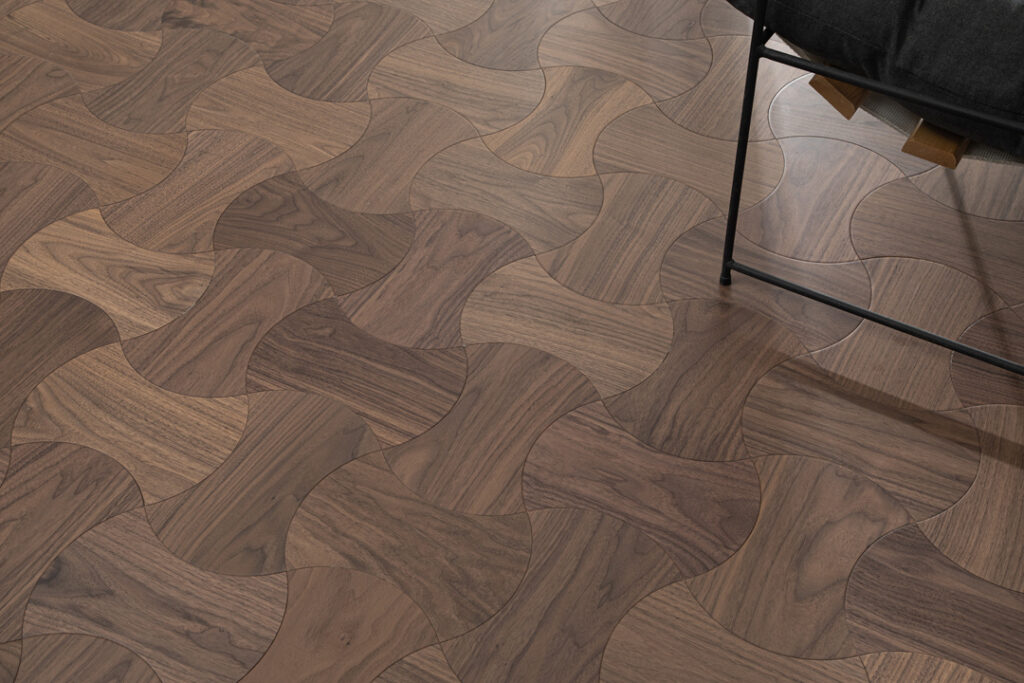
Establishing precise grading specifications ensures consistent quality, predictable aesthetics, and appropriate pricing for your custom parquet projects from Chinese manufacturers.
Parquet grading represents a critical quality specification that directly impacts both the aesthetic character and economic value of flooring projects. For B2B buyers importing from China, implementing clear grading standards ensures that products meet expected quality levels while providing objective criteria for quality acceptance and potential claims resolution. The complexity of wood’s natural characteristics requires sophisticated grading systems that balance aesthetic preferences with practical manufacturing realities and cost considerations.
Understanding international grading standards and their practical implementation enables buyers to communicate requirements effectively with Chinese suppliers. By establishing precise grading specifications, implementing appropriate verification protocols, and understanding the relationship between grading and other product characteristics, importers can consistently source parquet that meets their quality expectations and project requirements.
Table of Contents
What grading standards apply to custom parquet flooring?
How does parquet grading affect price and appearance?
Can suppliers provide graded parquet samples for approval?
How do I ensure consistent grading across parquet shipments?
What grading standards apply to custom parquet flooring?
International grading standards provide structured frameworks for classifying parquet quality based on natural wood characteristics and manufacturing perfection.
Established Grading Frameworks
Several recognized grading systems provide consistent terminology and criteria for parquet quality classification. European grading standards following EN 13226 establish categories like Prime, Nature, and Rustic based on factors including knot size and frequency, color variation, and allowable character marks. American grading systems like those from NWFA (National Wood Flooring Association) provide alternative frameworks with categories such as Clear, Select, and Character grade with specific allowances for natural wood characteristics. Manufacturer-specific grading often adapts these standards to particular product lines or market preferences, creating customized classifications that may combine elements from multiple systems. Species-specific adaptations recognize that different wood types demonstrate unique characteristics, requiring adjusted grading criteria for species like oak, walnut, or maple. Project-specific grading sometimes creates custom classifications tailored to particular aesthetic visions or functional requirements beyond standard categories.
Grading Parameter Specifications
Effective grading specifications address multiple quality dimensions through precise, measurable criteria. Knot specifications define maximum sizes, types (sound versus unsound), and frequency per unit area with precise measurement protocols. Color variation allowances establish acceptable ranges for heartwood/sapwood proportions and overall color consistency using standardized reference samples. Character mark permissions specify acceptable inclusions like mineral streaks, birdseye, or other natural features that contribute to wood’s character. Manufacturing perfection requirements address surface defects, machining quality, and finishing consistency beyond natural wood characteristics. Grading implementation protocols define sampling methods, inspection conditions, and acceptance criteria that ensure consistent application of grading standards. Remett Floor maintains comprehensive grading documentation and reference samples for all standard classifications, ensuring consistent application of grading standards across production batches.
How does parquet grading affect price and appearance?
Grading selections create significant impacts on both project economics and aesthetic outcomes, requiring careful consideration during specification.
Economic Implications
Grading choices directly influence material costs through yield factors and processing requirements. Yield efficiency factors mean that higher grades (like Prime) typically achieve only 15-25% yield from raw lumber, compared to 60-75% for character grades, significantly impacting material costs. Processing intensity variations affect production costs, with higher grades requiring more selective cutting, matching, and sorting activities during manufacturing. Inventory management considerations influence pricing, as higher grades may require maintaining specialized inventory with associated carrying costs. Market preference factors create price premiums for certain grades based on regional aesthetic preferences and fashion trends. Value optimization opportunities exist through selective use of different grades within projects, applying premium grades in highlight areas and character grades in secondary spaces.
Aesthetic Impact Considerations
Grading selections fundamentally determine the visual character of installed flooring. Visual consistency levels range from uniform appearance in prime grades to highly varied character in rustic grades, creating dramatically different spatial experiences. Style compatibility factors make certain grades more appropriate for specific design schemes, with clean contemporary spaces often preferring higher grades while traditional interiors may embrace character grades. Pattern emphasis effects vary by grade, with highly figured character grades potentially competing with installation patterns while uniform prime grades allow patterns to dominate. Light interaction properties differ between grades, with consistent prime grades providing even light reflection while character grades create more dynamic light play. Long-term appearance considerations include how different grades may show wear and aging, with busier character grades potentially showing maintenance issues less prominently than uniform prime grades. Remett Floor provides detailed grading comparisons and cost-benefit analysis to help clients select optimal grade choices for their specific aesthetic goals and budget parameters.
Can suppliers provide graded parquet samples for approval?
Comprehensive grading samples are essential for establishing clear quality expectations and ensuring consistent execution throughout production.
Sample Types and Applications
Different sample formats serve distinct purposes in the grading specification and approval process. Grade comparison boards displaying multiple grades side-by-side using the same wood species and production methods enable direct comparison of different quality levels. Range samples showing the minimum and maximum allowable characteristics within each grade establish acceptable boundaries for natural variation. Production-representative samples manufactured using standard production processes rather than specially selected pieces provide accurate expectations of typical grade appearance. Large-format installation samples consisting of multiple boards installed in typical patterns demonstrate how grades appear at room scale rather than as individual pieces. Digital grading references with detailed photographic examples and acceptance criteria provide accessible grading guidance across international teams and project phases.
Effective Sample Utilization
Maximizing the value of grading samples requires structured evaluation protocols and clear documentation. Lighting condition assessment examines samples under various light sources and intensities to understand how grading characteristics appear throughout daily cycles. Scale consideration evaluates how grading characteristics read at normal viewing distances rather than close inspection alone. Comparative analysis places grading samples alongside other design elements including furniture, finishes, and architectural details to ensure harmonious integration. Stakeholder review processes ensure all decision-makers provide input based on consistent evaluation criteria. Approval documentation includes detailed grading specifications, reference to established standards, and formal sign-off records that prevent later disputes. Remett Floor provides comprehensive grading sample kits that include comparison boards, installation mockups, and detailed specification documents, supported by expert guidance to ensure clear communication of grading expectations.
How do I ensure consistent grading across parquet shipments?
Maintaining consistent grading application across multiple production batches and shipments requires systematic approaches to specification, verification, and communication.
Consistency Management Strategies
Effective grading consistency relies on multiple coordinated approaches throughout the manufacturing and supply chain. Reference sample systems maintain physical grading standards that are regularly compared against production samples to detect grading drift. Statistical process control monitors grading results across production batches, identifying trends toward specification limits before they become unacceptable. Supplier training and calibration ensures that grading personnel apply standards consistently, with regular inter-rater reliability checks. Production batch management links specific grading results to production batches, enabling targeted addressing of consistency issues. Documentation protocols maintain complete records of grading inspections, including photographic evidence and measurement data for future reference.
Practical Implementation Approaches
Successful grading consistency requires both systematic protocols and practical management approaches. Pre-production verification confirms that initial production samples meet grading specifications before full production authorization. In-process monitoring conducts periodic grading checks during production runs to identify and address consistency issues promptly. Shipment approval protocols require grading verification before shipment release, preventing inconsistent product from entering the supply chain. Contractual clarity includes precise grading specifications, acceptance criteria, and remediation procedures within purchase agreements. Relationship management maintains open communication with suppliers about grading expectations and performance, addressing minor issues before they become significant problems. Remett Floor’s grading consistency systems include statistical process control, reference sample management, and comprehensive documentation that ensures consistent grading application across all production batches and shipments.
Conclusion
Implementing precise grading specifications for Chinese parquet imports provides essential quality control that ensures consistent aesthetic results and predictable project outcomes. The most effective grading management strategies combine clear standard references, comprehensive samples, understanding of economic and aesthetic implications, and systematic consistency protocols. By establishing thorough grading specifications and working with manufacturers who employ rigorous grading systems and verification processes, B2B buyers can confidently source parquet that delivers expected quality levels across all project phases.
Remett Floor’s commitment to grading excellence encompasses both technical precision and aesthetic sensitivity, ensuring clients receive products that consistently meet their quality expectations. Our comprehensive grading systems, reference samples, and consistency management protocols provide reliable grading execution that supports successful project outcomes while minimizing quality-related risks.
Are you developing grading specifications for your next parquet project and seeking a supplier with rigorous grading systems and consistent execution capabilities?