
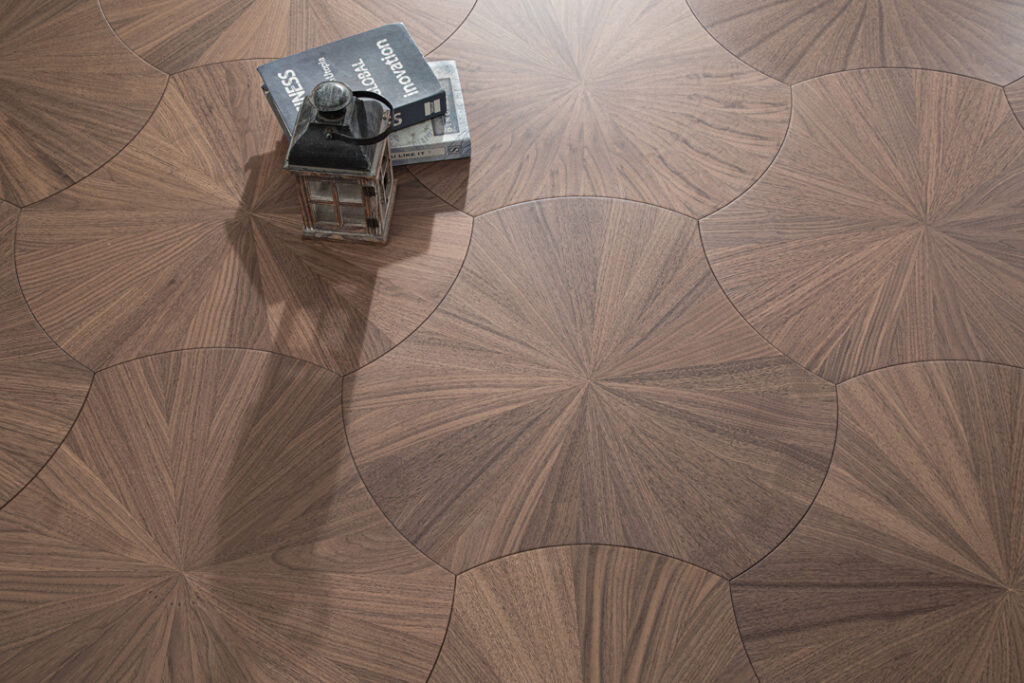
Precise dimension specification forms the foundation of successful custom parquet production, balancing aesthetic vision with manufacturing feasibility and installation practicality.
Specifying dimensions for custom parquet production requires understanding both manufacturing capabilities and end-use requirements. For B2B buyers, accurate dimension specification ensures that produced flooring aligns with design intentions while maintaining efficient manufacturing processes and trouble-free installation. The dimensional parameters of parquet planks influence not only visual proportions and pattern repetition but also structural performance, installation methodology, and long-term stability in the destination environment.
A comprehensive approach to dimension specification considers the interplay between width, length, thickness, and tolerance parameters, recognizing how each dimension affects both manufacturing efficiency and installed performance. By understanding standard manufacturing ranges and strategic approaches to non-standard requirements, importers can optimize their specifications to achieve design objectives while maintaining cost efficiency and production feasibility.
Table of Contents
1.What’s the standard width range for custom parquet planks?
2.How do I specify dimension tolerances to avoid installation issues?
3.Can suppliers produce parquet in non-standard length options?
4.How do dimension choices affect parquet shipping and storage?
1. What’s the standard width range for custom parquet planks?
Understanding standard width parameters provides a foundation for specification decisions that balance design aspirations with manufacturing efficiency and cost optimization.
Manufacturing Width Standards
Chinese parquet manufacturers typically maintain standard width ranges that align with global market preferences while optimizing material utilization. Narrow plank options generally range from 90-130mm, offering traditional appearance with enhanced stability due to multiple joints distributing movement stress. Medium width planks spanning 150-200mm represent the most popular range, balancing modern aesthetics with practical installation and stability characteristics. Wide plank options from 220-300mm create dramatic visual impact but require more selective material sourcing and specialized installation approaches. Extra-wide specifications exceeding 300mm represent specialized productions with significantly higher material costs and technical considerations regarding wood movement management.
Width Selection Considerations
Strategic width selection involves evaluating multiple factors beyond basic aesthetics. Pattern repetition requirements influence optimal widths, particularly for herringbone, chevron, or other geometric patterns where width determines pattern scale. Room proportion relationships suggest narrower planks for smaller spaces and wider planks for expansive areas, though designer preferences sometimes intentionally contrast these conventions. Manufacturing yield efficiency varies by width, with certain dimensions optimizing material utilization from standard raw material sizes. Installation methodology compatibility differs by width, as wider planks may require specialized fastening approaches or substrate preparation. Remett Floor guides clients through width selection decisions with consideration of both aesthetic goals and practical manufacturing and installation implications.
2. How do I specify dimension tolerances to avoid installation issues?
Precise tolerance specification prevents installation challenges by establishing clear acceptability parameters for dimensional variations inherent in wood product manufacturing.
Critical Tolerance Parameters
Effective tolerance specification addresses multiple dimensional characteristics that collectively influence installation quality and long-term performance. Thickness tolerance typically maintains ±0.2mm for precision-engineered parquet, ensuring consistent surface transitions and proper fastener engagement. Width tolerance generally allows ±0.3mm variation, preventing cumulative gaps or compression issues across installed areas. Length tolerance commonly permits ±0.5mm variation, though this parameter often receives greater flexibility except in precise pattern applications. Squareness tolerance typically limits deviation to 0.2mm per 100mm of width, ensuring proper joint alignment, especially in pattern flooring. Flatness tolerance generally restricts deviation to 0.5mm across 1000mm length, preventing visible undulations in the installed surface.
Tolerance Implementation Strategy
Successful tolerance management requires both proper specification and verification protocols. Reference to international standards such as EN 13226 provides established tolerance frameworks that manufacturers should readily accommodate. Application-specific adjustments may tighten or loosen standard tolerances based on installation method, pattern complexity, and visual requirements. Measurement methodology specification ensures consistent evaluation, including instrument precision, measurement locations, and environmental conditions during assessment. Sampling protocols define how tolerance compliance will be verified, including sample size, selection method, and acceptance criteria. Remett Floor maintains manufacturing processes capable of meeting stringent international tolerance standards while providing clients with comprehensive documentation demonstrating compliance with specified dimensional parameters.
3. Can suppliers produce parquet in non-standard length options?
Chinese manufacturers typically maintain flexibility regarding length specifications, accommodating non-standard dimensions to meet unique design requirements and installation scenarios.
Non-Standard Length Feasibility
The production of non-standard length parquet involves both technical considerations and economic implications. Minimum length limitations typically begin at 200mm for functional reasons, as shorter elements present installation challenges and visual fragmentation. Maximum length capabilities generally extend to 2400mm for engineered constructions and 2000mm for solid wood, though specialized manufacturers may exceed these dimensions. Random length productions mixing specified lengths within a shipment represent a common approach that balances visual interest with manufacturing efficiency. Extreme length requirements beyond standard ranges may involve specialized equipment, custom tooling, or manual processes with corresponding cost implications.
Strategic Length Specification
Optimizing length specifications involves balancing design objectives with practical considerations. Material utilization efficiency varies by length, with certain dimensions optimizing yield from raw material dimensions while minimizing waste. Installation efficiency considerations suggest lengths that minimize cutting waste while accommodating room dimensions and pattern requirements. Shipping constraints occasionally influence maximum lengths, particularly for containerized shipments where length affects packing efficiency. Pattern integration requirements sometimes dictate specific lengths, particularly in designs incorporating multiple length elements in predetermined relationships. Remett Floor works collaboratively with clients to develop length specifications that achieve design objectives while maintaining manufacturing efficiency and cost effectiveness, often suggesting modifications that preserve design intent while optimizing production feasibility.
4. How do dimension choices affect parquet shipping and storage?
Dimension decisions influence logistical considerations throughout the supply chain, from packaging efficiency to storage requirements and handling protocols.
Shipping Efficiency Implications
Parquet dimensions directly impact container utilization, weight distribution, and handling requirements during international shipping. Length considerations significantly affect container packing efficiency, with standard lengths typically optimized for high-density loading in shipping containers. Width relationships to container dimensions influence stacking patterns and overall space utilization, with certain widths enabling more efficient interlocking patterns. Thickness impacts both weight and volume calculations, directly influencing shipping costs calculated on weight or volume basis. Package dimension standardization often aligns with pallet sizes and container dimensions, with non-standard product dimensions sometimes resulting in inefficient packaging configurations.
Storage and Handling Considerations
Dimension choices continue to influence costs and logistics after arrival at destination warehouses. Storage space efficiency varies by dimension package configuration, with standardized dimensions typically optimizing warehouse space utilization. Handling equipment requirements sometimes change with extreme dimensions, particularly very long or heavy packages that may require specialized equipment. Installation site access limitations occasionally constrain maximum dimensions, particularly in renovation projects with elevator size restrictions or narrow passageways. Inventory management implications include how dimension variations affect stock keeping unit (SKU) proliferation and replacement part logistics. Remett Floor provides clients with detailed packaging specifications and container loading calculations during the quotation process, enabling informed dimension decisions that consider total landed costs rather than merely product costs alone.
Conclusion
Strategic dimension specification for custom parquet production requires balancing design vision, manufacturing feasibility, installation requirements, and logistical considerations. The most effective dimension decisions acknowledge the interconnected nature of width, length, thickness, and tolerance parameters, recognizing that each dimension influences both aesthetic outcomes and practical implementation across the product lifecycle. By understanding manufacturing capabilities and approaching dimension specification systematically, importers can achieve their design objectives while maintaining production efficiency and cost effectiveness.
Remett Floor’s technical expertise supports clients in navigating dimension specification decisions, providing data-driven recommendations that balance aesthetic goals with manufacturing practicality and installation requirements. Our comprehensive approach ensures dimension specifications deliver expected performance while optimizing value throughout the supply chain.
Are you seeking a parquet partner with the technical capability to guide your dimension specifications while ensuring manufacturing feasibility and optimal logistical outcomes?