
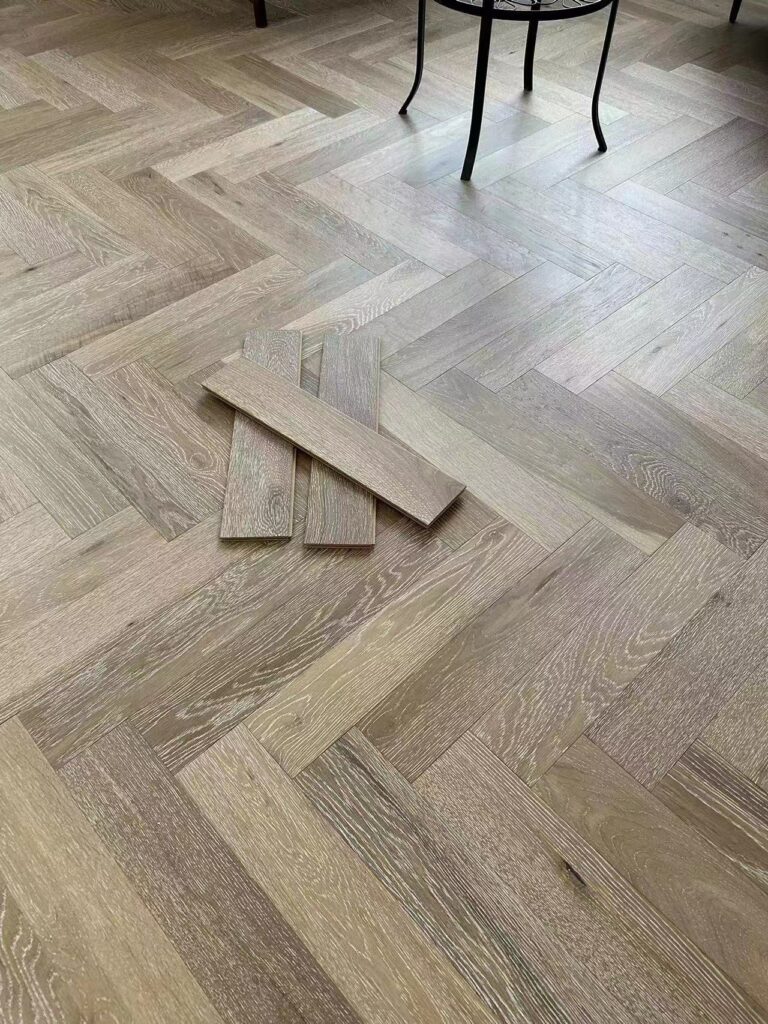
Understanding the complete import cost structure for Chinese parquet flooring enables accurate budgeting and compliance with European regulatory requirements.
Calculating the total fiscal obligations for importing parquet flooring from China to European markets requires careful analysis of multiple components beyond the product price. For B2B buyers, accurately projecting these costs is essential for competitive pricing, margin protection, and financial planning. The European Union’s harmonized system provides consistent framework regulations while allowing member states certain variations in implementation, particularly regarding value-added tax.
A methodical approach to duty and VAT calculation helps importers avoid unexpected charges while maintaining full compliance with European customs regulations. By understanding the classification system, rate structures, and potential exemptions, businesses can optimize their import strategy while ensuring smooth customs clearance for their parquet shipments.
Table of Contents
1.How do I check current duty rates for parquet in my EU country?
2.Is there a VAT difference for commercial vs residential parquet?
3.Can I claim back VAT on parquet imports for business purposes?
4.Are there duty exemptions for FSC-certified parquet flooring?
1. How do I check current duty rates for parquet in my EU country?
Determining the applicable duty rates for parquet flooring imports begins with proper classification under the Combined Nomenclature system used throughout the European Union. This standardized approach ensures consistent treatment across member states while accommodating specific national administrative requirements.
Classification and Rate Verification Process
The foundation of accurate duty calculation lies in correct product classification. Parquet flooring typically falls under CN code 4409 20, specifically covering “wood continuously shaped along any of its edges, ends or faces.” This classification generally carries a Most-Favored-Nation duty rate of 2.7% for imports from China, though certain wood species or product configurations might warrant different classifications. To verify current rates, importers should consult the EU’s TARIC database, which provides the most up-to-date duty information, including any temporary suspensions or additional duties that might apply. Additionally, checking with national customs authorities in the destination country confirms any member-state-specific requirements or additional charges that might apply beyond the EU-standard rates.
Practical Application and Documentation
Implementing an effective duty verification system requires attention to both EU-wide and national requirements. Maintaining updated classification records for each parquet product variation ensures consistent application across multiple shipments. Understanding preferential treatment possibilities under various trade arrangements can potentially reduce duty liabilities. Preparing comprehensive commercial documentation including detailed invoices, packing lists, and certificates of origin facilitates accurate customs valuation. Remett Floor assists clients with this process by providing precise product descriptions, harmonized system classifications, and supporting documentation that enables accurate duty assessment upon arrival in European markets.
2. Is there a VAT difference for commercial vs residential parquet?
Value Added Tax treatment for parquet flooring imports does not typically differentiate between commercial and residential applications at the point of importation, though subsequent recovery possibilities vary significantly based on the importer’s tax status and the final use of the products.
VAT Application at Importation
The standard VAT rate of the destination country applies to parquet flooring imports regardless of whether the products are destined for commercial or residential use. This means the same VAT percentage applies to the CIF value plus duties at the time of import clearance. However, the fundamental distinction arises in the subsequent VAT treatment during domestic distribution and final sale. Businesses registered for VAT typically can recover import VAT as input tax, while final consumers bear the full VAT cost without recovery possibilities. Some EU member states offer reduced VAT rates for certain residential renovation projects, though these typically apply at the installation stage rather than during initial importation.
Strategic VAT Planning Considerations
Effective VAT management requires understanding both immediate payment obligations and future recovery opportunities. Maintaining proper import documentation including customs declarations and payment records is essential for subsequent VAT recovery by registered businesses. Understanding domestic reverse charge mechanisms can simplify VAT accounting for commercial transactions between VAT-registered entities. Considering customs warehousing options defers VAT payment until goods enter free circulation, potentially improving cash flow. Remett Floor’s commercial clients typically structure their imports through VAT-registered entities, enabling full recovery of import VAT as input tax, while ensuring proper documentation supports their domestic VAT compliance requirements.
3. Can I claim back VAT on parquet imports for business purposes?
Businesses registered for VAT in European Union member states can typically recover import VAT paid on parquet flooring shipments, provided the imported goods relate to taxable business activities and proper documentation requirements are satisfied.
VAT Recovery Eligibility and Process
The VAT recovery process for imported goods follows specific procedural requirements that differ from domestic VAT reclamation. Immediate payment of import VAT occurs during customs clearance, with subsequent recovery through the regular VAT return process in most member states. Documentation requirements typically include the customs import declaration containing details of VAT paid, along with commercial invoices and evidence of business registration. Business purpose justification demonstrates that the imported parquet relates to taxable economic activities rather than exempt or private usage. Most EU countries require VAT-registered businesses to submit regular VAT returns where import VAT appears as recoverable input tax, subject to standard deduction conditions and proportional restrictions for partially exempt businesses.
Optimizing VAT Recovery Efficiency
Several strategies can enhance VAT recovery effectiveness for regular parquet importers. Maintaining systematic record-keeping of all import documentation ensures seamless recovery during VAT return preparation. Utilizing customs simplification procedures like postponed accounting for import VAT (available in some member states) can improve cash flow by eliminating upfront payment requirements. Understanding cross-border refund mechanisms enables recovery in situations where the importer isn’t VAT-registered in the arrival country but belongs to another EU member state. Remett Floor supports clients’ VAT recovery efforts by providing comprehensive commercial documentation that satisfies customs requirements and facilitates accurate VAT accounting throughout the import and distribution process.
4. Are there duty exemptions for FSC-certified parquet flooring?
While FSC certification demonstrates sustainable forestry practices and offers significant market advantages, it does not typically trigger automatic duty exemptions for parquet flooring imports into the European Union under standard tariff arrangements.
Certification Benefits Beyond Duty Reduction
The commercial value of FSC certification extends beyond potential duty considerations. Market access enhancement comes through meeting the sustainability requirements of increasingly environmentally conscious European buyers. Competitive differentiation occurs as certified products stand out in crowded marketplaces. Regulatory compliance alignment with evolving EU regulations on deforestation-free products positions certified importers advantageously. While not directly reducing standard MFN duty rates, FSC certification may provide indirect financial benefits through premium pricing possibilities, eligibility for green building certifications, and alignment with corporate sustainability mandates that increasingly influence procurement decisions.
Strategic Certification Implementation
Leveraging FSC certification effectively requires understanding both its limitations and opportunities within the European market. Maintaining robust chain of custody documentation throughout the supply chain preserves certification integrity from forest to finished product. Communicating sustainability credentials effectively to European business customers and final consumers enhances market positioning. Monitoring regulatory developments regarding potential future preferential treatment for certified sustainable products prepares importers for possible policy evolution. Remett Floor offers FSC-certified parquet options for clients targeting sustainability-focused market segments, providing complete chain-of-custody documentation that supports our clients’ environmental claims while meeting all regulatory requirements for certified product imports.
Conclusion
Navigating the fiscal aspects of parquet flooring imports from China to Europe requires understanding both EU-wide regulations and member-state-specific implementations. A systematic approach to duty calculation, VAT management, and certification utilization enables importers to maintain compliance while optimizing their total landed cost structure. The most effective import strategies balance immediate fiscal obligations with longer-term compliance and market positioning considerations.
Remett Floor’s experience with European import regulations supports clients in developing cost-effective import strategies that satisfy customs requirements while maximizing financial efficiency. Our comprehensive documentation and product classification expertise facilitate smooth customs clearance and accurate fiscal assessment for parquet shipments throughout European markets.
Are you looking for a parquet supplier who combines manufacturing expertise with comprehensive understanding of European import regulations to simplify your procurement process?