
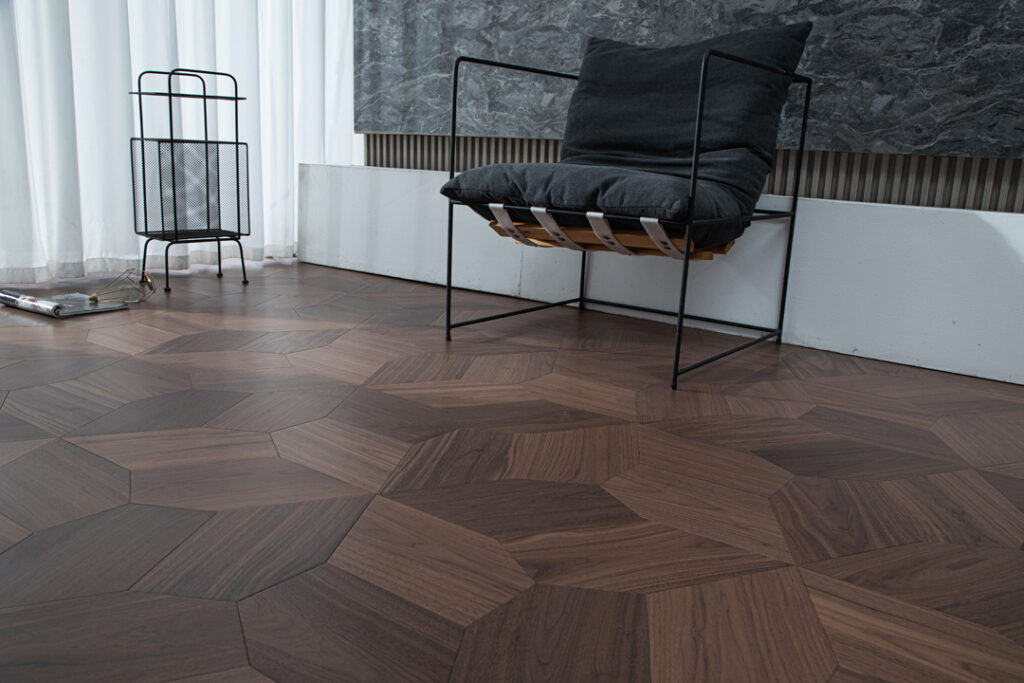
Implementing comprehensive finish durability testing ensures imported parquet flooring maintains its aesthetic appeal and protective functions throughout its service life in demanding commercial and residential environments.
Finish durability represents a critical performance characteristic that directly impacts parquet flooring’s longevity, maintenance requirements, and overall value proposition. For B2B buyers importing from China, establishing robust finish testing protocols verifies that surface treatments will withstand the specific wear patterns, chemical exposures, and cleaning regimens of their target markets. Understanding both standardized testing methodologies and practical assessment approaches enables importers to make informed decisions that balance durability requirements with budget considerations across different application scenarios.
The complexity of modern finish technologies—ranging from traditional polyurethanes to advanced UV-cured systems and natural oil formulations—requires sophisticated testing approaches that simulate real-world conditions. By implementing systematic finish durability verification throughout the procurement process, buyers can confidently specify parquet products that deliver reliable performance in diverse environments, from high-traffic commercial spaces to residential applications with specific maintenance preferences.
Table of Contents
1,What finish durability tests apply to European parquet imports?
2.How do I test finish resistance to stains and chemicals?
3.Can suppliers provide finish durability guarantees for parquet?
4.How does finish type affect parquet maintenance requirements?
What finish durability tests apply to European parquet imports?
European standards provide comprehensive testing frameworks for evaluating parquet finish durability, creating consistent methodologies for assessing resistance to wear, scratches, and surface degradation.
Standardized Testing Frameworks
The European standardization system includes specific protocols for assessing finish performance under simulated wear conditions. EN 14354 specifies the Taber abrasion test method for wood-based panels, measuring finish wear resistance through weight loss measurements after specified revolution counts with standardized abrasive wheels. EN 438-2 (adapted for parquet) establishes classification criteria based on abrasion resistance performance, with commercial grades typically requiring resistance to 1,000-2,000 revolutions depending on application requirements. EN 15185 provides specific methodology for assessing furniture castor resistance, particularly relevant for office environments and commercial applications. Scratch resistance testing according to EN 438 standards evaluates surface hardness and resistance to visible scratching from everyday use. Impact resistance protocols assess finish flexibility and adhesion under sudden impact forces, complementing abrasion resistance data.
Testing Methodology Implementation
Proper finish durability assessment requires specialized equipment and controlled testing conditions. Taber abrasion testing utilizes CS-10 or CS-17 abrasive wheels under specified pressure, with weight loss measurements taken at 100-revolution intervals to create detailed wear profiles. Scratch testing employs progressively loaded stylus instruments that measure the minimum force required to create visible surface damage. Chemical resistance assessment subjects finished surfaces to common household and commercial chemicals with evaluation of surface effects according to standardized rating scales. Sample conditioning protocols ensure testing occurs after samples reach equilibrium moisture content in standardized environmental conditions. Performance classification establishes clear categories based on test results, typically ranging from Class 1 (moderate residential) to Class 4 (heavy commercial) based on established performance thresholds. Remett Floor’s quality laboratory maintains full accreditation for standardized finish testing, providing clients with certified test reports that validate product performance against international standards for various application environments.
How do I test finish resistance to stains and chemicals?
Comprehensive stain and chemical resistance testing evaluates how parquet finishes withstand exposure to common substances encountered in residential and commercial environments.
Standardized Testing Protocols
Established testing methodologies provide consistent approaches to assessing finish resistance to various contaminants. EN 12720 specifies testing procedures for resistance to cold liquids, exposing finished surfaces to common household and commercial chemicals for specified durations. EN 15185 includes protocols for assessing resistance to hot water, coffee, alcohol, and cleaning chemicals that simulate real-world exposure conditions. Stain testing procedures utilize standardized staining agents including ink, shoe polish, food products, and cosmetics with specified exposure times and cleaning protocols. Chemical rating systems establish consistent evaluation criteria typically using 1-5 scales where 5 indicates no effect and 1 indicates severe damage. Cleaning simulation assesses whether normal cleaning procedures can remove stains without damaging the finish surface.
Practical Testing Implementation
Effective stain and chemical resistance evaluation requires both laboratory testing and practical assessment approaches. Test substance selection focuses on chemicals relevant to specific application environments, with commercial projects requiring testing against more aggressive cleaning chemicals and disinfectants. Exposure time variations assess both short-term exposure (immediate wiping) and extended exposure (24-hour contact) to simulate different real-world scenarios. Temperature considerations evaluate resistance to both cold and hot substances, particularly important for kitchen and food service applications. Surface recovery assessment examines whether finishes return to original appearance after chemical exposure and cleaning. Comparative testing evaluates multiple finish systems using identical protocols to establish relative performance rankings. Remett Floor conducts comprehensive stain and chemical resistance testing across our finish product range, providing clients with detailed performance data that supports appropriate product selection for specific application requirements.
Can suppliers provide finish durability guarantees for parquet?
Formal finish durability guarantees provide valuable assurance of product performance while demonstrating manufacturer confidence in their finishing technologies and quality control systems.
Guarantee Structure Components
Comprehensive finish durability guarantees contain specific elements that define coverage and performance commitments. Wear layer thickness specifications establish minimum wear layer dimensions, typically ranging from 0.5mm for residential products to 4.0mm for commercial grades with corresponding performance expectations. Abrasion resistance commitments often reference Taber test results or equivalent performance standards with specified minimum revolution counts before wear-through occurs. Stain and chemical resistance assurances define expected performance against common household and commercial chemicals with specified cleaning and recovery protocols. Maintenance requirement specifications outline proper cleaning procedures and frequency to maintain guarantee validity. Remediation procedures establish clear pathways for addressing performance issues, including refinishing protocols, partial replacement, or financial compensation.
Practical Guarantee Considerations
Effective finish guarantee management requires understanding both protections and practical implementation aspects. Guarantee duration variations typically range from 5-10 years for residential applications and 3-5 years for commercial installations, reflecting different usage intensities. Application environment requirements specify temperature and humidity ranges that must be maintained for guarantee validity. Maintenance protocol compliance requires use of specified cleaning products and procedures to prevent voiding guarantees. Documentation requirements include installation records, maintenance logs, and environmental data needed to support potential claims. Claim procedures familiarity ensures stakeholders understand required evidence and communication channels for addressing performance issues. Remett Floor stands behind our finish systems with industry-leading guarantees that reflect our confidence in the durability of our finishing technologies, supported by comprehensive testing data and responsive customer service.
How does finish type affect parquet maintenance requirements?
Different finish technologies impose distinct maintenance requirements that significantly impact long-term ownership costs and operational procedures.
Finish Technology Maintenance Profiles
Various finish systems demand specific maintenance approaches to preserve appearance and performance characteristics. UV-cured polyurethane finishes typically require minimal daily maintenance with periodic deep cleaning and potential recoating after 8-15 years depending on traffic levels. Oil-based finishes demand more frequent maintenance including regular re-oiling every 1-2 years with specific cleaning products that don’t compromise surface protection. Hardwax oil systems require intermediate maintenance with periodic refresher treatments and specific cleaning protocols that maintain surface protection. Conversion varnish finishes offer high durability with minimal maintenance but present challenges for spot repairs and refinishing. Water-based polyurethanes provide good durability with moderate maintenance requirements, typically needing recoating after 5-10 years of service.
Maintenance Planning Considerations
Strategic maintenance planning requires understanding the full lifecycle implications of finish selection. Daily maintenance requirements vary significantly between finish types, with oiled floors typically requiring more specific cleaning protocols than polyurethane-finished surfaces. Periodic maintenance activities range from simple deep cleaning for polyurethane finishes to complete re-oiling for oil-finished floors with corresponding labor and material costs. Repair and refinishing protocols differ dramatically between finish types, with oiled floors offering easier spot repairs while polyurethane finishes typically require complete area refinishing. Training requirements for maintenance staff vary by finish type, with oiled floors demanding more specialized knowledge than polyurethane-finished surfaces. Lifecycle cost calculations must include both initial product costs and long-term maintenance expenses that vary significantly between different finish technologies. Remett Floor provides comprehensive maintenance guidelines and lifecycle cost analysis for each finish option, helping clients select systems that balance durability requirements with operational capabilities and budget parameters.
Conclusion
Implementing comprehensive finish durability testing for Chinese parquet imports provides essential verification that surface treatments will deliver expected performance throughout their service life. The most effective finish evaluation strategies combine standardized laboratory testing with practical assessment of maintenance requirements and understanding of guarantee provisions. By establishing systematic verification protocols and working with manufacturers who employ advanced finishing technologies and provide comprehensive performance data, B2B buyers can confidently source parquet that delivers both aesthetic appeal and long-term durability in their target applications.
Remett Floor’s commitment to finish durability begins with technology selection and continues through rigorous manufacturing controls and comprehensive performance testing. Our technical expertise in finish technologies and maintenance requirements ensures clients receive products with finish performance characteristics that match their specific application needs and maintenance capabilities.
Are you evaluating finish durability requirements for your next parquet project and seeking a supplier with advanced finishing technologies and comprehensive performance testing?