
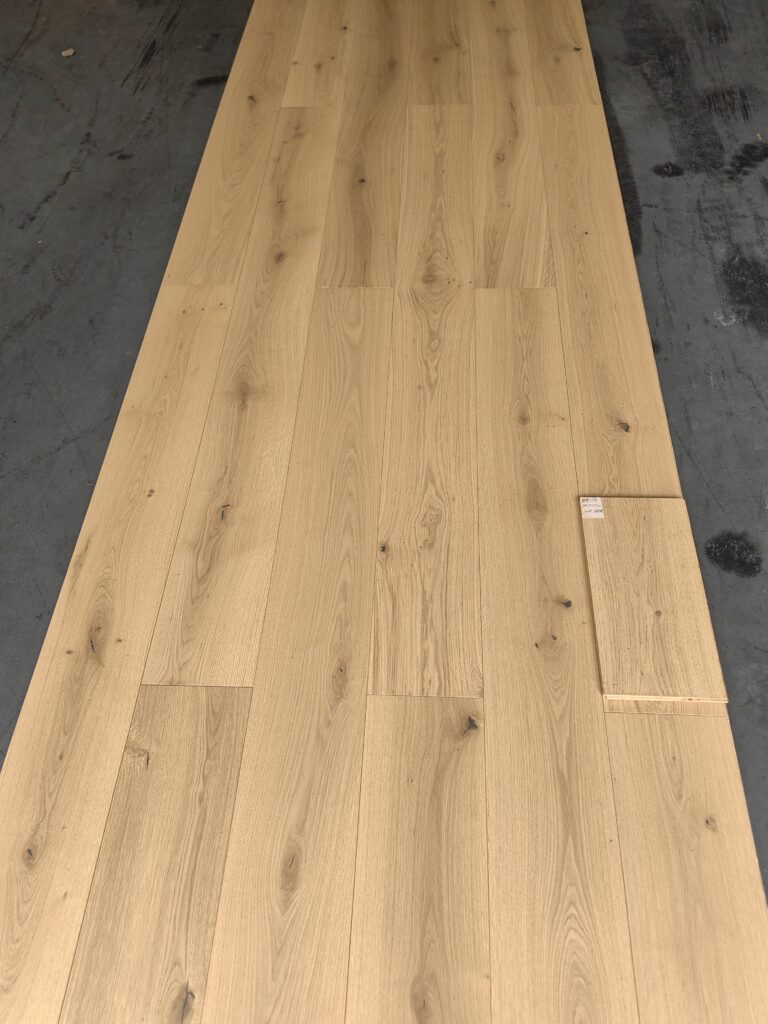
European Union member states share core timber import rules while enforcing unique national requirements for custom parquet flooring and engineered wood flooring, creating complex compliance challenges for cross-border B2B importers. Non-compliance with country-specific regulations can lead to cargo detention, extra fees, shipment delays and damaged profit margins for your timber import business. As a leading manufacturer with over 15 years of custom wood flooring export experience, Remettfloor ships more than 70,000 square meters of engineered and custom parquet annually. We maintain long-term partnerships with over 400 global clients, including government suppliers and distributors across Germany, France and the UK. Our product portfolio includes two-layer pine core, three-layer poplar core and multilayer eucalyptus core flooring with hardwood top layers ranging from 1.2mm to 6mm. We offer tailored guidance to help B2B buyers understand regional rules, conduct regulation research, adjust products and avoid penalties while stabilizing MOQ and overall import pricing.
Drawing from decades of cross-border flooring logistics data and widespread industry operational experience, we’ve compiled ten core practical takeaways to guide you in managing country-specific parquet import restrictions within the EU. These insights cover compliance research, product adaptation and risk control for your timber shipments.
Table of Contents
- Are there unique parquet import requirements for Germany/France/UK?
- How do I research country-specific parquet import regulations?
- Can suppliers adapt parquet to meet country-specific requirements?
- What penalties apply for violating country-specific parquet rules?
1. Are there unique parquet import requirements for Germany/France/UK?
While all three nations follow unified EU regulations such as the EU Deforestation Regulation (EUDR), CE-CPR construction product standards and phytosanitary rules, each enforces distinct national policies for custom parquet flooring and engineered wood flooring, affecting documentation, certification, taxation and labeling. Understanding these differences is the first step to smooth customs clearance and stable container load arrangements.
For Germany, authorities use the ATLAS electronic customs system for all import declarations and mandate precise HS code classification for parquet (primary code 44187500). The country strictly implements DIN standards for timber moisture content (6% to 10%) and formaldehyde emissions, requiring products to meet E1 or higher environmental grades. Import VAT is set at 19%, and all timber shipments must submit complete GPS-based timber traceability documents for EUDR compliance. German buyers also prioritize the Blue Angel environmental label for high-end custom parquet sold in local premium markets.
France applies a 20% standard import VAT and requires the Single Administrative Document (SAD) for all customs filings. Beyond universal EU certifications, French authorities emphasize REACH compliance for all coatings and adhesives used in engineered parquet. Clear origin marking on both products and outer packaging is mandatory. For decorative laser-cut custom parquet, additional product description details must be listed on declaration forms to avoid re-inspection.
Following Brexit, the UK operates independent import frameworks separate from the EU. It enforces the UK Timber Regulations (UKTR) instead of EUDR, with standalone due diligence and timber traceability rules. All imported parquet needs visible country-of-origin labeling under the Merchandise Marks Act. The UK also has independent EORI number rules; EU-issued EORI codes are no longer valid for UK customs clearance, creating extra documentation steps for B2B importers shipping parquet from China to the UK.
2. How do I research country-specific parquet import regulations?
Accurate, up-to-date research on national import rules prevents compliance errors for custom parquet and engineered wood flooring. European B2B importers need to adopt multi-channel research methods to collect official standards, documentation lists and policy updates, which support rational MOQ planning and pricing adjustments.
Start with official government and customs portals. Germany’s ZollOnline, France’s national customs website and the UK HMRC platform publish the latest timber import rules, HS code guides, tax rates and mandatory certification lists. Specialized EU regulatory platforms also release updates on EUDR, CE-CPR and REACH amendments that apply to member states. Focus on rules targeting engineered flooring, natural timber and imported construction materials during your research.
Cooperate with local industry associations and professional customs brokers. European flooring trade bodies summarize simplified compliance guidelines for foreign importers, while experienced brokers who handle regular timber shipments can share practical field experience, such as common declaration pitfalls and updated inspection focuses. Regular communication with long-term suppliers like Remettfloor is also highly efficient. Our team, with years of export experience to these three countries, tracks real-time regulatory changes and shares targeted reminders for each client’s destination market.
Verify rules through existing cooperative partners. Local B2B distributors and project contractors can provide first-hand information about recent policy adjustments and on-site inspection trends. Always cross-check information from two or more sources to avoid outdated or inaccurate guidance that may affect parquet clearance.
3. Can suppliers adapt parquet to meet country-specific requirements?
Reliable manufacturers like Remettfloor can fully adjust custom parquet and engineered wood flooring products, packaging and supporting documents to align with Germany, France and the UK’s unique import rules. Product adaptation covers material tweaks, certification upgrades, labeling revisions and document customization, eliminating compliance risks for B2B importers.
In terms of product performance and materials, we adjust timber moisture content to match Germany’s DIN standards and optimize adhesives and surface coatings to satisfy France’s strict REACH restrictions. For the UK market, we revise product formulas and traceability files to comply with UKTR requirements instead of standard EUDR documents. We can also apply for region-specific certifications including Germany’s Blue Angel and France’s environmental labels upon client requests to boost local market competitiveness.
For packaging and labeling adaptation, we add standardized origin marks, bilingual descriptions and country-specific logos on parquet cartons and pallets as required. We also modify outer packaging specifications to meet each nation’s pallet and labeling norms. On documentation, our team tailors declaration files, due diligence reports and traceability records: we generate ATLAS-compatible documents for Germany, complete SAD forms for France and prepare UK-standard EORI and timber certification files for UK shipments.
We conduct pre-shipment sampling and testing for regulated indicators such as formaldehyde and moisture content. For large MOQ orders, we produce pre-production samples for client and local authority confirmation before mass production, ensuring all engineered wood flooring and custom parquet fully meet destination country standards.
4. What penalties apply for violating country-specific parquet rules?
Violating Germany, France or the UK’s parquet import regulations leads to tiered penalties, ranging from minor administrative fees to severe commercial and legal consequences. Understanding these risks helps European B2B importers attach importance to pre-shipment compliance and avoid extra costs and business losses.
Minor violations such as incomplete documents, incorrect labeling or minor HS code errors usually result in temporary cargo detention and administrative fines. The cargo will be released after supplementing or correcting materials, but delays will disrupt warehouse receiving and sales schedules.
Medium-level non-compliance includes unqualified product indicators like excessive formaldehyde or substandard moisture content, as well as incomplete timber traceability files. Authorities will order goods to be segregated for rework, return to the origin or destruction. Importers must bear all freight and product losses, which directly impacts the profitability of parquet import orders.
Serious breaches, including falsified certification, illegal timber sources and repeated rule violations, trigger heavy financial penalties. Under EUDR and UKTR, fines can reach up to 4% of the operator’s annual turnover. Serious offenders will face cargo confiscation, temporary bans on importing timber products, and exclusion from government procurement projects. In extreme cases, responsible personnel may even face criminal liabilities. Remettfloor’s strict pre-shipment quality and document checks effectively help clients avoid these high-risk scenarios.
Conclusion
Managing country-specific import restrictions is an essential part of supply chain risk management for European B2B enterprises sourcing custom parquet flooring and engineered wood flooring from China. Distinguishing the unique rules of Germany, France and the UK, mastering effective regulation research methods, leveraging suppliers’ adaptive capabilities and staying alert to violation penalties can fully reduce compliance risks, guarantee smooth customs clearance and stabilize MOQ execution and import pricing.
Partnering with an experienced manufacturer like Remettfloor brings comprehensive compliance support. With 15+ years of foreign trade experience, a 20,000-square-meter material warehouse and annual export volume exceeding 70,000 square meters, we keep track of real-time changes to EU and national timber regulations. We provide one-stop solutions including product adjustment, certification application, customized labeling and complete compliant documents for clients targeting Germany, France, the UK and other European markets. Whether you are a private-label retailer, hotel project contractor or government procurement supplier, our professional services help you navigate complex regional import rules. In the competitive global custom parquet market, strict compliance and proactive adaptation become core advantages for sustainable B2B cooperation.
Core Practical Takeaways for EU Country-Specific Parquet Import Compliance
- Germany enforces strict DIN standards for parquet moisture content and formaldehyde emissions for all imported timber flooring.
- France mandates the Single Administrative Document (SAD) and full REACH compliance for parquet adhesives and coatings.
- The UK uses independent UKTR rules and does not recognize EU-issued EORI numbers for parquet customs clearance post-Brexit.
- Official customs portals and local flooring associations are reliable sources for EU country-specific import regulation updates.
- Qualified suppliers can adjust parquet materials, labeling and documents to meet national import requirements.
- Minor documentation errors mainly cause temporary detention and small administrative fines for parquet shipments.
- Serious violations of EUDR or UKTR may lead to fines up to 4% of an importer’s annual turnover.
- Origin marking on parquet products and packaging is mandatory for imports into France and the UK.
- Pre-production sample testing effectively prevents product non-compliance with national timber standards.
- Repeated import rule violations can result in long-term import bans for timber products in EU member states.