
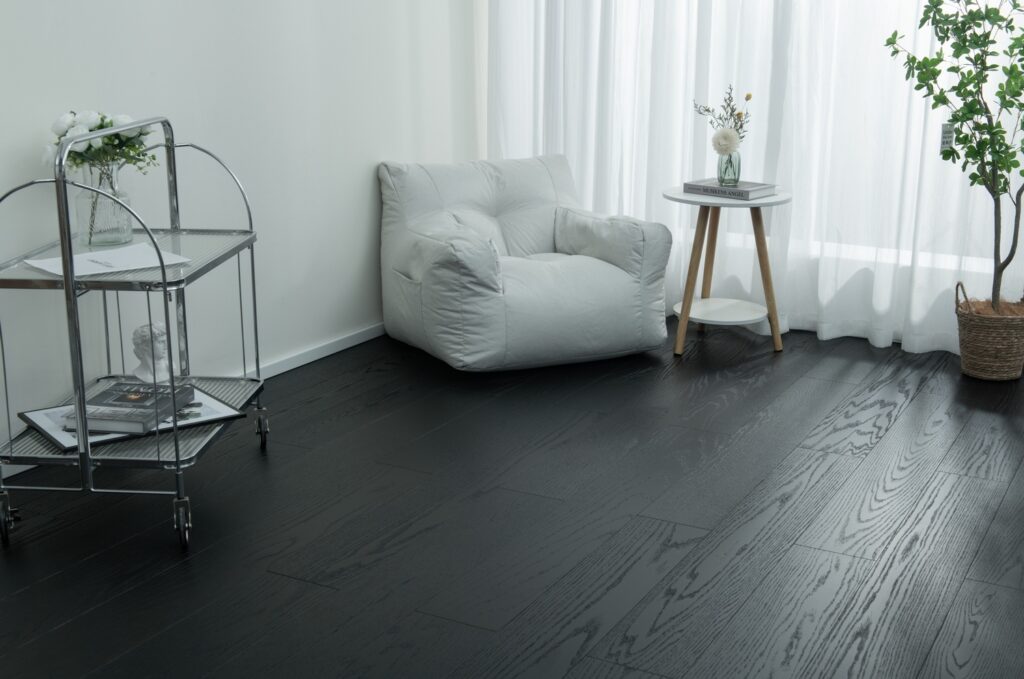
Inflation creates cascading cost surges for European B2B buyers importing custom parquet flooring and engineered wood flooring from China, covering raw timber, labor, ocean freight, compliance certification and cross-border logistics. Unmanaged cost volatility erodes wholesale profit margins, disrupts MOQ budgeting and forces unstable local retail pricing. As a leading OEM & ODM flooring manufacturer with over 15 years of export experience, Remettfloor ships more than 70,000 sqm of timber products annually and maintains stable cooperation with 400+ European clients including UK and German government suppliers and Australian hotel distributors. Our product portfolio includes 2-layer pine core, 3-layer poplar core and multilayer eucalyptus engineered flooring with hardwood veneers ranging from 1.2mm to 6mm, plus bespoke laser-cut custom parquet designs. This guide covers supplier price adjustment cycles, contractual price protection clauses, proven inflation cost-saving tactics and reliable timber pricing forecasting methods for B2B parquet importers.
Drawing from decades of cross-border flooring logistics data and widespread industry operational experience, we’ve compiled ten core practical takeaways to guide your parquet cost control during inflation. These insights cover price adjustment rules, contract protection, cost reduction and market trend forecasting for China-Europe timber shipments.
Table of Contents
- How often do Chinese suppliers adjust parquet prices during inflation?
- Can I include price protection clauses in parquet contracts?
- What cost-saving measures work for parquet imports during inflation?
- How do I forecast future parquet pricing trends?
1. How often do Chinese suppliers adjust parquet prices during inflation?
Inflation drives continuous rises in timber raw material, factory labor, energy and packaging costs, which push Chinese flooring manufacturers to revise export quotations on fixed cycles. The frequency of price adjustments varies based on inflation intensity, raw material volatility and seasonal production peaks. Under mild inflation (5%-10% annual cost growth), most factories like Remettfloor update parquet pricing on a quarterly basis, releasing revised quotation sheets every three months and providing 15–30 days advance written notice to all cooperative clients. During high inflation with sharp monthly timber cost hikes (over 10% year-on-year), suppliers shift to monthly price reviews, especially before pre-Chinese New Year and pre-Christmas production rushes when raw timber stockpiling demand surges. Small-scale flooring workshops without large material warehouses may issue emergency mid-cycle price increases without sufficient notice, while established manufacturers such as Remettfloor with a 20,000 sqm timber storage warehouse can lock in raw material costs in advance and extend quote validity periods for long-term contracted clients. Custom parquet with laser cutting and special veneers sees more frequent price tweaks than standard plain engineered flooring, as premium timber inputs fluctuate faster in inflationary markets.
2. Can I include price protection clauses in parquet contracts?
Formal price escalation and protection clauses are fully enforceable under China’s commercial trade rules and international Incoterms agreements, serving as core risk control tools for European B2B importers amid inflation. Multiple standardized clause types can be negotiated with suppliers like Remettfloor for annual MOQ framework contracts. Fixed-price lock clauses are the most straightforward protection solution. Buyers can negotiate a 3–12 month fixed unit price for agreed yearly order volumes; within the validity window, suppliers cannot raise parquet quotes even if timber and labor inflation rises. Cost cap escalation clauses set a maximum annual price adjustment threshold (typically 5%-8%). If raw material inflation exceeds the agreed percentage, both parties negotiate partial cost sharing instead of full price pass-through to importers. Raw material index linkage clauses tie parquet unit pricing to public timber market indices. When benchmark timber costs rise beyond a defined fluctuation range, adjustments are calculated proportionally with transparent supporting documents provided by the factory. Remettfloor supports embedding all three clause types into long-term supply contracts for hotel and government project buyers, with written advance notice obligations for any permitted price revisions and formal supplementary agreement requirements to confirm adjusted MOQ pricing.
3. What cost-saving measures work for parquet imports during inflation?
A mix of production optimization, logistics consolidation and long-term contract tactics effectively offset inflation-driven cost hikes on custom parquet and engineered wood flooring landed costs. Consolidate scattered small MOQs into full FCL container loads to cut per-square-meter ocean freight and terminal handling fees, which jump sharply during inflationary peak shipping seasons. Unified pallet dimensions also maximize container load utilization and reduce unit logistics expenditure. Simplify non-essential custom features: temporarily pause high-premium exclusive laser patterns and ultra-wide bespoke planks for mainstream retail inventory, retaining only low-cost custom finishes such as private label printing to maintain product differentiation without heavy cost uplifts. Sign annual volume commitment contracts with Remettfloor to access tiered bulk discounts and pre-locked raw material sourcing costs, insulating your parquet pricing from quarterly timber inflation surges. Arrange shipments in off-peak seasons (March-May, September) to avoid inflated peak freight surcharges before Chinese New Year and Christmas. Add standardized budget contingency lines of 4%-7% to all import budgets to absorb mild inflation cost swings without raising local retail prices. Switch to FOB terms instead of CIF/DDP to independently compare forwarder rates and cut bundled logistics markup fees charged by suppliers during inflation cycles.
4. How do I forecast future parquet pricing trends?
Accurate parquet price forecasting relies on tracking four core interconnected inflation drivers, allowing European importers to adjust MOQ timing and negotiate fixed-price contracts in advance. First, monitor global hardwood and eucalyptus log market indices. Rising import costs of raw timber into China are the primary trigger for engineered parquet price hikes, with quarterly timber supply reports indicating upcoming cost pressure for flooring manufacturers. Second, track China’s industrial labor, electricity and resin coating inflation data. Continuous wage and energy growth directly lift factory production overheads and trigger periodic supplier quote revisions. Third, follow international ocean freight market trends, as inflation amplifies carrier fuel surcharges and container shortage premiums that inflate total landed parquet costs. Fourth, review Remettfloor’s quarterly client market briefings and EU regulatory updates such as EUDR compliance fees. New certification costs passed on to buyers create hidden inflation expenses for timber imports. Combine these four data streams to forecast 3–12 month pricing cycles. When multiple indicators signal sustained cost growth, accelerate long-term fixed-price contract negotiations to lock in current parquet unit pricing before new supplier adjustments take effect.
Conclusion
Systematic parquet import cost management during inflationary periods is essential for all European B2B enterprises sourcing custom parquet and engineered timber from China. Mastering supplier price adjustment cycles, embedding enforceable price protection clauses in supply contracts, deploying multi-layered cost reduction tactics and tracking key market indicators to forecast pricing trends collectively mitigate inflation’s negative impact on landed costs, MOQ planning and wholesale profit margins. Partnering with an experienced manufacturer like Remettfloor delivers unique inflation risk advantages: our large 20,000 sqm raw material warehouse enables pre-stocking timber to stabilize production costs, we offer flexible price lock and cap clauses for annual framework agreements, and our dedicated logistics team provides off-peak shipment scheduling guidance to cut freight inflation overheads. Supported by 15+ years of cross-border export experience and annual shipment volume exceeding 70,000 sqm, we serve private-label retailers, hotel developers and government procurement contractors across Germany, the UK and France. Proactive inflation cost planning builds stable price competitiveness within the crowded European custom parquet wholesale market.
Core Practical Takeaways for Parquet Cost Control During Inflation
- Mild inflation triggers quarterly parquet price adjustments from large Chinese flooring manufacturers.
- Severe raw material inflation leads to monthly supplier quotation revisions for custom parquet.
- Fixed-price lock clauses can secure stable parquet unit rates for up to 12 months in long-term contracts.
- Cost cap escalation clauses limit annual parquet price hikes to a negotiated inflation threshold.
- Consolidating MOQs into full FCL loads reduces per-square-meter logistics inflation costs.
- Off-season parquet shipping avoids peak freight surcharges during inflationary cycles.
- Tracking global timber log indices is the primary method to forecast future parquet production pricing.
- Annual volume commitment contracts unlock tiered discounts to offset inflation-driven raw material costs.
- Simplifying high-cost custom features lowers overall parquet landed costs amid inflation.
- Labor and energy inflation in China directly accelerate periodic supplier price updates for engineered flooring.