


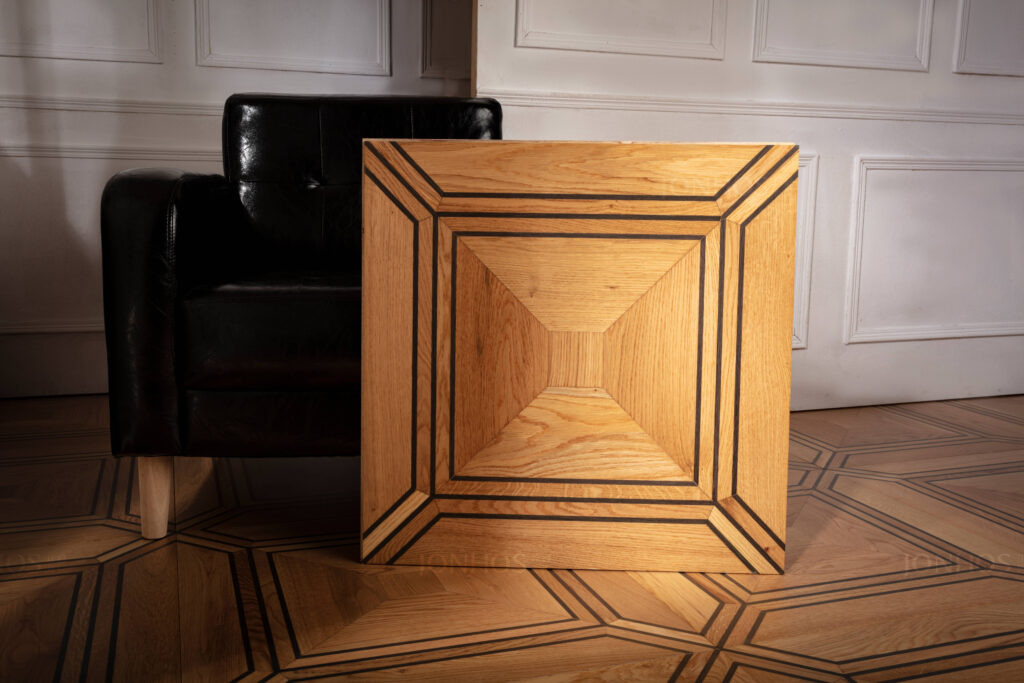
For B2B clients—including architects, property developers, and flooring distributors—understanding how engineered wood flooring is made is key to selecting the right product for commercial projects. Unlike solid hardwood, engineered wood combines natural wood beauty with enhanced durability, making it a popular choice for high-traffic spaces. But what exactly goes into its production? This guide breaks down the manufacturing process, highlighting the precision and innovation that define quality engineered wood flooring—with a focus on how Remettfloor’s craftsmanship sets it apart for B2B clients.
Engineered wood flooring is crafted through a layered process that fuses natural hardwood veneers with stable core materials, resulting in a product that resists warping and stands up to diverse climates. The manufacturing journey involves careful material selection, advanced bonding techniques, and rigorous quality checks—all of which determine the flooring’s performance in commercial settings. Remettfloor, a leader in engineered wood production, refines this process to deliver consistent, high-quality flooring tailored to B2B project needs.
In the sections below, we’ll explore the step-by-step manufacturing process of engineered wood flooring, the key factors that influence its quality, and how Remettfloor’s production standards benefit B2B clients. This insight will help you make informed decisions when specifying flooring for your next project.
Table of Contents
- What Are the Key Stages in Manufacturing Engineered Wood Flooring?
- What Factors Influence the Quality of Engineered Wood Flooring?
- How Does Remettfloor’s Manufacturing Process Elevate Engineered Wood Flooring?
What Are the Key Stages in Manufacturing Engineered Wood Flooring?
The production of engineered wood flooring involves several precise stages, each contributing to the final product’s durability, appearance, and performance. Understanding these stages helps B2B clients appreciate what sets high-quality flooring apart.
The process begins with raw material selection. Manufacturers source hardwood logs (such as oak, walnut, or maple) for the decorative veneer layer, ensuring the wood is sustainably harvested and free from defects like knots or splits. For the core, layers of plywood, high-density fiberboard (HDF), or softwood are chosen for their stability—these materials form the structural base that resists moisture and movement.
Next, the hardwood logs are processed into veneers. Using a precision slicing machine, the logs are peeled into thin sheets (typically 0.6–6mm thick) that retain the wood’s natural grain pattern. This veneer is then dried to reduce moisture content to 6–10%, a critical step to prevent shrinking or swelling after installation. The core layers are also dried and cut to size, ready for bonding.
Bonding the layers is the next stage. The core layers are stacked in alternating grain directions—this cross-grain construction counteracts expansion, adding stability. Adhesives (often water-based or polyurethane) are applied between layers, which are then pressed together under high heat and pressure to create a solid bond. The hardwood veneer is then glued to the top of the core, forming the finished plank structure.
After bonding, the planks undergo milling to create tongue-and-groove edges, allowing for seamless installation. The final step is applying finishes: stains (to enhance color), sealants (to protect against moisture), and topcoats (such as UV-cured lacquer or oil) to add scratch resistance. Each plank is then inspected for quality before being packaged for shipment.
What Factors Influence the Quality of Engineered Wood Flooring?
The quality of engineered wood flooring is shaped by several key factors, each of which impacts its performance in commercial environments. B2B clients must consider these factors to ensure the flooring meets their project’s demands.
Veneer thickness is a primary factor. Thicker veneers (3–6mm) allow for sanding and refinishing, extending the flooring’s lifespan—ideal for high-traffic B2B spaces like hotels or offices. Thinner veneers (0.6–2mm) are more cost-effective but offer limited refinishing options, suited for low-traffic areas. Reputable manufacturers clearly specify veneer thickness, helping clients align their choice with project needs.
Adhesive quality directly affects durability. High-grade adhesives (such as formaldehyde-free options) create strong bonds that resist heat and moisture, preventing delamination. Poor adhesives can lead to layers separating over time, especially in humid environments—a risk B2B clients in tropical regions must avoid. Certifications like CARB Phase 2 (low emissions) indicate safe, high-quality adhesives.
Core material selection is critical for stability. Plywood cores, made from cross-laminated softwood layers, offer excellent moisture resistance and strength, making them suitable for diverse climates. HDF cores provide a smoother surface but may be less flexible. The number of core layers (typically 3–7) also matters—more layers enhance stability, a key consideration for large commercial spaces with varying temperature zones.
Finish quality determines the flooring’s resistance to wear. UV-cured lacquers create a hard, scratch-resistant surface ideal for busy retail spaces, while oiled finishes offer a natural look but require more maintenance. The number of finish coats (3–5) and the use of additives (like aluminum oxide) further boost durability, ensuring the flooring retains its appearance under heavy foot traffic.
How Does Remettfloor’s Manufacturing Process Elevate Engineered Wood Flooring?
Remettfloor’s manufacturing process is designed to produce engineered wood flooring that meets the rigorous demands of B2B clients, combining advanced technology with meticulous craftsmanship to deliver superior quality.
At the heart of Remettfloor’s process is sustainable material sourcing. The brand uses FSC-certified hardwood for veneers, ensuring responsible forestry practices—aligning with B2B clients’ sustainability goals. Each log is inspected for quality, with only 15% of harvested wood meeting their standards for veneer production, ensuring a premium decorative layer.
Remettfloor’s bonding stage sets it apart. The brand uses a proprietary, formaldehyde-free adhesive that achieves a bond strength 30% higher than industry standards, preventing delamination even in humid environments. The cross-grain core (typically 5 layers of plywood) is pressed at 120°C under 1000psi pressure, creating a stable base that resists warping—a feature critical for B2B projects in regions with temperature fluctuations.
Veneer processing at Remettfloor emphasizes precision. The brand offers veneer thicknesses from 2mm to 6mm, with the 4mm option being popular for B2B clients seeking both durability and refinishing capability. Each veneer is sanded to a smooth finish before bonding, ensuring the final plank has a consistent, high-quality surface that accepts stains evenly.
Finishing at Remettfloor is tailored to B2B needs. The brand offers a range of finishes, including a 5-coat UV-cured lacquer with aluminum oxide additives for high-traffic areas, and natural oil finishes for a rustic aesthetic. Clients can also request custom stains to match brand colors, with color consistency guaranteed across bulk orders—a key benefit for large commercial projects requiring uniform flooring.
Quality control is integrated into every stage. Remettfloor conducts 18 in-line inspections, from moisture testing (ensuring veneer and core moisture levels match) to finish hardness checks. Each batch undergoes a 72-hour climate test, simulating extreme temperatures and humidity to verify stability. This rigor ensures that Remettfloor’s engineered wood flooring consistently meets B2B clients’ expectations for performance and longevity.
Conclusion
Engineered wood flooring’s manufacturing process—from material selection to finishing—directly impacts its quality and suitability for commercial projects. For B2B clients, understanding these stages helps identify flooring that will stand up to high traffic, diverse climates, and long-term use.
Remettfloor’s commitment to precision, sustainability, and B2B-focused quality ensures its engineered wood flooring exceeds industry standards. By prioritizing stable cores, strong bonding, and durable finishes, the brand delivers products that enhance commercial spaces while minimizing maintenance costs.
Explore Remettfloor’s engineered wood flooring collection and learn more about their manufacturing standards at http://www.remettfloor.com. Choose flooring made with the expertise to elevate your next B2B project.