


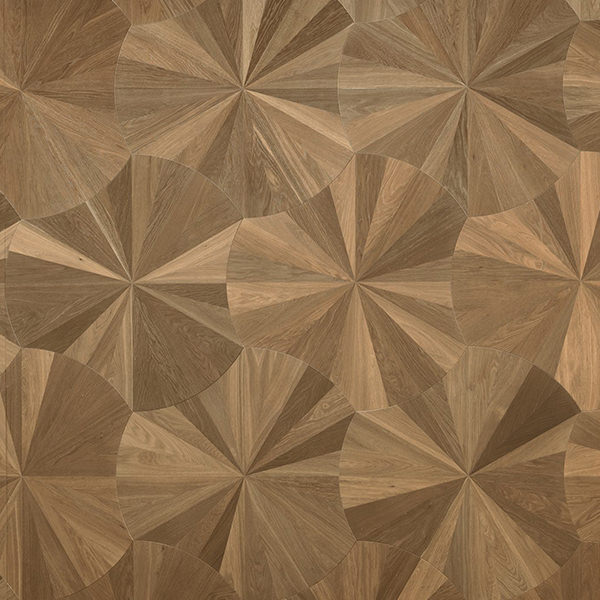
Leveraging advanced manufacturing capabilities, Chinese suppliers can transform unique design visions into precisely engineered parquet flooring patterns that meet specific architectural requirements.
The creation of custom pattern parquet represents one of the most technically sophisticated services offered by Chinese flooring manufacturers, combining traditional craftsmanship with computer-aided design and precision machining. For B2B clients seeking distinctive flooring solutions, this capability enables the realization of unique architectural visions while maintaining the practical advantages of engineered wood flooring. The process involves multiple specialized stages, from digital design interpretation to precise component manufacturing and meticulous installation planning, each requiring specific expertise and equipment.
Successful custom pattern development depends on effective collaboration between client design teams and manufacturing specialists, with clear communication protocols and technical feasibility assessments guiding the transformation of conceptual designs into producible flooring systems. By understanding the complete custom pattern workflow, importers can navigate this specialized procurement category with realistic expectations regarding technical possibilities, cost structures, and timeline requirements.
Table of Contents
- What file formats do I need for custom parquet pattern designs?
- How many pattern revisions are allowed before parquet production?
- What’s the MOQ for custom pattern parquet flooring orders?
- How long does pattern approval take for custom parquet?
1. What file formats do I need for custom parquet pattern designs?
Providing design files in appropriate formats represents the critical first step in translating conceptual patterns into manufacturable parquet flooring, with specific technical requirements ensuring accurate interpretation and production.
Technical File Requirements
Chinese manufacturers typically require vector-based design files that maintain precision at various scales, with specific formats serving different purposes in the production workflow. CAD files (DWG, DXF) provide the foundation for technical manufacturing, containing precise measurements, angles, and component relationships essential for CNC machining programming. Vector graphics (AI, EPS, PDF) support visual representation with scalable precision, particularly valuable for complex geometric patterns and branding elements integrated into flooring designs. Raster images (JPEG, PNG, TIFF) at high resolution (minimum 300 DPI) serve as visual references but cannot drive direct manufacturing without vector conversion. 3D model files (SKP, 3DS) may be requested for complex multidimensional patterns where height variations or layered elements require spatial understanding beyond flat representations.
Design Preparation Best Practices
Optimizing design files for parquet production involves several preparatory steps that streamline the manufacturing process. Layer organization within CAD files should logically separate different pattern elements, wood species indications, and dimensional annotations. Scale specification must be clearly stated, with 1:1 scale preferred for accurate manufacturing interpretation. Color coding can distinguish intended wood species or finishing treatments when these elements are integral to the design concept. Tolerance indications should accompany critical dimensions, particularly for patterns requiring precise interlocking components. Reference markings help maintain orientation and repetition sequencing in large-scale patterned installations. Remett Floor provides clients with comprehensive design guideline documentation and template files that streamline the design submission process while minimizing interpretation errors during manufacturing preparation.
2. How many pattern revisions are allowed before parquet production?
The pattern development process typically incorporates structured revision cycles that balance design refinement with project feasibility, with the specific number of revisions dependent on order value and complexity.
Revision Framework Structure
Most manufacturers establish clear revision parameters within their project agreements, defining both included revisions and procedures for additional changes. Standard packages typically include 2-3 comprehensive revision cycles within the development fee, allowing for dimensional adjustments, pattern refinements, and jointing system modifications. Minor versus major revisions are often distinguished, with minor changes (substituting wood species, adjusting surface treatment) receiving more flexibility than major revisions (fundamental pattern restructuring, component re-engineering). Scope limitation defines what constitutes a revision versus a new design, particularly important when proposed changes fundamentally alter manufacturing requirements. Timing considerations influence revision allowances, with changes requested after production engineering completion typically treated differently than those during initial development phases.
Revision Process Optimization
Effective navigation of the revision process preserves project momentum while ensuring design objectives are fully realized. Consolidated feedback gathered from all decision-makers before each revision submission prevents contradictory requests and repetitive cycles. Prototype evaluation using physical samples often resolves design questions more effectively than digital representations alone, particularly regarding wood grain interaction within patterns. Technical feasibility consultation during revision planning identifies potential manufacturing challenges before they become costly production issues. Approval delegation establishing clear authority streams prevents organizational bottlenecks during revision cycles. Remett Floor structures revision processes with transparent communication at each stage, providing technical guidance during design refinement to ensure proposed patterns balance aesthetic vision with manufacturing practicality.
3. What’s the MOQ for custom pattern parquet flooring orders?
Minimum order quantities for custom pattern parquet reflect the specialized nature of these productions, with requirements varying according to pattern complexity, manufacturing methodology, and wood species selection.
MOQ Determination Factors
Several technical and economic considerations influence MOQ requirements for custom pattern projects. Pattern complexity significantly impacts MOQ, with simple repetition patterns (herringbone, chevron) typically starting around 300m² while intricate custom designs may require 500-800m² minimums. Manufacturing methodology influences practical minimums, with CNC-based production generally accommodating smaller custom runs than traditional methods requiring specialized jigs and fixtures. Wood species selection affects MOQ through material availability considerations, with rare species or mixed-species patterns often commanding higher minimums. Component standardization within custom patterns can reduce MOQ requirements by utilizing standard dimensional elements in unique configurations. Setup cost allocation across the order quantity fundamentally drives MOQ calculations, with manufacturers seeking to maintain economic viability despite specialized setup requirements.
MOQ Negotiation Strategies
Several approaches can make custom pattern projects feasible despite MOQ considerations. Pattern family development creating coordinated designs that share manufacturing setups can distribute costs across multiple projects. Phased ordering scheduling production across multiple shipments while maintaining identical specifications can meet manufacturing minimums while accommodating project timelines. Standardization opportunities identifying elements that can utilize existing tooling or component libraries reduces specialized setup requirements. Portfolio consideration evaluating the custom pattern’s potential for repeat business or catalog inclusion sometimes justifies reduced MOQ for strategic relationships. Remett Floor works collaboratively with clients to develop MOQ solutions that acknowledge both manufacturing economics and project realities, often identifying creative approaches that make custom pattern projects feasible across various order scales.
4. How long does pattern approval take for custom parquet?
The pattern approval timeline encompasses multiple stages from initial design submission to manufacturing authorization, with duration dependent on design complexity, communication efficiency, and sample requirements.
Approval Process Phases
A comprehensive pattern approval process typically progresses through several defined stages, each contributing to the overall timeline. Technical review examining manufacturing feasibility typically requires 3-5 business days, identifying potential production challenges and recommending modifications. Quotation development translating approved designs into detailed pricing generally spans 2-4 business days, accounting for material, labor, and specialized tooling requirements. Sample production creating physical representations of the custom pattern typically represents the longest phase, requiring 10-15 business days depending on complexity and current production schedule. Sample evaluation and feedback integration typically spans 5-7 business days, allowing thorough assessment and collaborative refinement. Final documentation preparation including technical data sheets and installation guidelines generally requires 2-3 business days before production authorization.
Timeline Optimization Approaches
Several strategies can streamline the approval process without compromising thoroughness. Pre-engagement consultation before formal design submission identifies potential manufacturing challenges early, reducing revision cycles. Digital prototyping utilizing advanced visualization tools can resolve fundamental design questions before physical sample production. Clear decision-making authority established within the client organization prevents approval delays from internal consensus-building. Structured feedback protocols ensuring comprehensive, consolidated input at each review stage prevent fragmented responses that extend timelines. Parallel processing of non-dependent approval elements, such as packaging design alongside pattern finalization, can compress overall schedules. Remett Floor maintains structured approval workflows with clear milestone definitions and responsibility assignments, providing clients with realistic timeline projections while maintaining flexibility to accommodate project urgency when necessary.
Conclusion
The creation of custom pattern parquet flooring represents a collaborative endeavor between design vision and manufacturing expertise, requiring clear communication protocols and structured development processes. Successful custom pattern projects balance creative ambition with technical feasibility, recognizing that manufacturability, installation practicality, and economic viability are equally important to visual impact. Understanding the complete custom pattern workflow—from digital file preparation through final production approval—enables B2B clients to navigate this specialized procurement category with confidence and realistic expectations.
Remett Floor’s extensive experience with custom pattern development supports clients in transforming distinctive design concepts into manufacturable flooring solutions, providing technical guidance throughout the process while maintaining commitment to design integrity and quality execution. Our structured development workflow ensures efficient progression from concept to production while accommodating the refinement and validation necessary for successful custom pattern realization.
Are you preparing a custom parquet pattern project and seeking a manufacturing partner with the technical expertise to faithfully translate your design vision into precision-engineered flooring?