
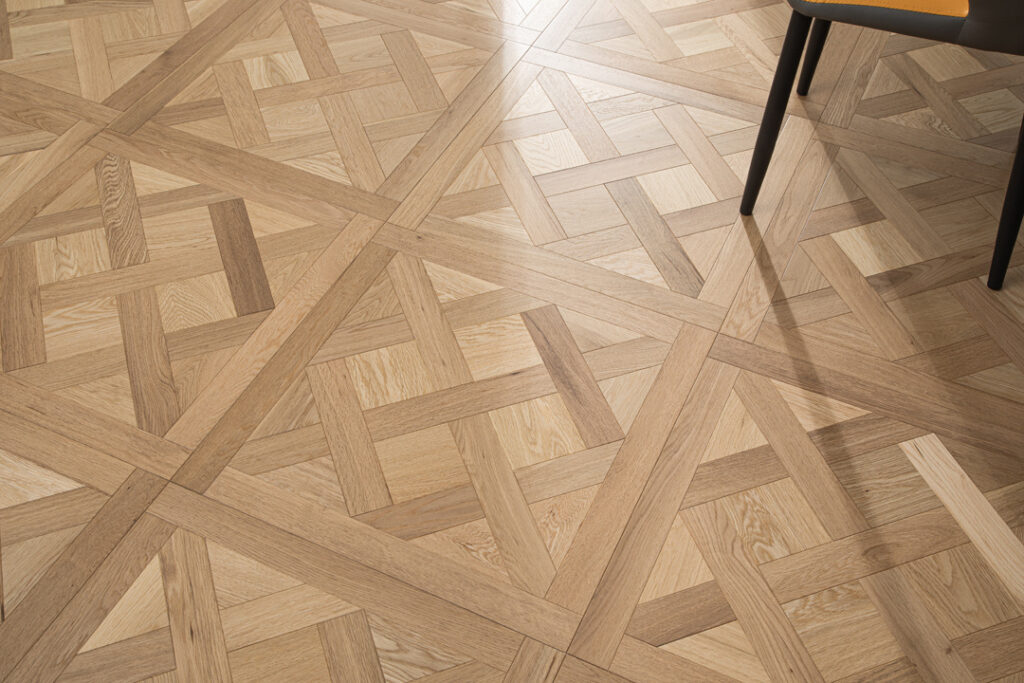
For B2B clients in the flooring supply chain—whether distributors, contractors, or project managers—clarifying the nature of engineered wood floors is critical. Misunderstandings about whether these products qualify as “real wood” can impact everything from marketing messaging to client trust, especially when pitching to end-users like commercial developers or retail chains. In an industry where authenticity and material integrity matter, getting this right is key to successful partnerships.
At Remettfloor, a 15-year veteran in manufacturing engineered wood flooring, we’ve guided countless B2B partners through this question. Our products, which include 2-layer, 3-layer, and multilayer engineered flooring, are crafted with genuine hardwood surfaces, making them rooted in real wood—while offering enhanced performance that pure solid wood often can’t match. This balance of authenticity and practicality is why 400+ long-term clients rely on us for consistent, marketable flooring solutions.
To help B2B clients confidently position engineered wood floors in their portfolios, we’ll break down their composition, how they compare to solid wood, and why their “real wood” status matters for your business.
Table of Contents
- What are the core components of engineered wood floors?
- How do engineered wood floors differ from solid wood floors?
- Why does the “real wood” status of engineered floors matter for B2B operations?
What are the core components of engineered wood floors?
Engineered wood floors are not 100% solid wood, but they are undeniably rooted in real wood—and this distinction is key. At their core, these products combine layers of wood to balance authenticity with durability, starting with a top layer of genuine hardwood.
At Remettfloor, our engineered flooring structures all prioritize real wood in their design:
- 2 Layer Engineered Flooring: Features a 2-4mm top layer of hardwood (like oak or maple) paired with a pine core.
- 3 Layer Engineered Flooring: Includes a 3-4mm hardwood top layer, a pine or poplar core, and a stabilizing backing layer.
- Multilayer Engineered Flooring: Uses a 1.2-6mm hardwood top layer with an eucalyptus core for added stability.
This top layer is sourced from natural logs, milled to preserve the unique grain, texture, and warmth of real wood. It’s not a synthetic imitation—every knot, grain pattern, and color variation comes from the original tree. The underlying layers, while often made from softer woods or plywood, exist to support the hardwood surface, not replace it. This means engineered wood floors contain real wood as a critical, visible component.
How do engineered wood floors differ from solid wood floors?
Understanding the difference between engineered and solid wood floors helps B2B clients set accurate expectations for their own customers. Solid wood floors are crafted from a single piece of hardwood, making them 100% real wood. Engineered wood floors, by contrast, use a layered construction—but their top layer is still genuine hardwood, making them “real wood” in a functional, visible sense.
The key distinction lies in performance, not authenticity. Solid wood is prone to expanding or contracting with humidity and temperature changes, which can lead to warping in commercial spaces like hotels or shopping malls. Engineered wood floors, thanks to their layered design, resist these shifts. Remettfloor enhances this stability further through precision milling and adhesive technology, ensuring our products perform reliably in high-traffic or moisture-prone environments—without sacrificing the real wood look and feel.
For B2B clients, this means engineered wood floors offer the best of both worlds: the authenticity of real wood that end-users demand, plus the durability that makes them suitable for large-scale projects.
Why does the “real wood” status of engineered floors matter for B2B operations?
For B2B partners, the “real wood” component of engineered floors is more than a material fact—it’s a business asset. End-users, from architects to property managers, often seek the aesthetic and perceived value of wood. Being able to confirm that the flooring’s visible surface is genuine hardwood strengthens your pitch, builds trust, and justifies pricing.
Remettfloor supports B2B clients in leveraging this authenticity. We provide detailed material certificates that verify the origin of our hardwood top layers, helping you transparently communicate with your customers. Additionally, our customization options—including choosing hardwood species, finishes, and textures—let you align the “real wood” element with market demands, whether that’s trending oak grains or sustainable teak alternatives.
Moreover, the real wood component makes engineered floors easier to refinish (when the top layer is thick enough), adding to their lifecycle value. This is a selling point for commercial clients looking to maximize long-term investments—something Remettfloor emphasizes in our client partnerships by offering 3-4mm top layers that support multiple refinishing cycles.
Conclusion
Engineered wood floors are indeed real wood—defined by their genuine hardwood top layers, which deliver the authenticity end-users crave. For B2B clients, this means they can confidently market these products as wood flooring, while leveraging their enhanced durability for diverse projects.
Remettfloor’s 15 years of expertise in crafting engineered wood floors ensures that every product balances real wood authenticity with performance, backed by rigorous quality control and customization support. Whether you’re supplying to retail chains, hospitality projects, or property developers, our engineered floors let you meet both aesthetic and practical demands.
Partner with Remettfloor to offer your clients flooring that’s real wood in every sense that matters—authentic, reliable, and market-ready. Contact us today to explore our 2-layer, 3-layer, and multilayer solutions.