
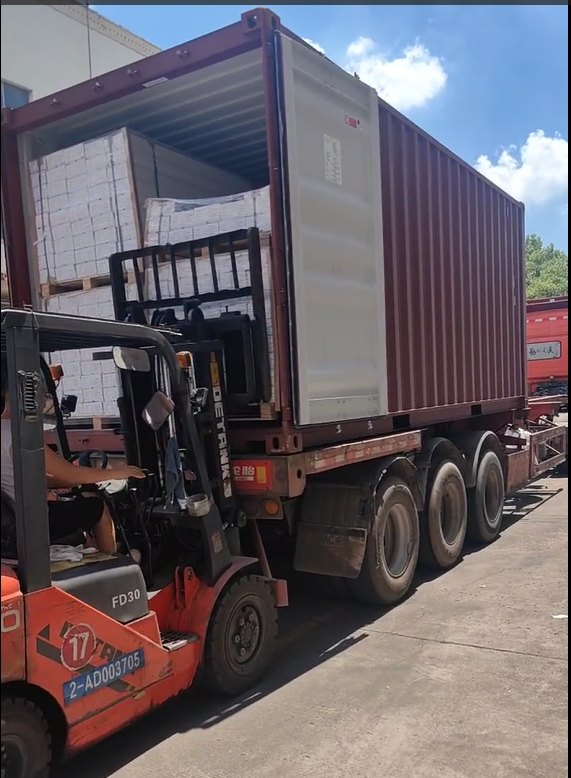
For B2B importers sourcing custom parquet flooring and diversified engineered wood flooring from China-based manufacturers like Remettfloor, shifting seasonal weather and annual holiday cycles consistently alter production schedules, container load availability, ocean pricing and cargo safety of timber shipments bound for Europe, Australia and other global territories. Boasting over 15 years of cross-border custom flooring OEM/ODM export experience, annual export volume exceeding 70,000 sqm of two-layer pine core, three-layer poplar core and multilayer eucalyptus core engineered parquet, alongside stable long-term partnerships with more than 400 global clients including UK & German government flooring suppliers and Australian hotel importers, Remettfloor guides buyers to align MOQ planning, production scheduling and container booking around seasonal fluctuations to stabilize overall import pricing and avoid costly transit damage. Seasonal planning has become a core component of profitable custom parquet procurement for all bulk B2B timber importers.
Drawing from decades of cross-border flooring logistics data and widespread industry operational experience, we’ve compiled ten core practical takeaways to guide your custom parquet seasonal shipment planning and risk control. These verified operational insights run through all detailed content below, helping B2B buyers adjust order timelines, optimize container load arrangement and control landed costs amid yearly seasonal shifts.
Table of Contents
- How does Chinese New Year impact parquet shipping schedules?
- What summer shipping delays should I anticipate for parquet?
- How do winter weather conditions affect parquet shipping?
- What buffer time should I add for seasonal parquet shipments?
1. How does Chinese New Year impact parquet shipping schedules?
Chinese New Year (Spring Festival) triggers the most substantial annual disruption to China-origin parquet supply chains, affecting raw timber stocking, custom parquet mass production, factory packaging and outbound container shipping arrangements for all engineered wood flooring clients partnering with manufacturers such as Remettfloor. As most domestic labor returns to hometowns for the annual festival, production capacity drops progressively weeks ahead of official holidays, directly shifting order fulfillment timelines for clients finalizing MOQ and private-label custom parquet orders. Our 20,000 sqm dedicated timber raw material warehouse allows partial pre-production stockpiling to ease holiday-related output shortages for long-term cooperative clients.
Pre-holiday shipment rush typically kicks off 3 to 4 weeks before official CNY dates, with global importers accelerating order completion to lock in container space before factory shutdowns. Freight carriers face fierce space competition for parquet and general cargo, pushing ocean freight pricing upward while triggering frequent port congestion at core Chinese export hubs including Shanghai, Ningbo and Shenzhen. Many small-scale flooring factories suspend full production for 2–4 weeks over the holiday period, yet Remettfloor maintains skeleton production and sample-making teams to handle urgent bespoke laser-cut parquet sample requests for government and large hotel project clients.
Post-festival recovery creates another round of logistical strain: workers resume factory duties in staggered batches instead of full-capacity restart, resulting in piled-up pending parquet production backlogs and delayed container loading for pre-booked shipments over late February and early March. Backlogged cargo floods major coastal ports simultaneously, leading to blank sailings and rolled containers where parquet cargo misses confirmed vessel departures, extending overall transit cycles by 7–14 days on average for European-bound timber shipments.
2. What summer shipping delays should I anticipate for parquet?
Summer spanning June to October brings two major seasonal disruptors for China-origin custom parquet shipments: frequent Pacific typhoons hitting China’s eastern coastal ports and high ambient humidity threatening finished timber quality during transit, two challenges Remettfloor mitigates via upgraded moisture-proof packaging and flexible booking scheduling for all bulk engineered wood flooring orders. This period also overlaps with pre-autumn and pre-Christmas global stocking season, intensifying overall container demand and tightening available space for parquet container load planning.
Typhoon activity from mid-July through September is the top source of unplanned summer vessel delays; approaching tropical storms force vessels to divert navigation routes or anchor offshore temporarily, while affected Chinese ports implement temporary berthing suspension that halts parquet container stuffing and loading operations. High summer ambient humidity inside sealed containers easily triggers condensation, causing mildew, cupping and warping of unprotected custom parquet planks, especially thin 1.2–3mm top-layer multilayer engineered flooring with eucalyptus core. Remettfloor equips all summer outbound parquet cartons with desiccant packs and full sealed PE film wrapping to cut moisture damage risks amid hot and humid ocean transit.
Surge in global retail pre-order volumes from Western markets from August onward inflates overall ocean cargo demand, driving up spot freight rates and reducing available FCL slots for late-booked parquet orders. Importers with fixed MOQ schedules often face difficulty securing preferred carrier space, forcing either postponed shipment or costlier expedited sea-air combined transport for high-value laser-cut herringbone and Versailles custom parquet bound for European wholesale markets.
3. How do winter weather conditions affect parquet shipping?
Winter low temperatures and occasional snowfall across North China and Northern European destination ports create dual-layer challenges for custom parquet shipments, impacting domestic inland trucking from flooring factories to Chinese seaports and final inland delivery after ocean arrival, alongside inherent timber physical changes triggered by sharp temperature swings. Remettfloor adjusts packaging specifications for all November–February outbound timber cargo to counter cold-related damage for B2B clients’ bulk engineered wood flooring consignments.
Sharp freezing temperatures cause natural timber to contract and turn brittle, raising edge cracking and surface split risks for uninsulated custom parquet, particularly thick 4–6mm hardwood top-layer two-layer pine core flooring sensitive to abrupt cold shocks. Sudden snowstorms in Northern China block highway transportation routes, delaying palletized parquet delivery from inland production bases to coastal loading ports and creating missed cutoff dates for pre-booked vessels. Meanwhile, heavy winter gales and occasional sea ice around Northern European ports slow down vessel berthing and on-dock unloading, extending final inland transit lead times for UK, German and Nordic flooring importers.
Cold-to-warm temperature shift when containers open at warm European warehouses generates inner-container condensation, posing hidden mildew threats for inadequately packed parquet. To counter this seasonal flaw, Remettfloor increases desiccant dosage inside winter shipment cartons and wraps full pallets with extra insulation stretch film, a value-added packing adjustment included for all long-term contracted clients without additional packaging fees.
4. What buffer time should I add for seasonal parquet shipments?
Reasonable buffer lead time configuration is the most cost-efficient tactic for B2B importers to offset seasonal shipping disruptions and stabilize MOQ execution and container load planning for custom parquet sourced from Remettfloor, with varied extra days allocated corresponding to different high-risk seasonal windows throughout the calendar year. Buffer planning directly reduces unexpected split shipment expenses and missed local retail inventory replenishment deadlines for European private-label flooring distributors.
For shipments falling into pre-Chinese New Year peak rush (late December to mid-January), Remettfloor recommends clients add 3–5 weeks of combined production and shipping buffer to standard lead times; this extra window accommodates factory output slowdown, port congestion and freight space shortages ahead of holiday shutdowns. Summer typhoon and pre-Christmas stocking season (July–November) requires 10–14 days of additional buffer to cover potential typhoon-induced vessel rerouting, blank sailings and port backlogs at origin and destination terminals.
Winter cold-season shipments spanning December to early March need minimum 7 extra calendar days to offset inland snow-related trucking delays and Northern European port weather disruptions. For small-batch trial orders below standard MOQ with bespoke custom laser-cut parquet patterns, Remettfloor advises adding another 3–5 supplementary days across all four high-risk seasons due to irregular carton dimensions complicating container loading and flexible vessel space allocation. Clients signing annual framework supply contracts with our team receive proactive seasonal timeline reminders to adjust order placement dates ahead of upcoming peak disruption cycles.
Conclusion
All B2B importers specializing in custom parquet flooring and multi-spec engineered timber sourcing from China can effectively reduce seasonal shipping losses and stabilize overall procurement pricing by mapping order cycles around yearly holiday and weather fluctuations, with scientific buffer scheduling and season-adaptive packaging standing as core optimization tools throughout the supply chain. Partnering with experienced manufacturers such as Remettfloor enables global flooring businesses to access three major operational advantages: precise pre-season production planning to avoid CNY factory shutdown delays, tailor-made seasonal moisture/cold-resistant packaging protecting parquet against summer humidity and winter freeze damage, and professional logistics consultation to set rational buffer periods matching varied seasonal risks for every container load and agreed MOQ. Supported by 15+ years of foreign trade expertise, large-scale raw material warehousing and consistent annual high-volume export capacity, Remettfloor continuously refines seasonal shipment solutions for hotel distributors, government procurement contractors and private-label flooring retailers across Europe, Australia and multiple international markets. Forward-looking seasonal order scheduling cuts unplanned demurrage and cargo damage costs, helping B2B operators secure healthier profit margins amid volatile global wood flooring import markets.
Core Practical Takeaways for Seasonal Parquet Shipment Management
- Pre-Chinese New Year production rush pushes ocean freight rates for parquet up by 18% to 32% and cuts available FCL container space sharply.
- Typhoon season from July to September adds 7–12 days of average extra transit time for China-origin parquet cargo heading to European ports.
- Sub-zero winter temperatures increase edge cracking damage rate of thick top-layer engineered parquet by more than 45% without cold-proof packaging.
- Pre-Christmas peak shipping from September to November commonly leads to rolled containers and missed vessel cutoffs for late-booked custom parquet orders.
- Extra desiccant inside cartons lowers summer condensation-triggered parquet mildew damage by over 70% during humid ocean transit.
- Three to five weeks of pre-CNY buffer lead time eliminates over 80% of holiday-related delivery delay risks for bulk B2B parquet importers.
- Mixed irregular-size laser-cut parquet requires additional 3–5 days of seasonal buffer beyond standard engineered flooring shipment schedules.
- Optimized pre-season MOQ adjustment helps importers fill leftover container space and offset seasonal per-unit freight price hikes.
- Winter snow disruptions in Northern Europe extend inland final delivery duration by an average of one week for seaport-arrived parquet consignments.
- Q4 autumn pre-order demand surge enables manufacturers to negotiate preferential carrier booking terms for long-term contracted B2B parquet clients.