
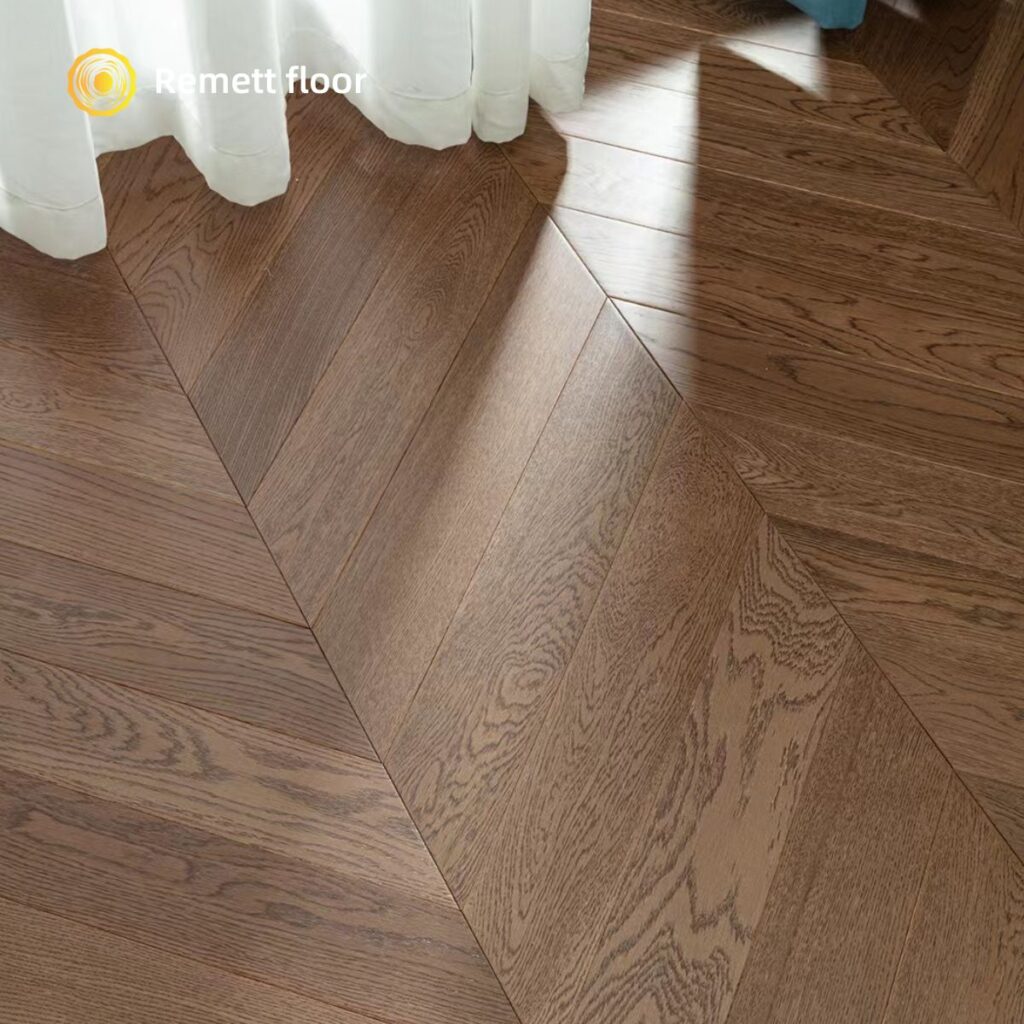
Seasonal changes, traditional holidays and shifting weather patterns exert profound influences on production schedules, container availability, cargo safety and overall logistics costs for custom parquet flooring and engineered wood flooring shipped from China to Europe. As a professional manufacturer with over 15 years of experience in custom wood flooring production and export, Remettfloor ships more than 70,000 square meters of timber products annually, maintaining stable partnerships with over 400 global clients including government suppliers and hotel importers across the UK, Germany and Australia. Our product lineup covers two-layer pine core, three-layer poplar core and multilayer eucalyptus core engineered flooring with hardwood top layers ranging from 1.2mm to 6mm. Understanding seasonal rules helps European B2B buyers reasonably arrange orders, adjust MOQ and container load plans, and control long-term procurement pricing effectively.
Drawing from decades of cross-border flooring logistics data and widespread industry operational experience, we’ve compiled ten core practical takeaways to guide your seasonal parquet shipment planning and risk mitigation. These insights run through the full content below, helping you tackle holiday disruptions, weather-related delays and cargo quality risks throughout the year.
Table of Contents
- How does Chinese New Year impact parquet shipping schedules?
- What summer shipping delays should I anticipate for parquet?
- How do winter weather conditions affect parquet shipping?
- What buffer time should I add for seasonal parquet shipments?
1. How does Chinese New Year impact parquet shipping schedules?
Chinese New Year is the most influential annual event for China’s export supply chain, bringing comprehensive disruptions to custom parquet production, inland transportation, port operations and ocean shipping. Most factory workers take extended holidays, leading to reduced production capacity or full shutdowns, which directly affect the delivery cycle of engineered wood flooring for European B2B clients. Remettfloor arranges skeleton teams for sample production and urgent order processing during the holiday to minimize impacts on long-term cooperative partners.
The disruption cycle of Chinese New Year lasts far beyond the official holiday week. Three to four weeks before the festival, a massive pre-holiday shipping rush emerges. Importers rush to complete orders, resulting in tight container space, surging ocean freight rates and severe congestion at major ports such as Shanghai and Ningbo. Many small flooring factories suspend production for 2 to 4 weeks, while our 20,000-square-meter material warehouse supports pre-production stockpiling to ensure partial order delivery. After the holiday, workers return in batches, creating production backlogs that lead to blank sailings and rolled containers, extending the overall transit time of parquet shipments to Europe.
For OEM and ODM custom parquet with personalized laser cutting patterns, the impact is more obvious. Extended production cycles caused by labor shortages will postpone sample confirmation and mass production. Meanwhile, reduced working hours of customs and logistics companies further slow down document processing and container loading. European importers need to advance order placement and communicate with suppliers in advance to adjust MOQ and delivery plans, avoiding stock shortages in local markets.
2. What summer shipping delays should I anticipate for parquet?
Summer in China, spanning from June to October, features frequent typhoons, high temperature and high humidity, which are major causes of shipping delays and timber quality risks for cross-border parquet. This period also overlaps with the global pre-Christmas stocking season, pushing up overall cargo volume and exacerbating container shortages and port congestion. All these factors pose dual challenges to the schedule and quality of engineered wood flooring shipments.
Typhoons active from July to September are the primary cause of unplanned delays. Approaching tropical storms force vessels to alter routes or anchor offshore, while coastal ports temporarily suspend loading and unloading operations, directly holding up palletized parquet container shipments. High humidity inside sealed containers easily leads to condensation, causing mildew, warping and cupping of natural timber flooring, especially thin top-layer multilayer engineered parquet. Remettfloor adopts full PE film wrapping and sufficient desiccant packs for all summer shipments to strengthen moisture resistance.
The booming pre-Christmas demand from August intensifies competition for container space. Late bookings often fail to secure ideal sailings, and some parquet shipments have to wait for multiple cycles. Irregular laser-cut custom parquet takes up more container space, making it harder to arrange loading. Rising spot freight rates also increase the landed cost of products. Importers are advised to complete container booking ahead of schedule and prioritize high-value custom flooring for shipment to reduce losses from delays.
3. How do winter weather conditions affect parquet shipping?
Winter low temperatures, snow and strong winds affect both inland transportation in China and port operations in Northern Europe, bringing unique risks to parquet shipping. Natural timber is sensitive to temperature changes, and cold environments will change the physical properties of engineered wood flooring. Remett optimizes packaging and pre-shipment testing for winter orders to ensure cargo integrity during long-distance transportation.
Snow and icy roads in northern China hinder trucking from factories to coastal ports, resulting in delayed container arrival and missed vessel cutoff times. Low temperatures make timber brittle, greatly increasing the risk of edge cracking and surface splitting for thick 4–6mm hardwood top-layer parquet. When containers arrive at cold European ports and then enter warm warehouses, drastic temperature differences trigger condensation, which is a hidden threat to parquet quality.
In Northern European sea areas, sea ice and strong gales slow down vessel navigation and berthing. Some ports impose navigation restrictions, extending the transit and unloading cycle of parquet shipments. To cope with these issues, Remettfloor adds extra thermal stretch film and increases desiccant dosage for winter packaging. We also strictly control the moisture content of finished flooring to meet EU standards, preventing quality problems caused by temperature and humidity changes for B2B clients’ bulk orders.
4. What buffer time should I add for seasonal parquet shipments?
Adding reasonable buffer time is the most effective strategy to offset seasonal shipping disruptions. Different holidays and weather periods require different extra lead times. Proper buffer setting helps European B2B importers stabilize MOQ execution, warehouse receiving plans and local sales arrangements, and avoid economic losses caused by delayed parquet shipments.
For the Chinese New Year peak period, it is recommended to add 3 to 5 weeks of buffer time. This fully covers pre-holiday production rushes, port congestion and post-holiday backlogs, which is applicable to all bulk engineered wood flooring orders. During the summer typhoon and pre-Christmas season, reserve 10 to 14 extra days to deal with vessel rerouting, port suspension and container shortages. Winter shipments affected by snow and low temperatures need at least 7 days of buffer to cope with inland trucking delays and European port weather restrictions.
For small-batch trial orders and mixed-SKU custom parquet with special patterns, an additional 3 to 5 days of buffer is necessary on the basis of the above standards, because irregular products are more likely to be delayed in loading and scheduling. As a long-term partner, Remettfloor actively reminds clients of seasonal risks and buffer suggestions in advance for annual contracted orders, helping buyers formulate scientific order plans and maintain stable supply of custom parquet in European markets.
Conclusion
For European B2B enterprises engaged in custom parquet flooring and engineered wood flooring procurement from China, mastering the rules of seasonal impacts is a key part of optimizing supply chain management. Reasonable lead time reservation, season-adaptive packaging and advance order planning can effectively reduce shipping delays and cargo damage risks, and stabilize overall import pricing and MOQ implementation. Partnering with an experienced manufacturer like Remettfloor brings multiple advantages: we adjust production and packaging solutions targeting holiday and weather risks, provide professional seasonal logistics guidance, and rely on sufficient warehousing capacity and stable production lines to guarantee delivery for bulk orders.
With more than 15 years of foreign trade experience, annual export capacity of over 70,000 square meters and a large stable customer base, Remettfloor continues to upgrade seasonal shipment solutions for hotel distributors, government procurement contractors and private-label retailers across Europe. In the fiercely competitive global custom parquet market, full consideration of seasonal factors can help B2B buyers cut hidden logistics costs, ensure continuous product supply and consolidate long-term cooperative competitiveness.
Core Practical Takeaways for Seasonal Parquet Shipment Management
- Chinese New Year related disruptions cause 4 to 6 weeks of production and shipping instability for China-origin parquet shipments every year.
- Summer typhoons from July to September add 7 to 12 days of average transit time for flooring cargo bound for European ports.
- High humidity in summer raises the mildew rate of unprotected engineered parquet by more than 60% during ocean transit.
- Sub-zero winter temperatures significantly increase edge cracking risks for thick hardwood top-layer custom parquet.
- Pre-Christmas peak demand from August to November leads to widespread container shortages and rising freight prices.
- A 3–5 week buffer time effectively avoids most delivery delays during the Chinese New Year period.
- ISPM15 certified pallets and enhanced packaging reduce winter cold damage to parquet during cross-continental shipping.
- Mixed-style custom parquet requires longer buffer time than single-spec engineered wood flooring in all peak seasons.
- Post-holiday labor backlogs prolong parquet production cycles for 2 to 3 weeks after Chinese New Year.
- Advanced container booking in peak seasons lowers the risk of rolled containers for bulk parquet FCL shipments.