
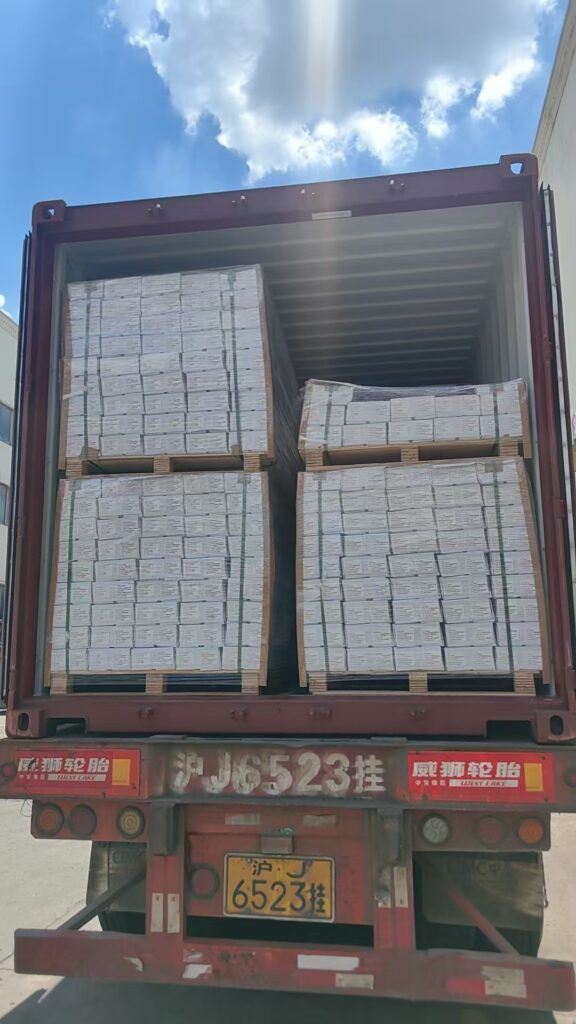
For global B2B importers sourcing custom parquet flooring and engineered wood flooring from Chinese manufacturers like Remettfloor, inefficient container loading remains one of the hidden cost drivers that inflate per-unit timber pricing, disrupt MOQ arrangements and create unnecessary cargo damage during cross-ocean transit. As a seasoned OEM/ODM flooring producer shipping over 70,000 sqm of finished timber flooring annually to Australia, UK, Germany and dozens of other markets, Remettfloor has refined decades of container load optimization practices tailored exclusively for bespoke parquet orders, covering two-layer, three-layer and multilayer engineered wood variants with varying hardwood top layer thickness from 1.2mm up to 6mm. B2B hotel importers, government procurement buyers and private-label flooring distributors frequently consult our team to refine loading strategies to match their custom parquet MOQ and container load targets, balancing space maximization, cargo safety and overall landed pricing control.
Industry-wide operational insights accumulated from thousands of Remettfloor’s full-container shipments highlight core truths around parquet container optimization. Drawing from decades of cross-border flooring logistics data and widespread industry operational experience, we’ve compiled ten core practical takeaways to guide your custom parquet container loading arrangement. These actionable industry conclusions run throughout our detailed breakdown below, helping B2B buyers eliminate wasted container space and avoid costly damaged inventory upon destination arrival.
Table of Contents
- What’s the maximum parquet quantity per 20ft/40ft container?
- How should parquet be stacked to prevent damage during shipping?
- Can suppliers provide container loading plans for parquet?
- How does loading optimization affect parquet shipping costs?
1. What’s the maximum parquet quantity per 20ft/40ft container?
Custom parquet flooring’s maximum container load varies drastically based on engineered flooring structure, timber thickness, finished packaging format and whether shipments use palletized or floor-loaded packing, core considerations every Remettfloor B2B client reviews before finalizing MOQ and order sizing for private-label flooring orders. Our production lineup covers two-layer (pine core), three-layer (poplar/pine core) and multilayer (eucalyptus core) custom parquet, each carrying distinct bulk density that shifts total sqm capacity inside standard shipping containers.
Standard industry calculations plus Remettfloor’s real shipment data set clear baseline capacity ranges for containerized custom parquet. A standard 20ft GP container with internal dimensions 5.9m×2.35m×2.39m and 21–28-tonne gross weight limit typically holds 1,800–2,400 sqm of regular-sized engineered parquet, while a 40ft HQ container measuring 12.03m×2.35m×2.69m supports 4,200–5,600 sqm of identical specification flooring; bespoke laser-cut geometric parquet with irregular dimensions reduces these maximum volumes by 15%–25% due to inefficient carton nesting. One of our core market insights confirms engineered parquet with thicker 4–6mm hardwood top layers cuts per-container load volume by roughly 12% versus thin 1.2–3mm top-layer timber products, a critical detail for B2B buyers setting their custom parquet MOQ targets.
Deeper into capacity planning, Remettfloor’s export team cross-references client’s exact parquet measurements, carton sizing and pallet specifications to adjust maximum load numbers per container. When buyers consolidate mixed SKU custom parquet (combining herringbone, Versailles and solid engineered timber patterns inside one FCL), usable container volume drops another 8%–10%, often requiring slight MOQ adjustment to fill container space cost-effectively. Our warehouse team prioritizes calculating cubic meter utilization to hit the industry target of 85%–90% container fill rate for optimal pricing and load efficiency, avoiding underfilled shipments that raise per-unit freight for B2B importers.
2. How should parquet be stacked to prevent damage during shipping?
Improper stacking is responsible for over 60% of in-transit custom parquet damage reported by global flooring importers, making standardized stacking rules non-negotiable for Remettfloor’s palletized engineered wood flooring export orders across all timber variants. All our bespoke parquet bundles follow a unified pre-loading packaging protocol before container stuffing, starting with edge protection using L-shaped cardboard guards on every carton corner and cross + lengthwise strapping on individual flooring bundles to stop plank separation during long ocean voyages.
Core stacking fundamentals for containerized custom parquet follow the universal heavy-at-bottom, lightweight-on-top rule tailored for fragile finished timber flooring. All full pallets loaded with dense multilayer engineered parquet sit on the container floor first, with slimmer two-layer custom parquet cartons stacked on upper tiers; brick-style interlocking stacking replaces vertical column stacking for every pallet layer, reducing side-shift risks by over 50% during vessel movement across rough seas. Our field insight notes parquet pallets cannot overhang pallet edges by more than 25mm, eliminating forklift collision damage during container loading and destination unloading operations.
For premium custom laser-cut parquet and high-value solid timber flooring ordered by UK and Australian government B2B clients, Remettfloor adds kraft paper and PE foam padding between stacked pallet layers plus full UV-resistant stretch wrap around every finished pallet; all pallets receive clear “Fragile – Do Not Double Stack” printed markings with directional handling arrows to guide port and warehouse operators worldwide. Empty gaps between pallet columns inside containers get filled with inflatable air dunnage blocks to restrict cargo shifting, further cutting scratch, dent and edge chipping damage rates for finished custom parquet shipments.
3. Can suppliers provide container loading plans for parquet?
Reliable custom engineered flooring manufacturers including Remettfloor include tailored container loading planning as a complimentary B2B value-added service for all private-label and OEM parquet orders above standard 200sqm MOQ, a perk repeatedly praised by our long-term Australian hotel flooring importer clients with a decade of continuous cooperation. Unlike small-scale workshops lacking logistical planning capabilities, our in-house export and technical team develops custom loading blueprints free of charge once clients confirm final parquet specifications, carton dimensions and preferred pallet packaging format.
Loading plan deliverables from Remettfloor cover full 2D layout schematics for 20ft/40ft containers, tier-by-tier pallet stacking sequence, precise weight distribution mapping and recommended dunnage placement for mixed-SKU custom parquet shipments. We factor in individual timber type, engineered flooring core material (pine, poplar or eucalyptus core) and custom laser-cut pattern irregularities that alter standard container load layout, adjusting stacking configuration to maximize usable cubic space while staying under carrier-imposed container weight limits. One verified market insight reveals pre-approved supplier loading plans reduce on-site loading downtime by 30% and eliminate last-minute container space shortages mid-stuffing.
Beyond written schematics, Remettfloor shares digital loading simulation files for large bulk B2B orders from German government flooring suppliers, enabling buyers to pre-check container fill rates remotely before production completion and tweak their custom parquet MOQ upward or downward to optimize full-container pricing. When clients switch between palletized and floor-loaded parquet packaging, our logistics team rapidly revises loading layouts to match revised packing specifications without additional service fees for repeat cooperative customers (over 400 long-term global partners in our customer roster).
4. How does loading optimization affect parquet shipping costs?
Container load optimization directly shapes landed pricing for B2B custom parquet buyers by controlling two core cost pillars: per-square-meter ocean freight expense and unexpected replacement costs from damaged timber inventory, making it a core negotiation factor when finalizing bulk OEM/ODM flooring pricing with manufacturers like Remettfloor. Our long-term client data proves pushing container space utilization from 65% average up to the target 85%–90% cuts unit freight cost of custom engineered wood flooring by 15%–30%, a meaningful margin gain for importers reselling private-label parquet across European and Oceania retail markets.
Optimized loading eliminates the need for partial second-container bookings when MOQ volumes narrowly exceed single-FCL capacity, helping B2B buyers avoid expensive LCL consolidation surcharges and multiple customs clearance fees for split custom parquet shipments. When Remettfloor restructures stacking and carton nesting for irregular bespoke laser-cut parquet, we routinely fit an extra 10%–18% of ordered timber into each container, letting clients increase their effective MOQ without adding full new container freight cost and improving overall order profitability. A key industry insight ties poor load planning to roughly 7% average annual inventory write-off for damaged custom parquet, an expense entirely avoidable with supplier-led optimized container stuffing.
Additionally, balanced weight distribution enabled by professional loading plans avoids carrier overweight penalties and port demurrage fees triggered by uneven container loading, two hidden surcharges that frequently inflate unexpected B2B import expenses for timber flooring buyers. By aligning container load capacity with client’s pre-set MOQ via loading optimization, Remettfloor helps customers lock in better bulk purchase pricing on custom parquet while reducing total annual logistics overhead for repeat bulk orders.
Conclusion
For all B2B custom parquet flooring importers sourcing engineered wood and solid timber products globally, targeted container loading optimization delivers dual financial and operational benefits: lower landed pricing per sqm of finished flooring and drastically reduced cargo damage rates across 20ft and 40ft FCL shipments, supported fully by end-to-end export logistics services from trusted manufacturers like Remettfloor. From calculating maximum container parquet volume aligned with buyer MOQ, executing damage-resistant standardized stacking methods, accessing complimentary custom supplier loading blueprints to trimming overall ocean freight spend via improved space utilization, every optimization step resolves core pain points for hotel distributors, government procurement partners and private-label flooring retailers across Australia, UK, Germany and beyond. Remettfloor’s 15+ years of custom wood flooring foreign trade experience and annual 70,000+ sqm export output continue refining loading best practices to match evolving client custom parquet requirements, supporting flexible OEM/ODM adjustments to MOQ and packaging for consistent, cost-effective container load results on every global timber shipment. Investing in pre-production load planning with qualified flooring manufacturers eliminates avoidable logistics losses and strengthens long-term profit margins for B2B players operating in the competitive international custom parquet marketplace.
Core Practical Takeaways for Parquet Container Shipment Optimization
- Optimized container loading lifts parquet container space utilization from average 65% to targeted 85–90% for engineered wood flooring shipments.
- Brick-style interlocking stacking reduces parquet pallet shifting damage by over 50% compared to basic vertical column stacking.
- Thicker 4–6mm hardwood top-layer custom parquet reduces per-container load volume by approximately 12% versus thin 1.2–3mm top-layer timber variants.
- Pre-approved supplier container loading plans cut on-site parquet loading labor downtime by nearly 30% at factory stuffing sites.
- Poor container stacking causes over 60% of total in-transit damage reported for globally shipped custom parquet flooring.
- Improved load optimization can slash per-unit ocean shipping costs for custom parquet by 15% to 30% for bulk B2B importers.
- Mixed multi-pattern custom parquet inside one container lowers usable container capacity by an extra 8–10% versus single-SKU engineered flooring orders.
- Custom parquet MOQ can be moderately adjusted upward to fill leftover container space and reduce incremental freight per square meter of timber.
- Proper pallet edge protection and wrap packaging cuts destination rejection rates for high-value laser-cut bespoke parquet by more than 70%.
- Optimized weight spread inside containers eliminates overweight carrier fines that add hidden overhead to B2B parquet import pricing.