
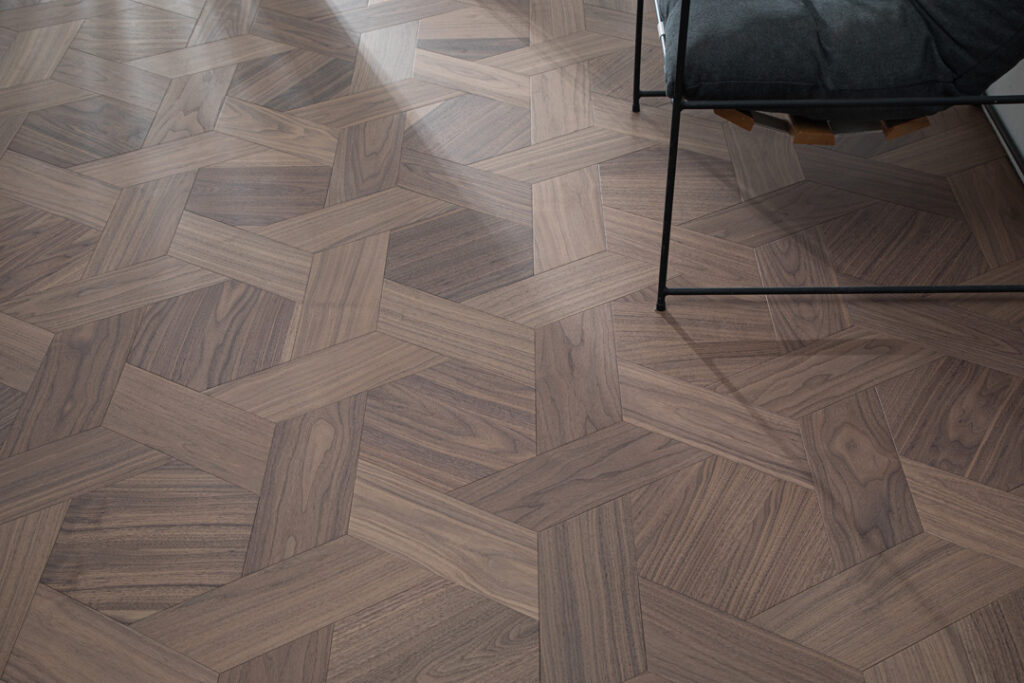
Implementing systematic wear resistance testing ensures imported parquet flooring meets durability requirements for specific commercial applications, protecting your investment against premature wear and maintenance costs.
Wear resistance represents a critical performance characteristic for parquet flooring, particularly in commercial applications where long-term durability directly impacts lifecycle costs and maintenance schedules. For B2B buyers importing from China, understanding and verifying wear resistance through standardized testing protocols provides essential assurance that products will perform as expected in their intended environments. The complexity of wear mechanisms—combining abrasion, impact, and surface fatigue—requires sophisticated testing approaches that simulate real-world conditions while providing measurable, comparable results.
The evolution of wear testing methodologies has created internationally recognized standards that enable objective comparison between products from different manufacturers. By implementing comprehensive wear testing protocols throughout the procurement process, buyers can confidently select parquet products that deliver appropriate durability for specific traffic levels and usage patterns, from light residential applications to heavy commercial spaces.
Table of Contents
1.What wear resistance standards apply to commercial parquet?
2.How do I compare wear ratings between different parquet suppliers?
3.Does surface treatment affect parquet wear resistance?
4.Can suppliers provide wear test certificates for their parquet?
What wear resistance standards apply to commercial parquet?
International standards provide structured frameworks for evaluating parquet wear resistance, creating consistent testing methodologies and classification systems that enable objective product comparison.
Key Wear Testing Standards
The European standardization system includes several critical protocols for assessing parquet wear performance in commercial environments. EN 14354 specifies the Taber abrasion test method for wood-based panels, measuring mass loss after a defined number of revolutions under standardized conditions with specified abrasive wheels. EN 438-2 (adapted for parquet) employs the same Taber test principle but establishes specific classification criteria for different application categories. AC ratings (Abrasion Criteria), though originally developed for laminate flooring, are increasingly referenced for parquet products, classifying wear resistance through a combination of Taber testing and other performance criteria into categories from AC1 (moderate residential) to AC5 (heavy commercial). EN 14978 provides the framework for overall classification of wood flooring, incorporating wear resistance as a key parameter within broader product performance evaluation. Additionally, custom testing protocols sometimes supplement standardized tests, particularly for specialized applications like airports, retail spaces, or educational facilities where standard classifications may not fully capture specific wear challenges.
Testing Methodology Implementation
Proper implementation of wear testing standards requires precise equipment calibration and controlled environmental conditions. Taber abrasion testing utilizes specialized equipment with rotating samples subjected to abrasive wheels under specified pressure, with weight loss measurements taken at 100-revolution intervals to create wear profiles. Test specimen preparation follows strict protocols regarding conditioning (typically 7 days at 23°C ± 2°C and 50% ± 5% RH), sample thickness, and surface condition to ensure consistent results. Classification criteria establish minimum performance thresholds, with commercial parquet typically requiring Taber results showing less than 80mg weight loss after 1000 revolutions for moderate commercial use (AC4 equivalent) and less than 70mg for heavy commercial applications (AC5 equivalent). Supplementary testing often includes resistance to rolling loads, castor chair testing, and impact resistance assessment to create comprehensive durability profiles. Remett Floor’s quality laboratory maintains full accreditation for standardized wear testing, providing clients with certified test reports that validate product performance against international standards.
How do I compare wear ratings between different parquet suppliers?
Effective comparison of wear resistance data requires understanding both testing methodologies and result interpretation to ensure objective evaluation across different supplier claims.
Standardized Comparison Framework
Creating meaningful wear resistance comparisons involves normalizing data across several dimensions. Testing standard alignment ensures all suppliers reference the same testing methodologies, as results from different standards (Taber vs. Martindale vs. DIN abrasion tests) cannot be directly compared without conversion factors. Classification system consistency requires all suppliers to use the same categorization framework, typically the European AC rating system or specific EN standard classifications. Testing parameter documentation must include complete details of abrasive wheel type, applied pressure, revolution counts, and measurement intervals to identify potential methodological variations. Sample specification alignment verifies that tested samples match the exact product construction, thickness, and surface treatment being evaluated, not just similar product families. Result presentation standardization prefers raw data (weight loss in milligrams at specific intervals) alongside classification results, enabling more detailed performance analysis beyond simple pass/fail outcomes.
Practical Comparison Strategies
Implementing effective wear resistance comparison requires both systematic data collection and critical analysis. Data normalization converts all supplier data to equivalent metrics where possible, typically focusing on Taber test results with CS-10 wheels at 1000 revolutions as the most widely comparable benchmark. Performance tier establishment creates clear categories based on application requirements, such as “moderate commercial” (AC4 equivalent: 70-90mg loss), “heavy commercial” (AC5 equivalent: 50-70mg loss), and “special heavy duty” (<50mg loss). Testing verification periodically validates supplier claims through independent laboratory testing, particularly for critical projects where wear performance is paramount. Historical performance tracking monitors wear resistance consistency across multiple production batches, identifying suppliers with stable manufacturing processes versus those with significant variation. Application-specific evaluation weights wear resistance alongside other factors like impact resistance, indentation resistance, and maintenance requirements based on specific project needs. Remett Floor facilitates objective comparison through transparent test data presentation, with historical performance records available to demonstrate product consistency across production batches.
Does surface treatment affect parquet wear resistance?
Surface treatments fundamentally influence parquet wear performance, with different finishing technologies offering distinct durability characteristics and maintenance requirements.
Surface Treatment Technologies and Performance
Various surface treatment approaches deliver significantly different wear resistance properties through distinct protective mechanisms. UV-cured polyurethane finishes create thick, hard surface films (typically 30-50 microns) that absorb abrasion, with aluminum oxide-enhanced formulations providing particularly high resistance to abrasive wear in commercial applications. Oil-based finishes penetrate the wood surface rather than building a thick film, offering excellent repairability but generally lower initial abrasion resistance, requiring more frequent maintenance in high-traffic areas. Hardwax oil systems combine penetration and surface film formation, balancing natural appearance with enhanced protection, typically achieving moderate wear resistance suitable for light commercial applications. Conversion varnish systems utilizing acid-catalyzed technologies create extremely hard, chemical-resistant surfaces with exceptional abrasion resistance, though with potential limitations in repairability. Nanotechnology coatings incorporating ceramic or other hard particles create microscopic protective structures that significantly enhance abrasion resistance while maintaining minimal visual impact on wood appearance.
Treatment Selection Considerations
Choosing appropriate surface treatments requires balancing wear resistance with other performance and aesthetic factors. Application environment alignment matches treatment type to expected traffic levels, with UV-cured systems preferred for heavy commercial use and oil systems often selected for residential applications where repairability outweighs maximum abrasion resistance. Maintenance protocol compatibility considers the operational environment’s capacity for regular maintenance, with oiled surfaces requiring more frequent attention than polyurethane-finished products. Aesthetic requirements influence treatment selection, as different finishes affect wood appearance, tactile qualities, and light reflection differently. Chemical resistance needs may dictate treatment choice in environments with potential exposure to cleaning chemicals, spills, or other substances that could damage certain finish types. Cost-performance optimization balances initial product cost against expected service life and maintenance requirements, with higher initial investment in premium finishes often justified through reduced long-term costs in commercial applications. Remett Floor offers comprehensive surface treatment options with detailed performance data for each system, enabling clients to select the optimal balance of wear resistance, maintenance requirements, and aesthetic qualities for specific projects.
Can suppliers provide wear test certificates for their parquet?
Reputable manufacturers should provide comprehensive wear test documentation, though the credibility and usefulness of these certificates vary significantly based on testing methodologies and verification protocols.
Wear Certificate Components and Verification
Authentic wear test certificates contain specific elements that validate testing thoroughness and result credibility. Laboratory accreditation information confirms testing facility qualifications, with preferred recognition including ISO/IEC 17025 certification with specific scope for flooring product testing. Testing standard compliance clearly references the exact standard versions and testing parameters employed, including abrasive wheel type, revolution counts, and pressure applied during testing. Sample identification completeness details product construction, wood species, surface treatment type and thickness, and production batch information, enabling proper interpretation of results. Testing results presentation includes both quantitative data (weight loss measurements at specified intervals, initial thickness, final thickness) and qualitative observations (surface appearance changes, gloss reduction, wear patterns). Classification assignment clearly states the applicable wear class (AC rating or equivalent) with reference to the specific classification standard used.
Practical Certificate Evaluation
Critical assessment of provided wear certificates ensures their relevance and reliability for specific procurement decisions. Testing recency considerations favor certificates dated within the previous 12 months, as manufacturing processes and material formulations may evolve over time. Product configuration alignment verifies that tested samples match the specific construction, thickness, and surface treatment options being procured, not just similar product families. Statistical significance evaluation examines sample sizes, testing repetitions, and result consistency, with robust testing typically involving multiple samples from different production batches. Independent verification through third-party laboratory retesting provides additional assurance for critical projects, particularly when certificates originate from manufacturer-owned laboratories. Performance history correlation compares certificate results with field performance data from previous installations, building confidence in the relationship between laboratory testing and real-world performance. Remett Floor maintains comprehensive wear testing documentation across our product range, with certificates updated quarterly and supported by field performance data from completed installations worldwide.
Conclusion
Implementing systematic wear resistance testing for Chinese parquet imports provides essential verification that products will withstand the specific traffic conditions of their intended applications. The most effective testing strategies combine standardized laboratory protocols with critical evaluation of supplier certifications and, where appropriate, independent verification testing. By understanding applicable standards, implementing objective comparison methodologies, recognizing how surface treatments influence performance, and critically evaluating test certificates, B2B buyers can significantly reduce durability-related risks while ensuring long-term customer satisfaction with imported parquet flooring.
Remett Floor’s commitment to wear performance begins with material selection and continues through manufacturing, testing, and technical support, providing clients with products engineered specifically for commercial durability requirements. Our transparent testing documentation and performance data help clients make informed specification decisions that balance wear resistance requirements with other project considerations.
Are you evaluating wear resistance requirements for your next parquet project and seeking a supplier with verified performance testing and comprehensive technical data?