
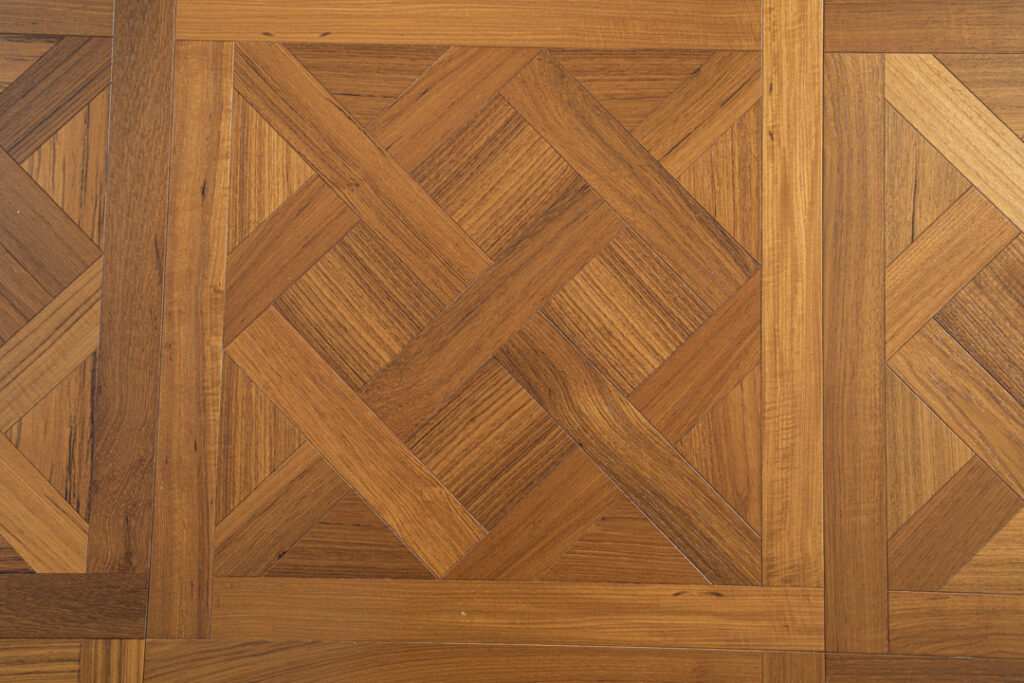
Negotiating with overseas suppliers requires a balanced approach that protects your interests while building a foundation for long-term cooperation. For B2B buyers sourcing custom parquet flooring from China, successful negotiation goes beyond price bargaining to encompass payment security, quality assurance, and contractual safeguards. At Remett Floor, we believe transparent and fair negotiations create the strongest partnerships, ensuring both parties achieve their business objectives.
The negotiation process with Chinese suppliers often involves cultural nuances and different business practices. Understanding these subtleties while maintaining clear communication about your requirements is key to reaching mutually beneficial agreements. Rather than treating negotiation as a zero-sum game, approach it as an opportunity to align expectations and establish working protocols that will serve both parties throughout your partnership.
This guide provides practical strategies for negotiating favorable terms with Chinese parquet suppliers, covering the key areas that impact your project’s success and risk management.
In this article, you will learn:
1.What payment terms are negotiable with parquet suppliers.
2.How to negotiate price reductions for large parquet orders.
3.Whether you can negotiate quality guarantees in parquet supply contracts.
4.How to balance price and quality in parquet negotiations.
What Payment Terms Are Negotiable with Parquet Suppliers?
Payment terms represent one of the most flexible areas in supplier negotiations. While new relationships often begin with conservative terms like 30% deposit with balance before shipment, established partnerships can progress to more favorable arrangements. Common negotiable terms include deposit percentages (often reducible to 20-30% for trusted clients), payment against shipping documents, or even staggered payments aligned with production milestones.
For larger orders or repeat business, suppliers may accept Letters of Credit (L/C) with longer validity periods or partial payments deferred until after delivery inspection. At Remett Floor, we work with clients to create payment structures that match their cash flow needs while protecting our production planning requirements. We’ve found that transparency about financial constraints often leads to creative solutions that benefit both parties.
The most successful negotiations occur when buyers demonstrate their reliability and long-term potential. Sharing business references, providing clear forecasting, or agreeing to longer contract periods can significantly increase your leverage when discussing payment terms. Remember that suppliers are more flexible with clients who present lower perceived risk and higher potential lifetime value.
How Do I Negotiate Price Reductions for Large Parquet Orders?
Volume remains the most powerful leverage in price negotiations. Suppliers typically offer tiered pricing based on order quantity, with price breaks available at established thresholds. When planning large orders, inquire about container-load pricing (FCL versus LCL), annual volume commitments, or blanket orders with scheduled releases. At Remett Floor, we provide transparent volume-based pricing that shows clients exactly how increased quantities reduce per-unit costs.
Beyond simple volume discounts, explore cost-saving opportunities through specification adjustments. Slight modifications to wood species, plank dimensions, or finish complexity can yield significant savings without compromising aesthetic appeal. We often work with clients to identify specification optimizations that maintain design intent while improving manufacturing efficiency.
Successful price negotiation requires understanding the supplier’s cost structure. Factors like raw material market trends, production complexity, and packaging requirements all impact pricing. Rather than simply demanding lower prices, approach negotiations with questions about how specific changes could reduce costs. This collaborative approach typically yields better results than adversarial bargaining.
Can I Negotiate Quality Guarantees in Parquet Supply Contracts?
Quality guarantees are not only negotiable but essential components of any professional parquet supply agreement. Beyond standard warranties, you can negotiate specific quality benchmarks, inspection rights, and remediation protocols. Key negotiable points include clearly defined acceptance criteria, third-party inspection rights at the factory, and procedures for handling non-conforming products. At Remett Floor, we incorporate detailed quality specifications into all our contracts, eliminating ambiguity about expectations.
For custom parquet projects, consider negotiating pre-production samples as binding quality references, with provisions for how deviations will be addressed. You can also establish graduated remedies for quality issues—from replacement of defective pieces to full order remanufacture for systemic problems. The most effective quality guarantees include clear timelines for remediation to prevent project delays.
To strengthen your position in quality negotiations, provide detailed technical specifications referencing international standards where applicable. Suppliers are more likely to agree to stringent quality terms when requirements are clearly defined upfront rather than being introduced after problems occur. We recommend documenting all quality agreements in both the contract and accompanying technical appendices.
How Do I Balance Price and Quality in Parquet Negotiations?
The price-quality balance requires careful consideration of your project’s specific requirements and risk tolerance. Begin by identifying which quality aspects are non-negotiable for your application and where flexibility might exist. For high-traffic commercial spaces, durability specifications may take priority over minor cost savings, while for temporary installations, economic considerations might outweigh premium features.
A practical approach involves creating a value matrix that weights different quality dimensions against their cost implications. This structured analysis helps identify where premium pricing delivers corresponding value and where it may not be justified. At Remett Floor, we help clients conduct this analysis by providing transparent information about how different specifications affect both performance and cost.
The most successful negotiators avoid treating price and quality as mutually exclusive. Instead, they explore how strategic investments in certain quality areas might reduce costs elsewhere—for example, how superior finishing might reduce installation time or how precise engineering might decrease waste. This holistic approach often reveals win-win scenarios that improve overall value rather than simply minimizing initial cost.
Conclusion
Effective negotiation with Chinese parquet suppliers requires preparation, cultural awareness, and a focus on creating mutually beneficial terms. By understanding which elements are negotiable, employing volume strategically, securing strong quality guarantees, and balancing price with value, you can establish partnerships that deliver both immediate and long-term benefits.
At Remett Floor, we approach negotiations as collaborative problem-solving sessions where we work together to create agreements that support your project success and our sustainable business operations. Contact us today to discuss your specific requirements and experience how our transparent negotiation process leads to better partnerships and superior parquet solutions.