
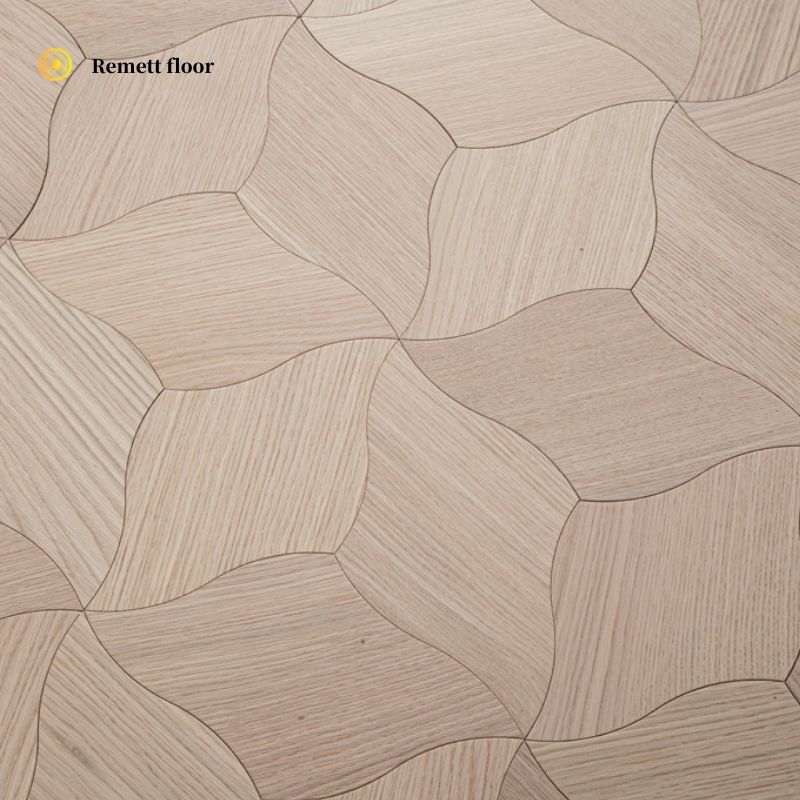
Maintaining precise flatness in parquet flooring is essential for seamless installation, long-term performance, and professional visual results in commercial and residential projects.
Parquet flatness represents a critical quality characteristic that directly impacts installation efficiency, joint integrity, and overall aesthetic appeal. For B2B buyers importing from China, implementing systematic flatness verification ensures that products meet the precise manufacturing standards required for trouble-free installation and customer satisfaction. The complexity of maintaining flatness across large-format wood flooring requires specialized manufacturing expertise and rigorous quality control processes throughout production, from raw material selection to final packaging.
The commercial implications of poor flatness can be significant, ranging from installation challenges and increased labor costs to customer dissatisfaction and potential call-backs. By establishing clear flatness standards, implementing effective measurement protocols, and understanding the manufacturing processes that ensure consistency, buyers can confidently source parquet that delivers both visual perfection and reliable performance.
Table of Contents
1.What flatness standards apply to custom parquet flooring?
2.How do I measure parquet flatness in sample inspections?
3.Can suppliers provide flatness guarantees for parquet shipments?
4.How does flatness affect parquet installation and appearance?
What flatness standards apply to custom parquet flooring?
International standards establish specific flatness requirements for parquet flooring, providing objective benchmarks for manufacturing consistency and product performance.
Standardized Flatness Parameters
The European standardization system includes precise specifications for parquet flatness tolerances and measurement methodologies. EN 13226 establishes flatness requirements for solid wood parquet, specifying maximum deviation of 0.5mm per 1000mm length when measured with a straightedge. EN 13489 addresses multilayer parquet elements, defining flatness tolerances with maximum crown or cup of 0.5mm over 2000mm length. Industry best practices often exceed these minimum standards, with premium manufacturers typically maintaining flatness within 0.3mm per 1000mm. Edge straightness requirements typically allow maximum deviation of 0.3mm per 1000mm to ensure proper joint alignment during installation. Surface regularity specifications require absence of visible warping, twisting, or cupping that could affect installation or appearance.
Measurement and Verification Framework
Proper implementation of flatness standards requires specific measurement methodologies and equipment. Straightedge measurement utilizes precision ground straightedges of specified lengths (typically 1000mm and 2000mm) to detect deviations through gap measurement with feeler gauges. Digital measurement systems employ laser scanning or optical flatness testers that capture complete surface profiles for statistical analysis. Sample selection protocols follow statistical principles with representative sampling from across production batches. Environmental conditioning ensures measurements occur after samples reach equilibrium moisture content in standardized conditions. Documentation requirements include complete measurement data, environmental conditions, and photographic evidence of testing procedures. Remett Floor’s quality laboratory maintains specialized flatness measurement equipment and follows standardized protocols to ensure consistent compliance with international flatness standards.
How do I measure parquet flatness in sample inspections?
Practical flatness assessment employs both standardized measurement techniques and field-appropriate methods that provide reliable quality verification.
Standardized Measurement Protocols
Comprehensive flatness evaluation requires proper equipment and controlled measurement conditions. Straightedge and feeler gauge method follows EN standards using precision straightedges placed across the surface with maximum gap measured using calibrated feeler gauges. Multiple measurement directions assess flatness along length, across width, and diagonally to detect any twisting or complex deformation. Measurement location selection follows standardized patterns across the sample surface to ensure representative assessment. Digital level systems provide electronic measurement with accuracy to 0.1mm, generating detailed flatness maps and statistical data. Reference surface verification ensures measurement equipment is properly calibrated and reference surfaces meet required flatness specifications.
Practical Inspection Approaches
Field-appropriate flatness assessment methods provide valuable verification when laboratory equipment is not available. Visual inspection techniques examine samples against backlighting to detect visible gaps or irregularities that indicate flatness issues. Installation simulation assembles multiple samples in typical installation patterns to observe how flatness affects joint alignment and surface regularity. Comparative assessment evaluates samples against known references or previously approved products. Edge alignment examination checks how plank edges align when placed face-to-face, indicating potential twisting or edge curvature. Substrate contact testing verifies how completely samples contact a known flat surface, identifying high spots or rocking points. Remett Floor provides clients with comprehensive flatness test reports while also supporting practical field verification methods that confirm laboratory findings through accessible assessment techniques.
Can suppliers provide flatness guarantees for parquet shipments?
Formal flatness guarantees provide valuable assurance of product quality while demonstrating manufacturer confidence in their processes and quality control systems.
Guarantee Structure Components
Comprehensive flatness guarantees contain specific elements that define coverage and responsibilities. Tolerance specifications clearly state maximum allowable deviations, typically referencing international standards with possible enhancements for premium products. Measurement methodology definition specifies the exact equipment, procedures, and conditions for flatness assessment to prevent disputes. Remediation procedures outline steps for addressing non-conforming products, including replacement, sorting, or financial compensation. Timeline requirements establish deadlines for claim notification, investigation, and resolution to prevent project delays. Documentation requirements specify evidence needed to support claims, including measurement data, photographic evidence, and installation records.
Practical Guarantee Implementation
Effective flatness guarantee management requires understanding both protections and practical considerations. Pre-shipment verification confirms that products meet guarantee specifications before they leave the manufacturing facility. Sampling protocol alignment ensures inspection methods match those specified in the guarantee terms. Claim procedure familiarity establishes clear understanding of required documentation and communication channels for potential claims. Supplier capability assessment evaluates the manufacturer’s technical capacity and financial stability to honor guarantee commitments. Preventive approach recognition acknowledges that proper manufacturing process control provides better protection than relying solely on guarantee claims. Remett Floor stands behind our products with industry-leading flatness guarantees that reflect our confidence in our manufacturing processes and quality control systems.
How does flatness affect parquet installation and appearance?
Flatness quality directly impacts both the installation process and the final aesthetic result, with implications for labor efficiency, material performance, and customer satisfaction.
Installation Impact Analysis
Various flatness issues create distinct challenges during the installation process. Joint alignment problems from edge curvature or twisting prevent proper tongue-and-groove engagement, requiring additional fitting time or potentially damaging joint systems. Substrate contact issues create rocking or unstable planks that compromise adhesive transfer or create noise in floating installations. Pattern alignment challenges from inconsistent flatness across planks create visible irregularities in geometric or patterned installations. Adhesive distribution problems occur when uneven planks prevent consistent adhesive coverage, potentially leading to adhesion failure or hollow spots. Installation speed reduction results from the additional time required to address flatness issues, typically increasing labor costs by 15-30% in severe cases.
Aesthetic and Performance Consequences
Flatness quality continues to impact the installed flooring long after installation completion. Visual reflection patterns are disrupted by surface irregularities, particularly noticeable in large, open spaces with abundant natural or artificial lighting. Joint line telegraphing occurs when subtle flatness variations create visible patterns at joint lines, diminishing the professional appearance. Wear pattern irregularities develop as uneven surfaces experience inconsistent contact and wear. Cleaning challenges arise when surface irregularities trap dirt or complicate cleaning equipment operation. Long-term performance risks include joint failure, edge chipping, or progressive deformation that may not manifest until after project completion. Remett Floor’s precision manufacturing processes minimize these risks through comprehensive flatness control and verification, ensuring our parquet delivers both installation efficiency and long-term aesthetic excellence.
Conclusion
Ensuring superior flatness in Chinese parquet requires a comprehensive approach that spans from manufacturing process capabilities through systematic quality verification and clear communication of requirements. The most successful flatness management strategies combine technical understanding of wood behavior, implementation of appropriate measurement methodologies, and establishment of clear standards through representative samples and guarantees. By addressing flatness systematically throughout the procurement process, B2B buyers can significantly reduce installation challenges while ensuring the long-term performance and aesthetic excellence of their flooring investments.
Remett Floor’s commitment to flatness excellence begins with advanced manufacturing technology and continues through rigorous process controls and comprehensive quality verification. Our technical expertise in wood behavior and precision manufacturing ensures that clients receive parquet with flatness characteristics that facilitate efficient installation and deliver lasting customer satisfaction.
Are you evaluating flatness requirements for your next parquet project and seeking a supplier with precision manufacturing capabilities and systematic flatness assurance processes?