
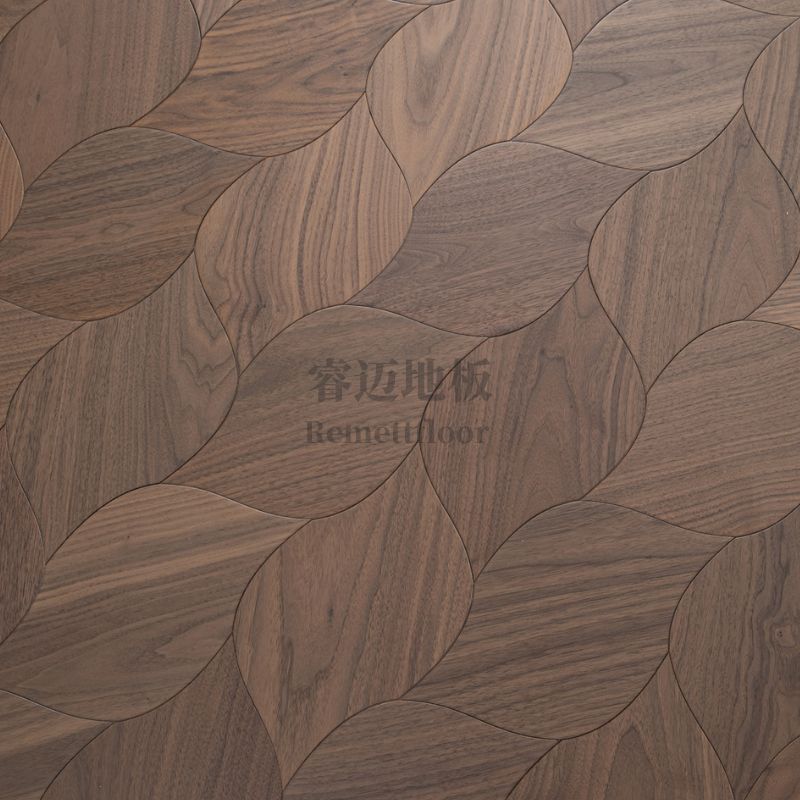
Maintaining precise edge quality in parquet flooring is essential for seamless installation, long-term performance, and aesthetic consistency in commercial and residential projects.
Edge quality represents a critical yet often overlooked aspect of parquet flooring that directly impacts installation efficiency, joint integrity, and overall visual appeal. For B2B buyers importing from China, implementing systematic edge quality verification ensures that products meet the precise manufacturing standards required for trouble-free installation and long-term customer satisfaction. The complexity of edge machining—combining precise geometry, smooth surface finish, and structural integrity—requires specialized manufacturing expertise and rigorous quality control processes throughout production.
The commercial implications of poor edge quality can be significant, ranging from installation delays and increased labor costs to premature failure of the installed flooring. By establishing clear edge quality standards, implementing effective inspection protocols, and understanding the manufacturing processes that ensure consistency, buyers can confidently source parquet that delivers both aesthetic perfection and reliable performance.
Table of Contents
1.What edge tolerance standards apply to custom parquet?
2.How do edge quality issues affect parquet installation?
3.Can I request edge quality samples before full parquet production?
4.What manufacturing processes ensure consistent parquet edges?
What edge tolerance standards apply to custom parquet?
International standards provide specific tolerance requirements for parquet edge quality, creating objective benchmarks for manufacturing consistency and product performance.
Edge Quality Standard Framework
The European standardization system includes precise specifications for parquet edge tolerances and quality parameters. EN 13226 establishes dimensional tolerance requirements for solid wood parquet, specifying maximum edge deviation of 0.3mm per 100mm of length and squareness tolerance of 0.2mm per 100mm of width. EN 13489 addresses multilayer parquet elements, defining edge straightness requirements with maximum deviation of 0.5mm over 2000mm length. Tongue and groove specifications in both standards require precise machining with groove widths typically maintained within ±0.1mm tolerance and tongue thickness within ±0.05mm for proper fit. Squareness requirements typically allow maximum deviation of 0.5mm over 1000mm length to ensure proper pattern alignment during installation. Surface finish parameters for machined edges typically specify maximum roughness of 3.2μm to prevent splintering and ensure smooth joint formation.
Measurement and Verification Protocols
Proper implementation of edge quality standards requires specific measurement methodologies and equipment. Straightedge measurement utilizes precision ground straightedges with known flatness to detect edge deviations through gap measurement with feeler gauges. Coordinate measuring systems employ digital equipment capable of capturing complete edge profiles for statistical analysis and tolerance verification. Microscope inspection at 10x magnification examines edge surface quality for tearing, burning, or other machining imperfections that could affect performance. Fit testing verifies tongue and groove compatibility using calibrated measurement pins and go/no-go gauges that confirm proper clearances. Sample size determination follows statistical principles with typically 10-20 pieces sampled from each production batch for comprehensive edge quality assessment. Remett Floor’s quality laboratory maintains specialized edge measurement equipment and follows standardized protocols to ensure consistent compliance with international edge quality standards.
How do edge quality issues affect parquet installation?
Edge quality problems create significant challenges during installation that can compromise both the installation process and long-term performance of the finished floor.
Installation Impact Scenarios
Various edge quality issues manifest differently during installation, each creating distinct challenges for installers. Poor tongue and groove fit results in difficult assembly, requiring excessive force that can damage edges or create alignment problems across the installation. Out-of-square edges cause pattern misalignment that becomes increasingly pronounced across large areas, requiring frequent adjustments and potentially creating visible installation defects. Rough machined surfaces create friction during assembly and can generate wood dust that interferes with proper joint formation and adhesive performance. Inconsistent edge profiles between different production batches create visible transitions and installation challenges when lots must be mixed during large projects. Edge chipping and tearing not only affects appearance but creates points for moisture ingress and potential failure initiation in the joint system.
Commercial Consequences
The practical implications of edge quality issues extend beyond immediate installation challenges to broader commercial impacts. Labor cost increases from extended installation time typically add 15-30% to installation costs when installers must address edge quality problems during placement. Material waste elevation occurs when damaged pieces must be discarded or when trimming is required to achieve acceptable fit, typically increasing material requirements by 5-15%. Project schedule impacts from installation delays can cascade through subsequent trades, particularly critical in commercial projects with tight construction schedules. Aesthetic compromise results from visible gaps, misalignments, or pattern inconsistencies that diminish the professional appearance of the finished installation. Long-term performance risks include joint failure, edge lifting, and moisture damage that may not manifest until after project completion. Remett Floor’s precision edge machining processes minimize these risks through tight tolerance control and comprehensive quality verification before shipment.
Can I request edge quality samples before full parquet production?
Edge quality samples provide essential verification of manufacturing capabilities and establish clear expectations before committing to full production.
Sample Types and Applications
Different sample formats serve specific purposes in the edge quality evaluation process. Production representative samples taken from actual production runs using standard tooling and processes provide the most accurate representation of edge quality. Tooling qualification samples demonstrate edge profiles and machining quality from specific cutting tools, particularly important for custom edge details or specialized joint systems. Batch consistency samples collected across multiple production runs demonstrate the manufacturer’s ability to maintain edge quality consistency over time. Installation simulation samples consisting of multiple pieces with interlocking edges show how the edge quality performs in actual installation conditions. Accelerated wear samples that have undergone simulated installation and removal cycles demonstrate edge durability and resistance to damage during installation.
Effective Sample Evaluation
Structured sample assessment protocols maximize the value of pre-production edge quality verification. Measurement verification confirms that samples meet specified tolerance requirements using appropriate measurement equipment and methodologies. Fit testing assembles multiple samples to verify proper engagement without excessive force or visible gaps at joint lines. Visual inspection under standardized lighting conditions examines edge surfaces for machining defects, tear-out, or other imperfections. Comparative analysis evaluates samples against previously approved references or competitive products to establish relative quality positioning. Documentation requirements include complete sample identification, production dates, tooling specifications, and measurement data for future reference. Remett Floor provides comprehensive edge quality samples as part of our pre-production approval process, with detailed documentation that establishes clear benchmarks for full production quality.
What manufacturing processes ensure consistent parquet edges?
Precision manufacturing processes and strict quality controls are essential for achieving and maintaining consistent edge quality in parquet production.
Advanced Machining Technologies
Sophisticated manufacturing equipment and processes enable the precision required for high-quality parquet edges. CNC machining centers with rigid structures and high-precision spindles maintain tight tolerances through automated operation and minimal vibration. Tooling management systems monitor cutting tool condition and automatically compensate for wear to maintain consistent edge quality throughout production runs. Laser measurement systems integrated with machining equipment provide real-time feedback for automatic adjustment of machining parameters. Multi-stage machining processes separate roughing and finishing operations to optimize both production efficiency and edge quality. Vibration damping technologies in machinery foundations and workholding systems minimize chatter that can cause edge surface imperfections.
Quality Assurance Integration
Comprehensive quality systems ensure consistent edge quality throughout production. Statistical process control monitors edge dimension data in real-time, identifying trends toward tolerance limits before non-conforming product is produced. Tooling maintenance protocols establish precise schedules for tool inspection, sharpening, and replacement based on actual production data rather than fixed time intervals. First-piece verification requires thorough inspection of initial production from each machine setup before full production authorization. In-process inspection conducts periodic checks during production runs to detect tool wear or machine drift before quality is compromised. Preventive maintenance schedules ensure machining equipment maintains original precision through regular calibration and component replacement. Remett Floor invests in advanced machining technology and comprehensive quality systems that consistently produce parquet with edge quality exceeding industry standards, supported by detailed process documentation and quality records.
Conclusion
Ensuring superior edge quality in Chinese parquet requires a comprehensive approach that spans from manufacturing process capabilities through systematic quality verification and clear communication of requirements. The most successful edge quality management strategies combine technical understanding of machining processes, implementation of appropriate inspection methodologies, and establishment of clear standards through representative samples. By addressing edge quality systematically throughout the procurement process, B2B buyers can significantly reduce installation challenges while ensuring the long-term performance and aesthetic excellence of their flooring investments.
Remett Floor’s commitment to edge quality excellence begins with advanced manufacturing technology and continues through rigorous process controls and comprehensive quality verification. Our technical expertise in precision wood machining ensures that clients receive parquet with edge quality that facilitates efficient installation and delivers lasting customer satisfaction.
Are you evaluating edge quality requirements for your next parquet project and seeking a supplier with precision manufacturing capabilities and systematic quality assurance processes?