
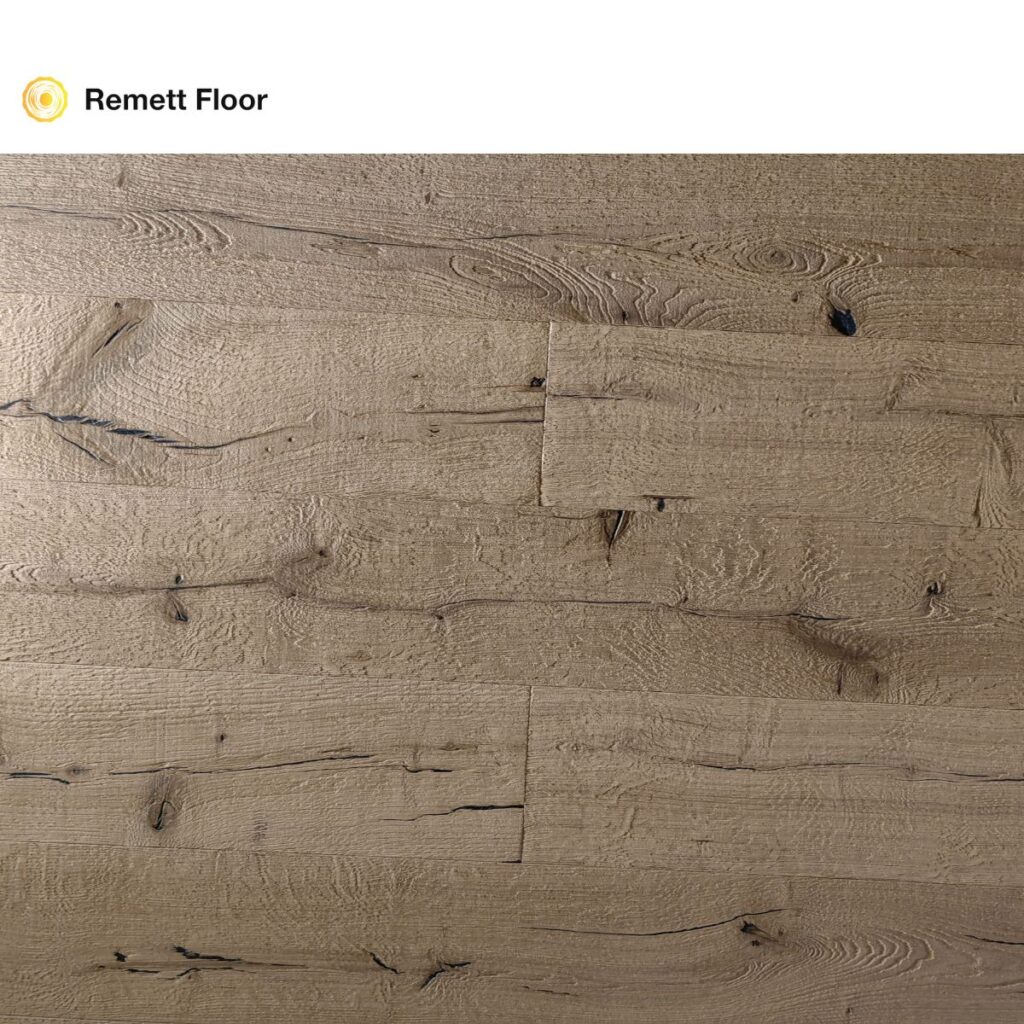
Advanced manufacturing capabilities enable Chinese suppliers to create stunning parquet flooring combining multiple wood species, offering unparalleled design flexibility and aesthetic possibilities for distinctive commercial and residential projects.
Mixed wood species parquet represents the pinnacle of custom flooring manufacturing, combining technical expertise with artistic vision to create truly unique flooring solutions. For B2B buyers, understanding the possibilities and limitations of mixed species production enables specification of distinctive flooring that makes powerful design statements while meeting practical performance requirements. The complexity of working with multiple wood species requires sophisticated manufacturing processes that address differing physical characteristics, movement properties, and finishing responses across species combinations.
Chinese manufacturers have developed specialized capabilities for mixed species parquet production, leveraging advanced CNC technology and wood engineering expertise to overcome the technical challenges of combining different wood types. By understanding available combination options, technical considerations, and implementation strategies, buyers can effectively leverage mixed species designs to create flooring that delivers both visual impact and reliable performance.
Table of Contents
1.What mixed species combinations work best for parquet flooring?
2.How do mixed species affect parquet stability and appearance?
3.Is there extra cost for mixed species custom parquet?
4.Can suppliers provide mixed species parquet samples?
What mixed species combinations work best for parquet flooring?
Strategic species selection forms the foundation of successful mixed species parquet, balancing aesthetic harmony with technical compatibility and performance requirements.
Proven Combination Strategies
Experience has identified several reliable combination approaches that deliver both visual appeal and technical performance. Complementary hardness pairing combines species with similar Janka hardness ratings (within 200-300 points) to ensure consistent wear patterns and dent resistance across the floor surface. Contrasting color strategies create visual drama by pairing light and dark species like maple and walnut or oak and wenge, requiring careful attention to finishing compatibility. Grain pattern harmonization balances dramatic grain species like ash or hickory with more subdued species like cherry or maple to create visual interest without overwhelming complexity. Regional aesthetic approaches combine species traditional to specific design styles, such as European oak with walnut for classic European interiors or teak with rosewood for Asian-inspired spaces. Performance-based combinations prioritize technical characteristics, pairing dimensionally stable species with more reactive ones to enhance overall floor stability.
Technical Compatibility Considerations
Successful species combinations require addressing several technical factors beyond pure aesthetics. Movement coefficient alignment selects species with similar seasonal movement characteristics to prevent stress development at species boundaries within patterns. Pore structure compatibility ensures consistent finishing results by matching open-pored species with each other and closed-pored species together. Machining characteristic similarity considers how different species respond to cutting, sanding, and profiling operations to maintain consistent manufacturing quality. Adhesive compatibility verification ensures bonding systems work effectively with all species in the combination, particularly important for oily species like teak or exotic woods. Environmental response coordination selects species that will age and react to light exposure in complementary ways over time. Remett Floor’s species combination expertise helps clients select optimal pairings based on both aesthetic goals and technical requirements, ensuring successful long-term performance.
How do mixed species affect parquet stability and appearance?
Combining multiple wood species introduces unique considerations for both dimensional stability and visual evolution over time.
Stability Implications
The varied physical characteristics of different wood species create specific stability challenges in mixed species parquet. Differential movement management addresses how species with different movement coefficients expand and contract at varying rates with humidity changes, potentially creating stress at species junctions. Seasonal gap variation may occur between species with different movement characteristics, requiring careful engineering of joint systems and pattern design. Substrate compatibility becomes more complex as different species may respond differently to the same underlying support system and adhesive. Installation environment requirements often need tighter control for mixed species installations to minimize differential movement between species. Engineering solutions like balanced multi-ply constructions can help mitigate stability challenges by providing dimensional stability independent of face species characteristics.
Appearance Evolution Considerations
Mixed species parquet undergoes complex visual changes over time that must be anticipated during design. Color shift differentials mean that different species will change color at varying rates and in different directions when exposed to light, potentially altering the intended design balance. Finish wear variations may occur as different species show wear patterns differently based on hardness, grain structure, and color. Maintenance response differences can create varying appearances over time if cleaning products or methods affect species differently. Repair complexity increases with mixed species installations, as damage repair must match both species and pattern accurately. Aging coordination considers how the overall design will mature over years of service, ensuring the initial design intent continues throughout the product lifecycle. Remett Floor’s mixed species engineering addresses these challenges through careful species selection, pattern optimization, and finish system specification that ensures harmonious long-term performance and appearance.
Is there extra cost for mixed species custom parquet?
Mixed species parquet typically commands significant cost premiums compared to single-species products, reflecting increased material, manufacturing, and complexity factors.
Cost Structure Analysis
The pricing differential for mixed species parquet reflects multiple technical and operational factors. Material cost premiums result from needing to inventory multiple species, lower yield efficiency when cutting multiple species for specific patterns, and higher-grade requirements for visible elements. Manufacturing complexity impacts include additional setup time for species changes, more intricate production sequencing, and increased machine adjustment between different machining characteristics. Labor intensity increases significantly for hand-assembled mixed species patterns, sorting and matching operations, and more extensive quality control requirements. Tooling and setup requirements often involve specialized cutter profiles and more frequent tool changes to maintain precision across different wood densities and characteristics. Waste factor increases result from more selective cutting, pattern matching requirements, and the need to maintain color and grain consistency across multiple species.
Value-Based Pricing Considerations
The cost premium for mixed species parquet should be evaluated against the unique value it delivers in specific applications. Design exclusivity value often justifies the additional cost in showcase areas and premium projects where unique aesthetics command value recognition. Brand differentiation benefits support premium pricing strategies by offering distinctive design features not available in standard product lines. Project value enhancement through dramatic design statements can elevate perceived quality throughout a space, potentially reducing needs for other costly decorative elements. Technical expertise demonstration showcases manufacturing capabilities that justify premium positioning in competitive markets. Long-term value preservation through timeless design appeal can extend product lifecycle and maintain relevance through design trend changes. Remett Floor maintains transparent pricing models for mixed species projects with clear cost breakdowns that help clients evaluate return on investment for their specific design vision and budget parameters.
Can suppliers provide mixed species parquet samples?
Comprehensive mixed species samples are essential for evaluating design success, technical execution, and manufacturing capability before committing to full production.
Sample Types and Applications
Different sample formats serve specific purposes in the mixed species specification and approval process. Combination study samples present multiple species pairings in simple patterns to evaluate color relationships, grain interactions, and overall aesthetic harmony. Full pattern samples showcase complete design motifs at actual scale, demonstrating how the mixed species concept translates to the full pattern repetition. Engineering cross-sections reveal construction details, joint design, and layer composition that ensure technical performance of the mixed species assembly. Finish comparison samples show how different finish systems affect the color relationships and visual balance between species. Aging simulation samples that have undergone accelerated light exposure demonstrate how species will change relative to each other over time.
Effective Sample Evaluation
Maximizing the value of mixed species samples requires structured evaluation protocols and specific assessment criteria. Lighting condition assessment examines samples under various light sources and intensities to understand how species interactions change throughout daily cycles and different artificial lighting scenarios. Sight line evaluation views samples from both standing and seated perspectives to ensure the design works at normal viewing distances, not just close inspection. Pattern scale verification assesses how the mixed species design reads at room scale, particularly important for intricate patterns that may become visually busy in large applications. Technical performance testing subjects samples to simulated wear, cleaning, and environmental exposure to verify compatibility between species under use conditions. Stakeholder alignment ensures all decision-makers review samples using consistent evaluation criteria and understanding of project objectives. Remett Floor provides comprehensive mixed species sample kits that include combination studies, full pattern samples, and technical documentation, supported by expert guidance to ensure design success and technical feasibility.
Conclusion
Chinese manufacturers offer sophisticated mixed species parquet capabilities that enable B2B buyers to create truly distinctive flooring solutions with unparalleled design impact. The most successful mixed species implementations result from careful balancing of aesthetic vision with technical considerations, supported by comprehensive samples and clear specifications. By understanding combination strategies, stability implications, cost factors, and verification methodologies, buyers can effectively leverage mixed species designs to create flooring that delivers exceptional visual drama while maintaining practical performance.
Remett Floor’s expertise in mixed species parquet encompasses both technical precision and artistic sensitivity, ensuring clients receive products that successfully realize their design vision while providing reliable long-term performance. Our comprehensive approach to mixed species manufacturing addresses the full range of technical challenges while maintaining focus on aesthetic excellence and design integrity.
Are you considering mixed species parquet for your next project and seeking a supplier with comprehensive technical capabilities and artistic sensitivity?