
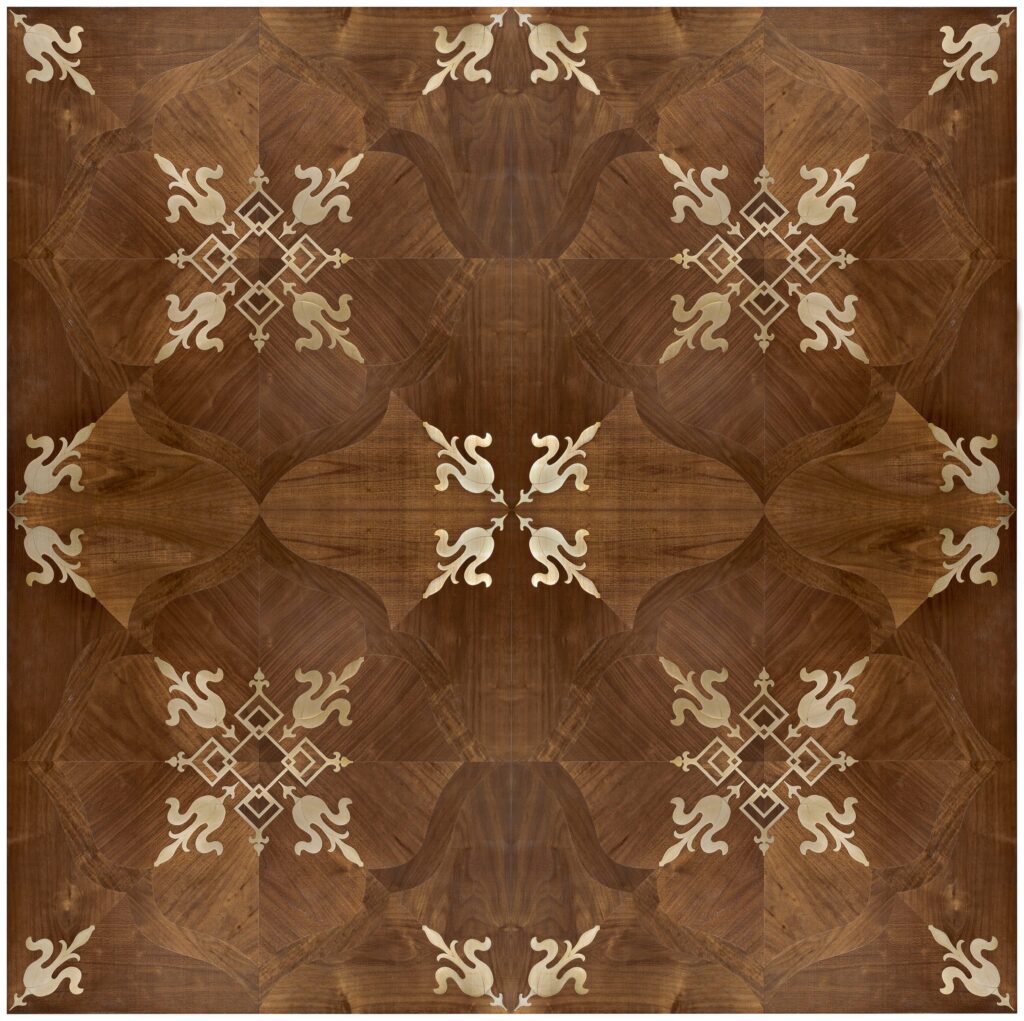
Importing custom parquet flooring from China offers B2B buyers like distributors, retailers, and project contractors access to high-quality, cost-effective products tailored to specific market needs—especially with trusted manufacturers like Remettfloor, a leading brand in China’s parquet flooring industry. However, navigating the documentation process is critical to avoiding delays, customs issues, and financial risks. Whether you’re a seasoned importer or new to sourcing from China, having a clear understanding of required documents ensures a smooth, compliant supply chain.
For B2B partners, proper documentation isn’t just a formality—it’s the foundation of a transparent and efficient import process. It verifies product quality, complies with international trade regulations, and facilitates seamless customs clearance in your target market. Remettfloor has supported hundreds of B2B clients worldwide with their custom parquet flooring imports, and our experience shows that thorough document preparation is the key to minimizing disruptions and building long-term business relationships.
From commercial contracts to compliance certificates, each document serves a unique purpose in protecting both buyers and sellers. Below, we break down the essential documentation requirements, common pitfalls to avoid, and how Remettfloor collaborates with B2B clients to streamline this process—so you can focus on growing your business with confidence.
Table of Contents
- What core commercial documents are required for importing custom parquet flooring?
- Which product compliance and certification documents are mandatory for B2B imports?
- What import licenses do I need for wood flooring to Europe?
- Can I get a template for commercial invoices from Chinese parquet suppliers?
- How should I prepare HS codes for custom engineered parquet flooring?
- How to prepare customs clearance documents for international shipping?
- What payment and financial documents are needed for B2B transactions?
- Are there special documents for custom-designed parquet flooring orders?
- Do Chinese suppliers provide pre-shipment documentation assistance for parquet?
- How to verify document authenticity and avoid common mistakes?
What core commercial documents are required for importing custom parquet flooring?
Every B2B import transaction starts with a set of core commercial documents that formalize the agreement between you and the manufacturer. These documents are essential for legal protection, payment processing, and customs verification, and Remettfloor ensures all clients receive standardized, accurate versions tailored to their specific order.
The cornerstone of any B2B import is the Commercial Invoice. This document details the transaction value, product description (including wood species, dimensions, finish, and quantity), terms of sale (Incoterms), and payment terms. For custom parquet flooring, it must align with your order specifications—Remettfloor’s commercial invoices include detailed customizations like wood grain patterns, surface treatments, and packaging requirements to avoid discrepancies.
Next is the Proforma Invoice, typically provided before finalizing the order. It outlines the estimated costs, delivery timeline, and order details, serving as a preliminary agreement for budget planning and import license applications. Remettfloor issues proforma invoices within 24 hours of custom order inquiries, helping B2B clients secure necessary approvals or financing.
The Sales Contract (or Purchase Agreement) is a legally binding document that defines the rights and obligations of both parties. It includes clauses for quality standards, delivery deadlines, inspection procedures, and dispute resolution—critical for custom orders where adherence to specifications is non-negotiable. Remettfloor’s sales contracts are drafted to comply with international trade laws (e.g., CISG) and include provisions for custom parquet flooring’s unique requirements, such as material sourcing and production tolerances.
Finally, the Packing List details how the custom parquet flooring is packaged (e.g., carton dimensions, weight, number of units per package) and helps customs officials verify the shipment’s contents. Remettfloor’s packing lists include batch numbers and product codes for easy inventory tracking, a key benefit for B2B clients managing large orders or multiple SKUs.
Which product compliance and certification documents are mandatory for B2B imports?
Custom parquet flooring, as a building material, is subject to strict compliance regulations in most countries—failure to provide the right certifications can result in shipment seizures or fines. B2B buyers must prioritize these documents to ensure market access, and Remettfloor maintains a comprehensive certification portfolio to meet global standards.
The Certificate of Origin (CO) is mandatory for customs clearance and may qualify your shipment for preferential tariffs under trade agreements (e.g., RCEP, EU-China Trade Agreement). Remettfloor provides COs issued by authorized Chinese chambers of commerce, verifying that the parquet flooring is manufactured in China—essential for B2B clients looking to reduce import costs.
For wood-based products, the FSC Certification (Forest Stewardship Council) is increasingly required by retailers, contractors, and government projects worldwide. It confirms that the wood used in your custom parquet flooring comes from responsibly managed forests. Remettfloor is FSC-certified, and we provide FSC Chain of Custody (CoC) certificates for all applicable orders, helping B2B clients meet sustainability goals and market demands.
Product safety and environmental compliance documents are non-negotiable. For the EU market, this includes the CE Marking with supporting documentation (e.g., Declaration of Performance, DoP) under the Construction Products Regulation (CPR). For the US, the CARB Phase 2 certification ensures low formaldehyde emissions, while Canada requires TSCA Title VI compliance. Remettfloor’s custom parquet flooring meets these standards, and we provide all necessary test reports (e.g., formaldehyde emission tests, wear resistance ratings) from accredited labs to support B2B clients’ market entry.
For specific markets, additional certifications may be required: Australia’s E0 Emission Certification, Japan’s JAS Certification, or Singapore’s Green Label. Remettfloor works with B2B clients to identify market-specific requirements early in the custom order process, ensuring timely certification acquisition without delays.
What import licenses do I need for wood flooring to Europe?
Europe’s strict regulatory framework for building materials means B2B importers of custom parquet flooring must secure specific licenses to avoid shipment rejection. The requirements vary slightly by EU member state, but core licenses are consistent across the bloc—Remettfloor helps clients navigate these requirements to ensure compliance.
First, the CE Marking is not a license but a mandatory conformity mark, and your custom parquet flooring must be accompanied by a Declaration of Performance (DoP) under the Construction Products Regulation (CPR). This document outlines the product’s performance characteristics (e.g., slip resistance, fire safety) and is required for all wood flooring sold in the EU. Remettfloor provides a fully compliant DoP for every custom order, pre-approved by EU-accredited bodies.
For wood-based products containing solid wood or wood derivatives, the Timber and Timber Products Regulation (TPR) requires an FSC Chain of Custody Certificate or equivalent (e.g., PEFC) to prove legal and sustainable sourcing. Remettfloor’s FSC certification covers all custom parquet flooring, and we provide the necessary documentation to demonstrate compliance with TPR’s due diligence requirements.
Some EU countries may require an Import Authorization for certain wood species protected under CITES (Convention on International Trade in Endangered Species). If your custom parquet flooring uses rare or protected wood, Remettfloor assists in obtaining the required CITES permits from Chinese authorities and verifies that your destination country accepts the documentation.
Additionally, VAT Registration (or a valid VAT number) is required for B2B imports into the EU. Remettfloor’s invoices include all necessary details to support VAT reclaim, and we can provide guidance on registering for VAT in your target EU country if you’re a new importer.
Can I get a template for commercial invoices from Chinese parquet suppliers?
Yes, reputable Chinese parquet suppliers like Remettfloor provide standardized, customizable commercial invoice templates tailored to B2B import needs—saving you time and ensuring compliance with international trade and customs requirements.
Remettfloor’s commercial invoice template is designed to meet the needs of global B2B clients, including all mandatory fields required by customs authorities worldwide. Key elements include detailed product descriptions for custom parquet flooring (wood species, dimensions, customizations, quantity), transaction value (broken down by unit price and total), Incoterms (e.g., FOB Shanghai, CIF Hamburg), payment terms, and contact details for both buyer and seller.
The template is fully editable, allowing you to add your company logo, tax ID, and any additional information required by your local customs or tax authorities. It also aligns with the data fields in Remettfloor’s sales contracts and packing lists, ensuring consistency across all your import documents.
To access the template, simply request it from Remettfloor’s B2B sales team during the order inquiry phase. We also offer a filled-out sample invoice based on your custom parquet flooring specifications, so you can see exactly how to complete the document and avoid common errors (e.g., mismatched product descriptions or incorrect value declarations).
The template is provided in both PDF and Excel formats for easy use, and Remettfloor’s team is available to review your completed invoice before submission to ensure it meets all customs requirements for your target market.
How should I prepare HS codes for custom engineered parquet flooring?
HS codes (Harmonized System Codes) are critical for custom engineered parquet flooring imports—they determine duty rates, customs classification, and compliance requirements, so accurate preparation is essential to avoid delays or overpayment.
Start by identifying the core HS code for custom engineered parquet flooring: 4418.30 (Wooden parquet flooring and other wooden flooring of assembled blocks, strips or tiles). This code applies to most custom engineered parquet, but you may need to adjust based on specific features.
For customizations that alter the product’s composition (e.g., multi-layered engineered parquet with a plywood core, or parquet with a vinyl top layer), verify the code with your customs broker or use the World Customs Organization’s (WCO) HS database. Remettfloor’s B2B team can also assist—we cross-reference your custom engineered parquet specifications (core material, surface finish, assembly method) with the latest HS revisions to confirm the correct code.
Include the HS code on all key documents: commercial invoice, packing list, bill of lading, and customs declaration. Ensure consistency across all documents—discrepancies in HS codes are a top cause of customs holds. Remettfloor’s documents automatically include the verified HS code for your custom order, eliminating this risk.
For B2B clients importing to multiple markets, note that some countries have national extensions to the HS code (e.g., EU Combined Nomenclature). Remettfloor can provide market-specific HS code variations to ensure compliance with your destination country’s customs requirements.
How to prepare customs clearance documents for international shipping?
Customs clearance is a critical stage of the import process, and incomplete or inaccurate documents are the leading cause of delays. B2B buyers need to coordinate with their manufacturer, freight forwarder, and customs broker to ensure all required documents are in order—Remettfloor simplifies this by providing shipping-ready documents aligned with global customs standards.
The Bill of Lading (B/L) is the most important shipping document, serving as a receipt for the goods and a contract between the shipper (Remettfloor) and the carrier. For sea freight, a Clean On Board (COB) B/L confirms that the custom parquet flooring was loaded without damage; for air freight, an Air Waybill (AWB) is used. Remettfloor ensures B/Ls include accurate container numbers, port of loading/unloading, and consignee details to avoid customs holds.
Customs declarations vary by country but typically require the commercial invoice, packing list, Certificate of Origin, and compliance certificates. Some countries (e.g., EU, US) require additional documents like an Import Declaration Form or HS Code Confirmation. Remettfloor uses the correct HS code for custom parquet flooring to ensure proper classification and duty calculation—critical for B2B clients to avoid overpayment or penalties.
For shipments exceeding certain value thresholds, an Import License may be required. Remettfloor provides supporting documents (e.g., proforma invoice, product specifications) to help B2B clients obtain licenses from their local authorities. Additionally, Insurance Certificates (if purchased) are needed to cover risks like damage or loss during transit—Remettfloor partners with reputable insurers to offer cargo insurance options for custom orders.
What payment and financial documents are needed for B2B transactions?
B2B transactions for custom parquet flooring involve significant financial investments, so secure and transparent payment documentation is essential. These documents protect both parties and ensure funds are transferred correctly, and Remettfloor offers flexible payment terms with clear documentation to build trust.
The Letter of Credit (L/C) is a popular payment method for B2B imports, especially for first-time collaborations or large custom orders. It’s a bank guarantee that payment will be made to Remettfloor once all specified documents are presented (e.g., commercial invoice, B/L, certification). Remettfloor works closely with clients’ banks to ensure L/C terms align with the sales contract, avoiding discrepancies that could delay payment.
For clients using Telegraphic Transfer (T/T), payment documents include Bank Transfer Receipts and Payment Confirmation Letters. Remettfloor provides detailed banking information (SWIFT code, account number) and confirms receipt of deposits (typically 30% for custom orders) and balance payments (before shipment) with official documents. This transparency is critical for B2B clients managing cash flow and tracking expenses.
In some cases, Commercial Drafts or Bill of Exchange may be used, especially for long-term B2B partnerships. These documents outline the payment amount and due date, and Remettfloor accepts them when supported by reputable banks. Additionally, Tax Invoices (where applicable) are provided for VAT/GST reclaim purposes, helping B2B clients reduce tax liabilities in their home countries.
Are there special documents for custom-designed parquet flooring orders?
Custom parquet flooring orders—whether for unique dimensions, patterns, finishes, or branding—require additional documentation to ensure production accuracy and legal compliance. B2B clients often overlook these specialized documents, but Remettfloor prioritizes them to deliver orders that meet exact specifications.
The Custom Design Specification Sheet is the most critical document for custom orders. It includes detailed drawings, material samples, color codes, surface treatment requirements, and any branding elements (e.g., logos, embossing). Remettfloor’s design team reviews and confirms this sheet with clients before production, ensuring no misunderstandings. This document is also used to verify that the finished product matches the agreed design during inspection.
If the custom design involves intellectual property (e.g., proprietary patterns, trademarks), a Copyright Authorization Letter may be required. This confirms that the client has the right to use the design, protecting Remettfloor and the client from infringement claims. Remettfloor can assist in drafting this letter or reviewing existing ones to ensure compliance.
For custom parquet flooring intended for commercial projects (e.g., hotels, offices), Project Approval Documents or Architectural Specifications may be needed to confirm that the product meets the project’s requirements. Remettfloor provides technical data sheets (TDS) and material safety data sheets (MSDS) tailored to custom orders, supporting B2B clients in securing project approvals.
Do Chinese suppliers provide pre-shipment documentation assistance for parquet?
Yes, reliable Chinese parquet suppliers like Remettfloor offer comprehensive pre-shipment documentation assistance to B2B clients— a critical service that ensures all import documents are complete, accurate, and compliant before the shipment departs.
Remettfloor’s pre-shipment documentation support starts with a thorough review of all required documents for your custom parquet flooring order. Our team cross-checks commercial invoices, packing lists, compliance certificates, HS codes, and shipping documents to ensure consistency and adherence to your destination country’s regulations.
We also assist in 补齐 missing documents (e.g., additional certification for specific markets, updated Certificate of Origin) and provide digital copies of all paperwork for your records and sharing with your customs broker or freight forwarder. For B2B clients new to importing from China, Remettfloor offers a step-by-step guide to reviewing and organizing documents, reducing the risk of oversights.
Before shipment, we provide a Pre-Shipment Documentation Checklist tailored to your order, listing all required documents and confirming their status. This checklist helps you track progress and ensures nothing is missed before your custom parquet flooring leaves our facility.
Remettfloor’s team is available to answer questions about document requirements up to the shipment date, and we coordinate with carriers to ensure shipping documents (e.g., Bill of Lading) are accurately prepared and transmitted.
How to verify document authenticity and avoid common mistakes?
Even with the right documents, errors or fraudulent paperwork can derail your import. B2B buyers must verify document authenticity and avoid common mistakes—Remettfloor supports this by adhering to strict document standards and providing guidance to clients.
To verify authenticity, check for official seals (e.g., chamber of commerce stamps on Certificates of Origin, lab logos on test reports) and cross-reference details with the sales contract. Remettfloor’s documents include unique reference numbers that can be verified through our website or customer service team. For certifications like FSC or CE, use the issuing body’s online database to confirm validity.
Common document mistakes include inconsistent product descriptions (e.g., mismatched dimensions on the invoice and packing list), incorrect Incoterms, outdated certifications, and typos in consignee details. Remettfloor’s quality control team reviews all documents before sending them to clients, but B2B buyers should also conduct a final check. Ensure that HS codes, container numbers, and payment terms align across all documents to avoid customs or payment issues.
Another key tip is to keep digital and physical copies of all documents organized—use cloud storage (e.g., Google Drive, Dropbox) to share files with your customs broker, freight forwarder, and internal teams. Remettfloor provides a secure client portal where all order-related documents are stored, making access easy for B2B clients.
Conclusion
Preparing the right documents for importing custom parquet flooring from China is a critical step for B2B success—one that requires attention to detail, knowledge of international regulations, and collaboration with a trusted manufacturer. By focusing on core commercial documents, compliance certifications, market-specific licenses, HS codes, and pre-shipment support, you can avoid delays, reduce risks, and ensure a seamless import process.
Remettfloor’s decades of experience in the B2B parquet flooring industry means we understand the unique documentation needs of global clients. From providing customizable commercial invoice templates to verifying HS codes and offering pre-shipment document reviews, we partner with you to simplify the import journey—so you can focus on delivering high-quality custom parquet flooring to your customers.
Whether you’re a distributor expanding your product line, a retailer offering custom solutions, or a contractor sourcing for commercial projects, Remettfloor’s commitment to transparency and compliance ensures your import process is smooth and successful. Contact our B2B team today to discuss your custom parquet flooring needs and learn more about how we support document preparation for global imports.
Would you like me to create a custom document checklist tailored to your target market (e.g., Europe, US, Southeast Asia) and custom parquet flooring specifications? It will include all mandatory documents, HS codes, and Remettfloor’s support details to streamline your import process.